
Different Types Of Fabric Names Used In The Textile Industry
We often consider the textile industry small and restricted to a confined market area. However, with the latest advancements in the market and new technologies, the industry has gained immense popularity in recent years. Nowadays, you will find clothes and other fabric-finished products being made from various fabrics. In earlier days, cotton was the main fabric preferred by almost 90% of buyers. Now, the same buyers will prefer several other favorites over cotton.
So, if you are new to the business or want to take your start-up to a new level, you must know at least the basics about the different fabrics used in the Indian textile industry.
The most common favorite type used in almost all businesses is cotton. Sourced directly from nature, that is, the cotton trees, the fabric is pure, breathable, and offers maximum comfort to the user. The number of thread count matters greatly when considering this fabric because it implicates both quality and feels. Cotton is sometimes blended with other fabrics like polyester or nylon to create a more durable and tougher fabric blend.
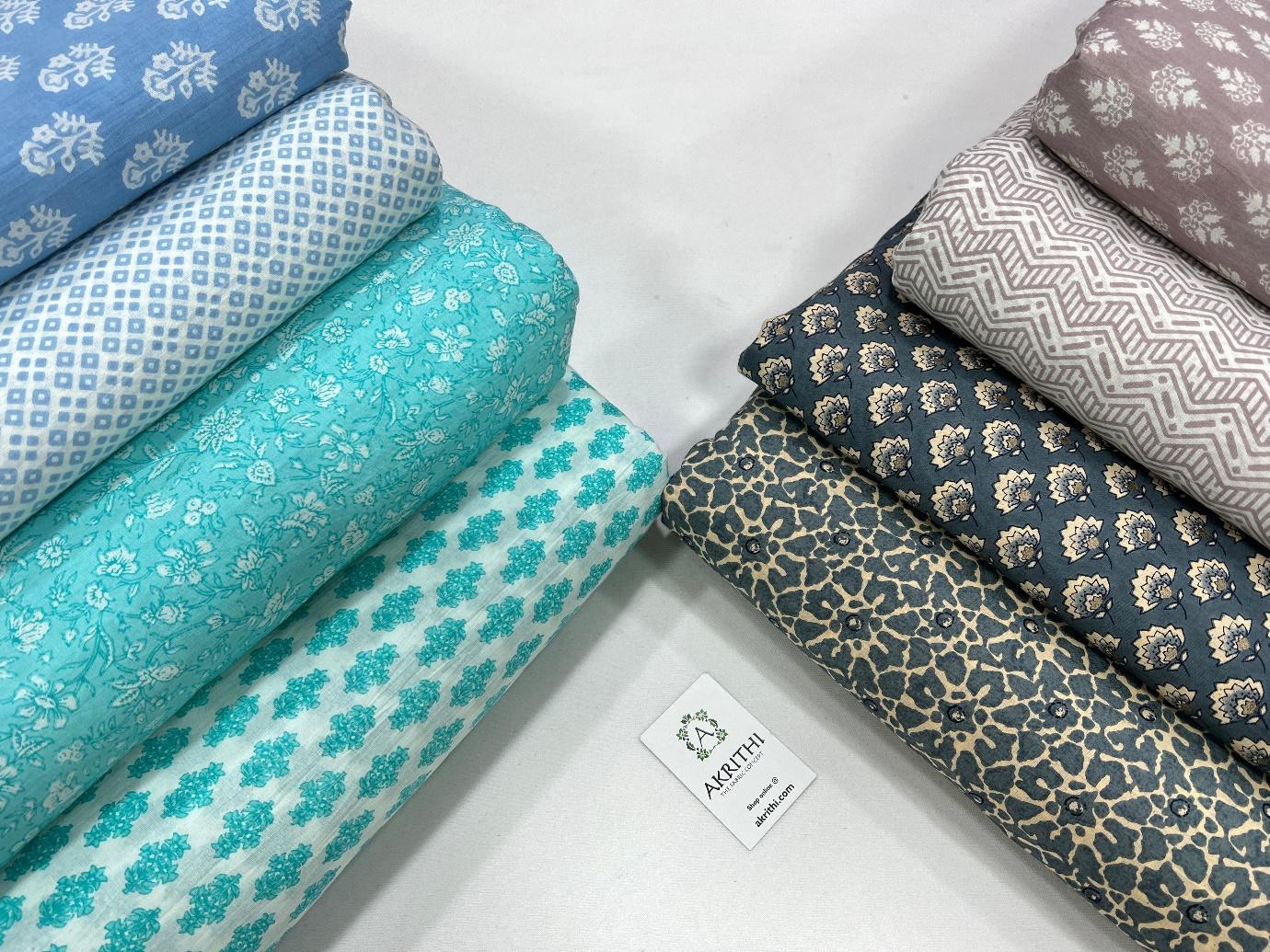
Considered to be one of the most comforting fabrics in the entire textile industry, rayon is soft and smooth against the skin. It is mainly used to make clothes for the spring and summer as the fabric does not stick to the skin, much like cotton. It is mainly used to make different types of apparel, from dresses to men’s shirts. Another type of pure rayon, also known as viscose rayon, is cheaper comparatively and has a slightly rougher texture.
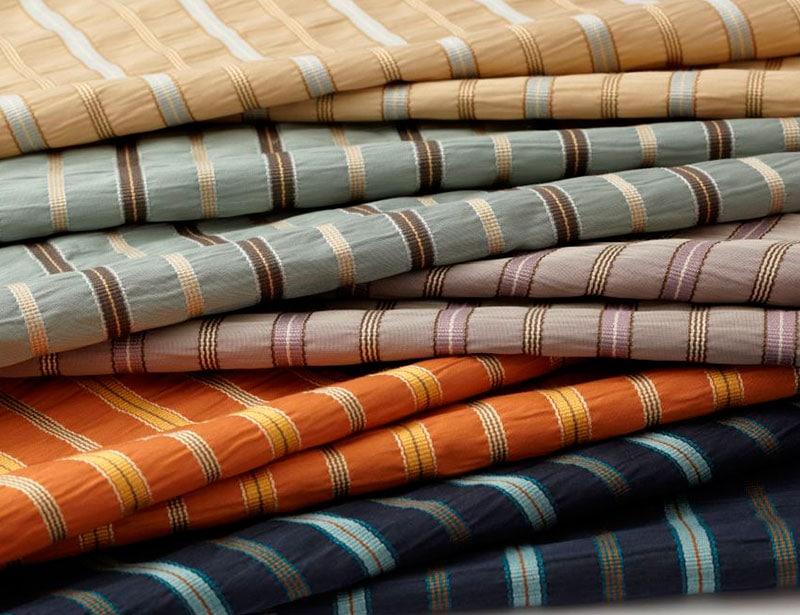
Known for its lightweight and cheapness, chiffon is also used to prepare different types of clothing units, including sales. It is a plain-woven fabric with small pocket holes that ad roughness to the overall texture. It is usually woven from other base fabrics like polyester, silk, cotton, and nylon.
Made by weaving tightly twisted fabric yarns, georgette is known for the unique crinkle that appears on its surface when you squeeze the fabric in your hand. It is also a lightweight fabric featuring a matte finish. Most georgettes are available in bright colors and small prints scattered throughout the surface. You will find two types of georgette, cotton, and silk, based on the base fabric used to manufacture this one.
Also considered one of the luxurious fabrics, silk is obtained from the cocoons of the silkworm. History says that the first silk was manufactured in China, and afterward, it became popular worldwide. Pure silk is one of the costliest favorites in the textile industry and is known for its smoothness and quality. You will also find artificial silk being used as it is cheaper and readily available.
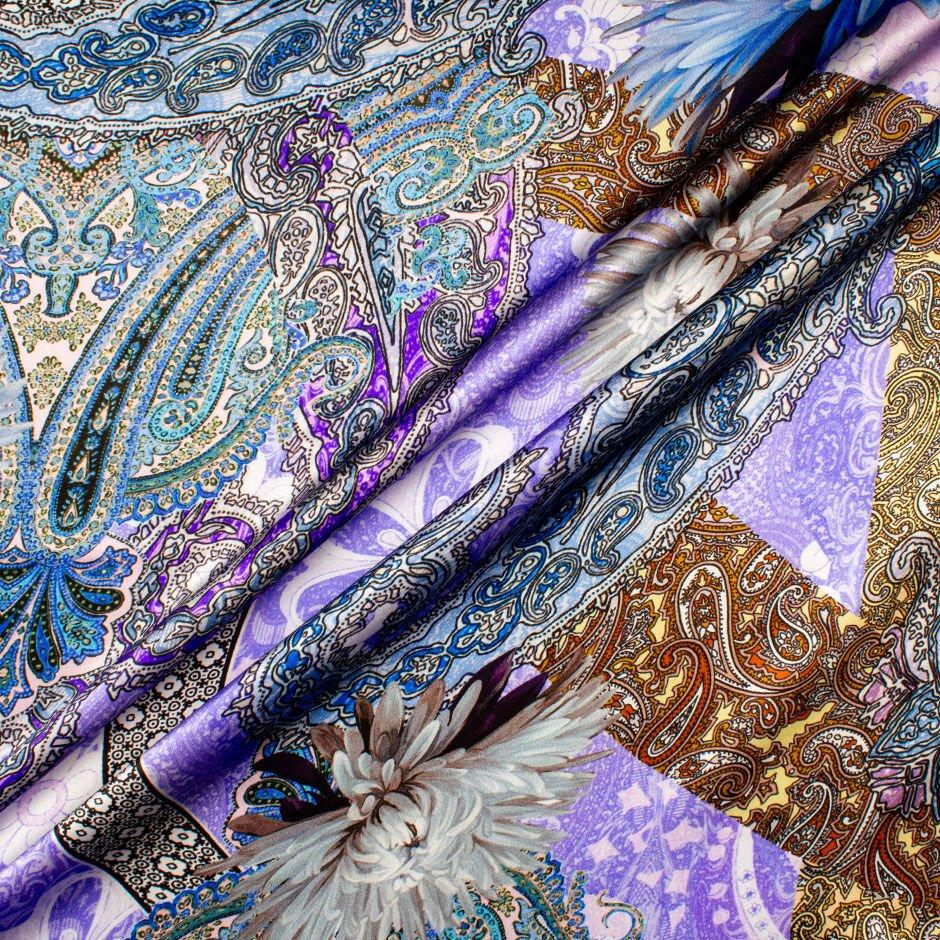
Denim is also one of the most popular fabrics used in the textile industry. It is prepared from cotton with a ripped diagonal pattern. This makes them so different from other synthetic fabrics obtained from cotton. It is available in multiple forms, like stretched denim, raw denim, indigo denim, and crushed denim. From jeans to shirts, it is used in manufacturing different clothing pieces in the textile industry.
Being a hand-woven fabric, khadi has gained popularity in recent years. It is mainly prepared from cotton, but you can also find silk and wool khadis in the market. It is famous for the unique ruggedness you can find in its texture, which allows people to wear it throughout the year. Different techniques are used to beautify the entire khadi fabric and transform it into a desirable clothing garment, from block prints to Kantha stitches.
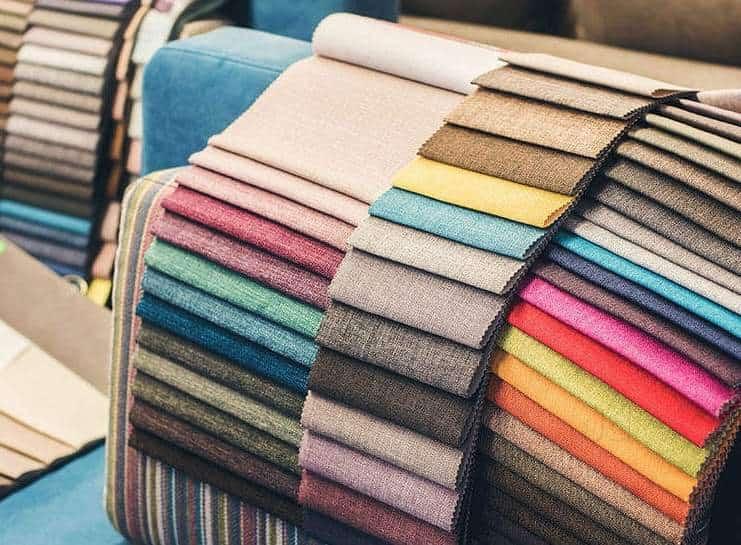
From this basic list of fabrics, you can understand that the textile industry has diversified in the last decade. Now, garments and other such items are prepared from all these different fabrics having multiple features and benefits.
Setting Up A Business With Only Custom Clothing Manufacturer
The chances of success as a startup in this expanding fashion industry are thin. To excel in this field, you have to think out of the box. This is where the concept of a custom clothing line comes into perspective. Not many fashion houses are there in the market that offer custom clothes. This is why perhaps the competition level is still under control. With the increase in demand for custom-designed apparel, you will get more popularity and sales than any other establishment strategy.
Keeping this in mind, we have discussed certain strategies to help you with the startup idea in a custom fashion.
The first thing you have to do to start your custom clothing business is to choose the niche you would like to focus on. It can be Indian ethnic, fusion wear, sportswear, western wear, etc. Your job is to identify which particular domain is more in demand and can return higher revenues. You also need to compare your budget, the designers, your skills, and your knowledge of that particular market to move forward. Without these clarifications, starting up a custom clothing line is not a strategic idea.
Now that you have selected your fashion domain, you need to work on your target audience. Not everyone requires custom cloth because the apparels are hard to find and they are very costly. For example, regular-sized people usually prefer to buy readymade clothes from shops and shopping malls. But if we consider the plus-size people, only a couple of brands make clothes for them. However, not everyone can afford their clothing because of the high price. So, the plus-size market will be a great option to start because the demand and opportunities are fewer are high.
It is very important to choose a manufacturer who is reputed in the market and experienced in making custom clothes. Although you might not find such manufacturing houses at once, a little homework and research work can help you find the best company with which you can collaborate and pitch your startup idea.
Last but not least, you need to plan a proper budget for your clothing startup. The budget plan must include your capital, manufacturing costs, marketing expenses, store upfront investment, etc. If you do not have the budget in hand, it will be extremely difficult for you to get started with the business.
With the expansion in the fashion industry, many new entrepreneurs are willing to invest in their startups and create a unique line of clothing. Although it sounds quite interesting and a profitable opportunity for the future, the competition is super high. To overcome the challenges, one needs to invest in a unique business idea that will set them apart from the competitors. For example, many new Indian brands are trying to incorporate fusion dresses that can meet the modern indo western fashion trends. So, plan your custom-designed house carefully and get started with the best manufacturer.
Kids Dress Manufacturing: Pros And Cons
In recent years, many new manufacturing brands have started their own kids’ lines of fashion. The clothes usually start from newborns and can range to toddlers or adolescents. Although venturing into kid’s fashion is not an easy decision, brands have made it quite successfully. So, if you want to start a new business in kids’ fashion or expand your existing fashion business to this particular domain, you will have a world of opportunities.
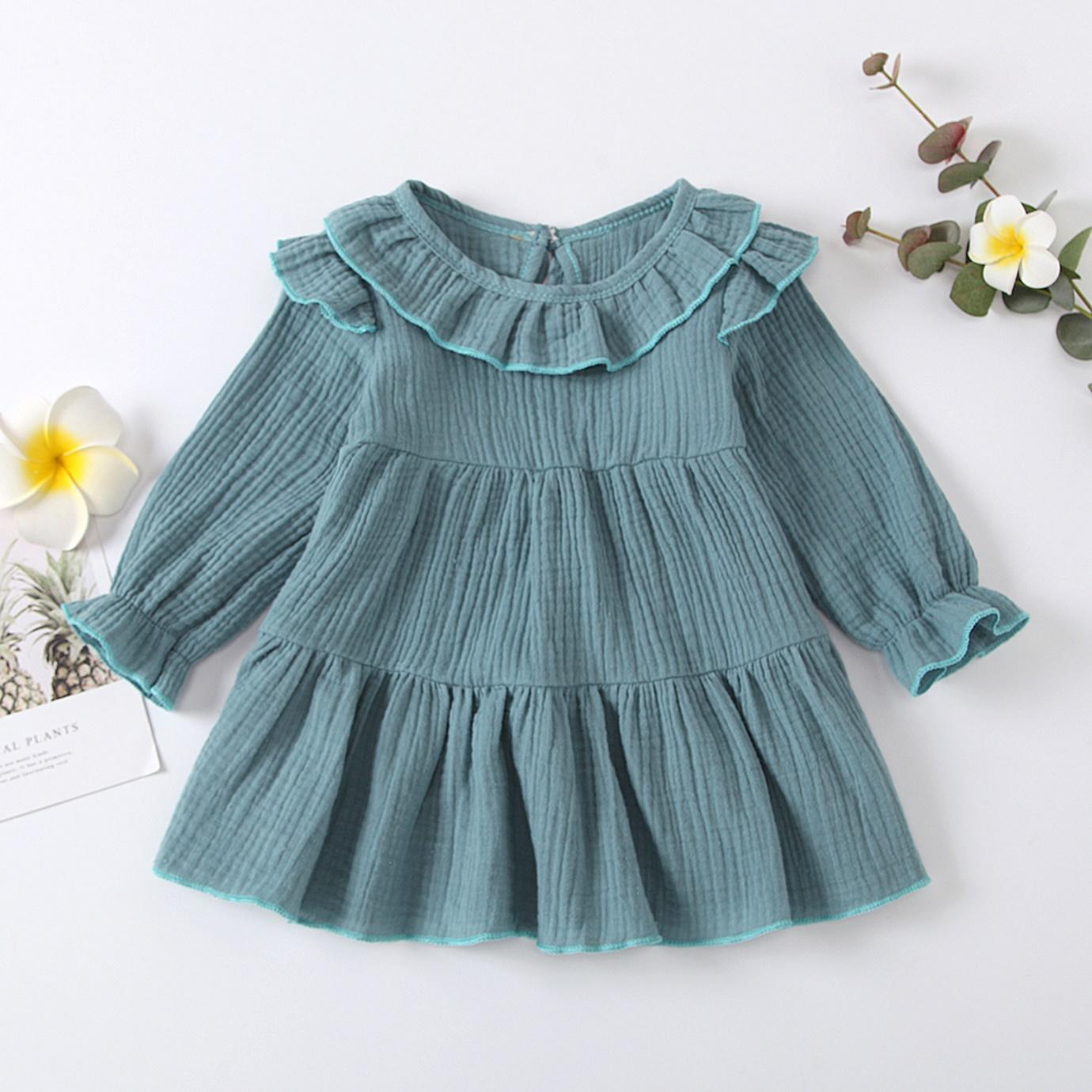
However, there are several pitfalls that you should know about concerning the kid’s fashion industry. Without knowing the advantages and disadvantages, starting a new venture is not at all a wise decision, especially when the market competition is so high. This is why we have prepared a complete guide to let you know how you can benefit from this fashion domain and the pitfalls you must be aware of.
Every startup idea has several benefits for which entrepreneurs can go to extra lengths to invest in their thoughts and start their own company. Therefore when you want to create a kid’s fashion manufacturing house, you will also get several chances to enjoy the perks. Some of them are described in the below section:
-
One of the main benefits is the flexibility of the market. Kids market is diverse because you can make clothes for newborns, infants, babies, toddlers, and adolescents. Therefore you can either focus on a particular subcategory of the kid’s fashion industry or start a mix and match style to cover the entire market.
-
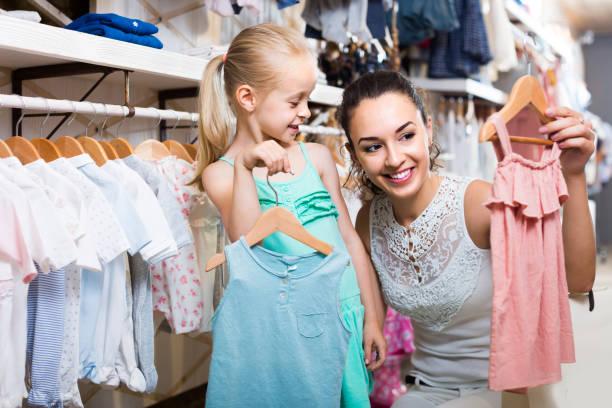
The kid’s fashion industry will allow you to show your creative skills and design knowledge. Every parent loves to dress up their kids, regardless of the purpose or gender. This thought process will give you enough leverage to present something unique and new in the market.
-
The total expense you have to bear to start a kid’s fashion manufacturing house is not as high as any other fashion domain. It can be due to the need for less fabric, the demand for more comfortable and sophisticated dresses than stylish and glamorous ones, or the standard market demands. This is one of the main benefits you will enjoy in this field.
-
Most kid’s dress manufacturing companies do not stick to only a particular form of fashion sense. Instead, they focus on several other adjacent or supplementary factors, making their investment fruitful.
We cannot ignore the disadvantages of kids manufacturing houses also. Some of them are:
-
The number of suppliers dealing with kid’s clothing is very less.
-
As parents always look out for the best for their kids, you like you’ll have to ensure premium quality in your products.
-
Benefits from kids manufacturing houses in terms of global exposure are not so high.
-
Migrating from kid’s fashion to adult fashion is a very difficult concept, thereby, you may feel left out in this huge fashion market.
Although there are several advantages you will enjoy once you start manufacturing kid’s dresses, you should be prepared for the downfalls also. Plan your business startup accordingly, and do not stick to just one particular subcategory or domain because that will limit your exposure in the market.
5 Simple Steps To Get You Started With Your Own Clothing Line
So you want to start your own clothing line. But, how do you get started? There are no definitive guides on how to get started in your business in today’s time. So, to help you get started, here are five simple steps that can help you get your business off the floor.
-
Ideation
Your idea and your unique selling proposition are absolutely crucial for your business to be successful. So, the first step before you get started with your clothing line is to ideate. You have to capture a niche and develop your products in that line, or you can try to solve the day-to-day problems of people with your products. Either way, ideation, niche selection, and proper business planning are some of the most crucial steps to starting your business. So, get your pen and paper out and start writing down your plans to make sure you always know the way.
-
Market Study
When you are planning on creating your clothing line, you need to do a thorough market study to ensure you are unique in your venture. You also need to ensure that the product you sell is not a knockoff from some other brand. These factors will help you make your business sustainable and respectable in the eyes of the customer. Plus, you will also get a good view of the demand for your product. So, your market analysis can definitely influence the business plans that you made earlier. The key is to be flexible and try to create a robust plan as much as possible.
-
Government Registration
Congratulations, you have done your planning. Now, you just need to register your business to get started. Based on your location, you need to fill out the appropriate registration guidelines of your government. If you are a sole entrepreneur, you can register your company under your own name. If you have partners in your venture, you may want to go for a Limited Liability Partnership (LLP) venture. Once you have acquired all the necessary documentation to start your business, it’s finally time to start making and selling clothes.
-
Design Design Design
Clothes are essentially very visual, so even if your USP is making comfort-oriented clothing, you still need to ensure your clothes look decently fashionable and are made from high-quality raw materials. These factors will help you get the attention of buyers once your product hits the shelves. Once you are happy with your designs, the next step is to pick the suitable fabric for your clothes. The material you choose needs to be durable, strong, and comfortable.
-
Get Your Supplier/Manufacturer
If you have done all the previous steps correctly, your products should have some demand, and when it hits the market, they should start selling, even if in small quantities. So, to make sure you can meet the demand for your products, you need someone (a manufacturer) that can mass-produce the items you designed and make them available for your customers. When choosing a supplier, make sure they have some prior experience with the type of product you are looking to manufacture, as it will ensure the best quality of your products.
Congratulations! Once you have your supplier, you can easily get started with your store regardless if you are an offline or online shop. You will receive your products from your supplier, which you can sell and slowly see your business grow. All the steps mentioned above can be done by yourself. But, you need an external supplier. So, when you are searching for one, please be sure to check out CheerSagar, which is one of the top clothing manufacturers in India.
Your Go-To Guide For Choosing The Right Garment Factory For New Collections
Selecting a suitable garment factory to produce your new clothing collection is always challenging, regardless if you’re an established clothing brand or looking to create your first fashion venture. However, there is no ‘the right clothing factory’ for any fashion brand out there. The ideal garment factory for your brand is the one that understands your requirements, the kind of quality and quantity you need, and your brand identity.
The product your brand creates becomes your brand identity before even you realise it. And you wouldn’t want a brand identity that strays away from your ideologies and ethical practices, right? So, how do you find the perfect clothing factory for your brand? Let’s find out.
Find Out About The Production Processes The Garment Factory Provides
Different production processes are used by clothing manufacturers that cater to a brand’s requirements. Now, if you want your design and idea to reflect in the final product and no other modifications, CMT (Cut, Make, & Trim) is the ideal production process for you. If you want to create a product with your clothing manufacturer by taking their inputs and coming up with a new design, then FPP (Full Package Production) is your perfect production process.
Your Clothing Manufacturer’s Experience & Expertise Matters
Discuss with the clothing manufacturer you’re considering to find out if they have worked on a similar project. If they have done it before, they can do it now. As simple as that. This is the simplest yet effective way to singling down your choice of garment manufacturer.
Check if Your Garment Factory Has The Same Ethical Practices As Yours
It goes without saying that brand ethics have become an essential part of building a brand today. People nowadays tend to choose brands that are more eco-conscious than others as a part of helping our environment, and you as a brand owner may also tilt towards contributing to the environment and the people living in it. Find out a clothing manufacturer that relates to your brand’s ethical practices, like check if their labour standards and how their fabrics are sourced. This way, you’ll be content with yourself and your brand and, additionally, up to your marketing game in the development stages.
Minimum Order Quantity (MOQ)
Every clothing manufacturer has a minimum amount of products they can produce, and you should be well-versed with your manufacturer’s MOQ before starting to work. If the manufacturer takes on orders higher than their usual capacity, it can reflect in the quality of the products. Hence, ensure that you get accurate data on the garment manufacturer’s MOQ.
Is Your Clothing Manufacturer Flexible?
As an established brand with quite a rank in the market, you’ll want to ensure that your manufacturer can modify and grow as per your needs. With time, the demand and responsibilities of a brand grow, and the brand has no choice but to keep up with expectations. However, it might not be essential for someone trying to start a clothing line as much as it’s more important for them to make a place for themselves in the market at first.
Get started looking for your clothing manufacturers; you’ll eventually find your perfect garment factory that caters to all your requirements by keeping in mind these simple tips. You can check out CheerSagar, a premium clothing manufacturer in India. Be it a new collection from an established brand or a brand wanting an FPP way of things, CheerSagar can help build brand identity with its quality products and ethics to help a brand owner reach his goal.
How To Find The Right Clothing Factory To Scale Your Brand With Improved Merchandise Quality?
Launching a brand is easy, but scaling it to make it a household name and consistently profitable isn’t. So, what’s the catch? Well, your brand’s identity relies very heavily on the quality of the products you offer your customer. So, in order to grow your brand, you need a clothing factory that can meet your requirements efficiently and at a reasonable cost. Well, how do you find your ideal clothing factory? There are various factors you need to consider before choosing the perfect clothing factory for your brand. Let’s explore the multiple factors involved.
-
Experience
When you are trying to grow your brand, you need a factory that understands your requirements and has some experience in producing similar items or items of comparable quality. As you are trying to grow your business, you must find vendors that can adequately meet your growing demand without sacrificing the quality of your products. So, experience is something you must consider before choosing the ideal clothing for your brand.
-
Ethical Production
Over the last decade, the horrifying truth about the working conditions of workers that make the merchandise for popular brands came to the forefront. The inhumane and unethical treatment of workers in various countries to meet the production requirements called for significant changes in the clothing industry. So, if you want your brand to have a clean and respectable brand image, you must make sure the clothing factory you choose treats its workers with respect and dignity while maintaining all the necessary workplace ethics.
-
Scalability
When you want to scale your brand, you might not have the financial prowess to set up multiple factories. So, initially, you need to choose a factory that can grow with your growing demands. Unless your factory is also as scalable as your demand, you will not be able to ultimately capitalize on your demand and grow to your fullest extent. So, make sure you check the scalability factor of your factory to ensure the best possible growth of your brand.
-
Specialization
When you get the right people to do your job, your work gets a lot easier. Similarly, finding a factory that specializes in garments you need makes your work much easier and theirs too. So, make sure you communicate with the factory properly to understand their expertise and specialization before choosing them. This will help you get better quality products consistent with the best and highest possibility for growth.
These are some of the factors that you must consider before choosing the clothing factory for your brand. If you consider all of the pointers mentioned in this article, you will absolutely find the ideal clothing factory for your brand that will help you scale your business. So, now that you are aware of the factors, you can also check out Cheer Sagar, which is one of the most renowned clothing factories in India. For more information, please visit their official website.
A Simple Guide To Working With Clothing Manufacturers
What does it take to make your own place in the fashion and apparel industry? Of course, fresh and unique designs and brand identity are a must; however, another important thing is the production process. Working with clothing and apparel manufacturers for bulk production can seem daunting at first due to so many factors and variables involved like the sample, quotation, budget, and any hidden costs.
However, with a few simple yet valuable tips on working with a clothing manufacturer, you can get started with your clothing brand with the best products, a reasonable budget, and especially within your expected timeline! Let’s take a look at those valuable points to get started in the fashion venture.
-
Find a Manufacturer According to Your Requirements
Ensure the manufacturer that you’ve chosen has had some experience previously. Your manufacturer doesn’t have to have produced a similar type of clothing in his past experiences. But do make sure that the manufacturer understands your vision of your product and brand properly.
Also, before choosing your manufacturer, decide if you want a CMT (Cut, Make, Trim) or an FPP (Full Production Package) producer. A CMT manufacturer has no control over the design and is the perfect choice for those who are certain and decisive about their designs. In comparison, an FPP manufacturer assists with the design, cuts, and patterns and helps you improve designs or want any suggestions to further perfect your design. However, keep in mind that an FPP manufacturer might cost you more than a CMT manufacturer.
-
Talk About All The Production Stages
A manufacturer has a comprehensive list of production stages that may or may not include certain areas or departments. So, it is always wise to have a discussion with your manufacturer as to what are all the services that they are providing. For example, a manufacturer may sample, produce your product in bulk, and add labels; however, they might not include packaging in their services, in which case you might need to outsource packaging to another producer or a garment company. Of course, there are certain manufacturing units that provide an all-comprehensive service, but it is always better to be aware of the services you’ll be receiving when you decide to work with a manufacturer.
-
Don’t Hold Back The Samples and Discuss The Timeline
For starting the overall production process, the manufacturer needs the samples to start working. So, once you get the sample from your manufacturer, give it back to them before they start the process. If you’ve got the samples from any other production company, then make sure you send the sample over to your manufacturer before they start the production process.
Along with keeping the samples with who needs them, talk to your manufacturer about the timeline. The timeline is basically how long will it take to process each of the steps in manufacturing your clothing products and constantly keep a check that they are able to meet your requirement. Count the time taken for any last-minute changes to ensure that you and the manufacturer both are not setting up any unrealistic expectations and get the due time to fix any error in the last minute before the timelines finish.
-
Get Acquainted With All The Production Cost Details
With all the production stages comes the production costing. While you discuss the production stages, as we have discussed before, it is important to discuss and get a breakdown of the charges. A manufacturer might include extra charges for packaging or labeling, or other services that you don’t require.
Getting started with your fashion and apparel business takes a lot of courage and effort. Before you jump into starting the manufacturing process, follow the tips mentioned for a smooth and planned production that takes care of your brand identity and serves the fruits of your efforts and determination just as you have planned in a discernible timeline.
Top Ten Fabrics For Sewing Women’s Cloth
If women’s clothing were made by only focussing on how it looks, women’s fashion wouldn’t be the same as it is today. Overall, the look and feel of a women’s outfit depend a lot on what it’s made from, and many of you girls out there might prefer some fabric over the other. However, be assured that there is not a single fabric that both feels and looks good. Based on your preference, below are given the top ten materials used for making women’s clothing in today’s time.
-
Rayon
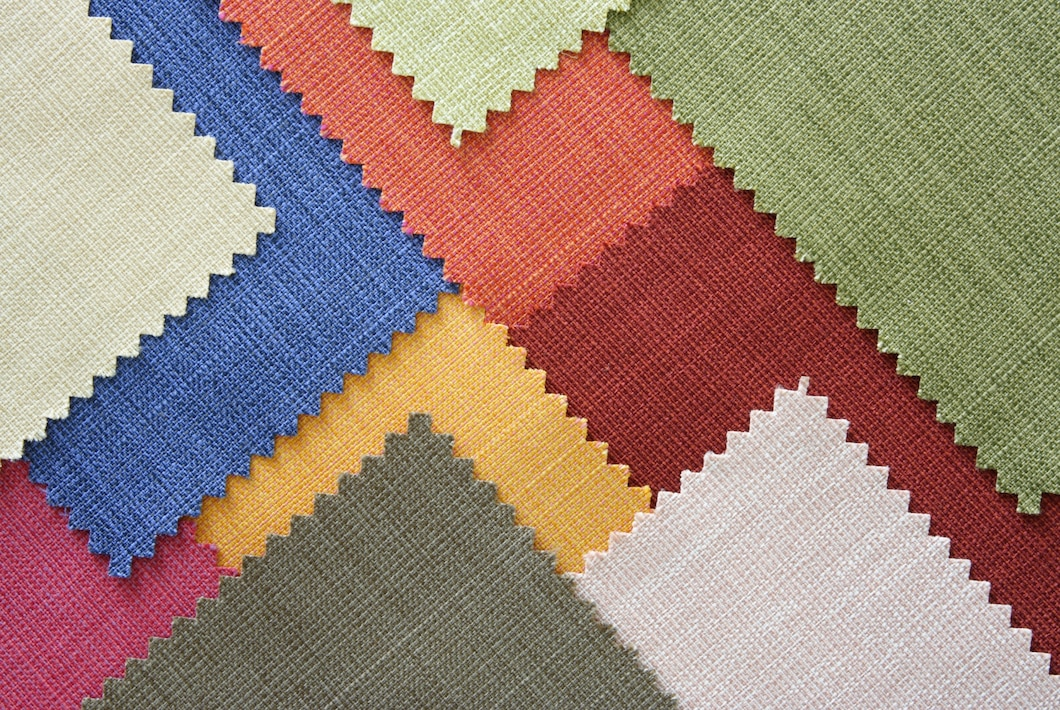
Do you see those flowy summer dresses that drape smoothly around your body and give you a lovely shape? These are the dresses that are made of rayon. They are in no way stiff and fall across your body, very complimenting your shape, which makes it an ideal fabric for making dresses, skirts and peplum styles tops and bottoms.
-
Lace
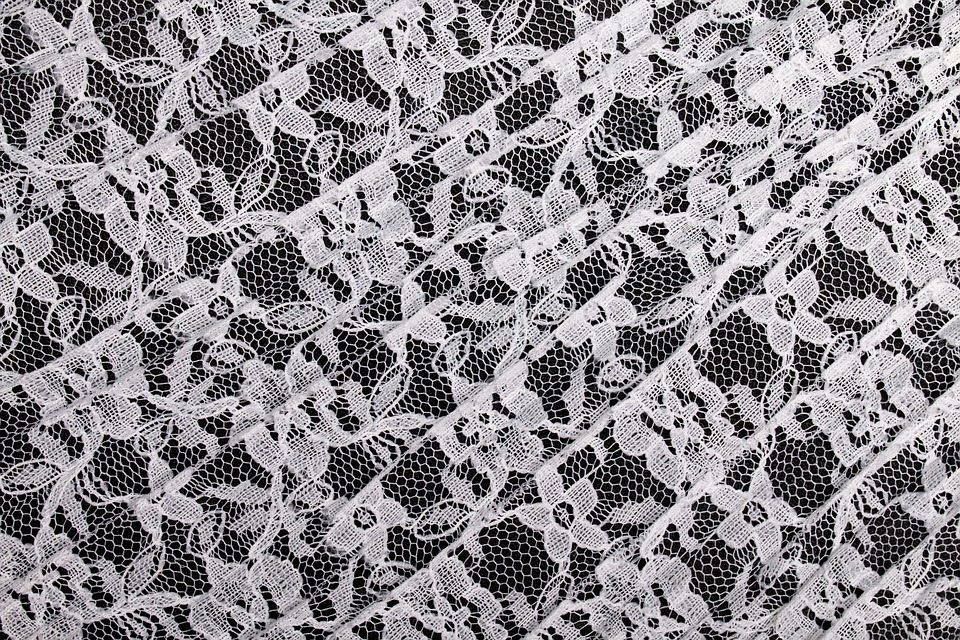
Women love the lace detailing, be it for lingerie or for an LBD. Out of all the other fabrics, lace looks the most feminine, intricate, and sultry. Most women love lace, and if you happen to be a lace lover too, you can get your whole dress made with a lace lining to create your desired outfit.
-
Polyester
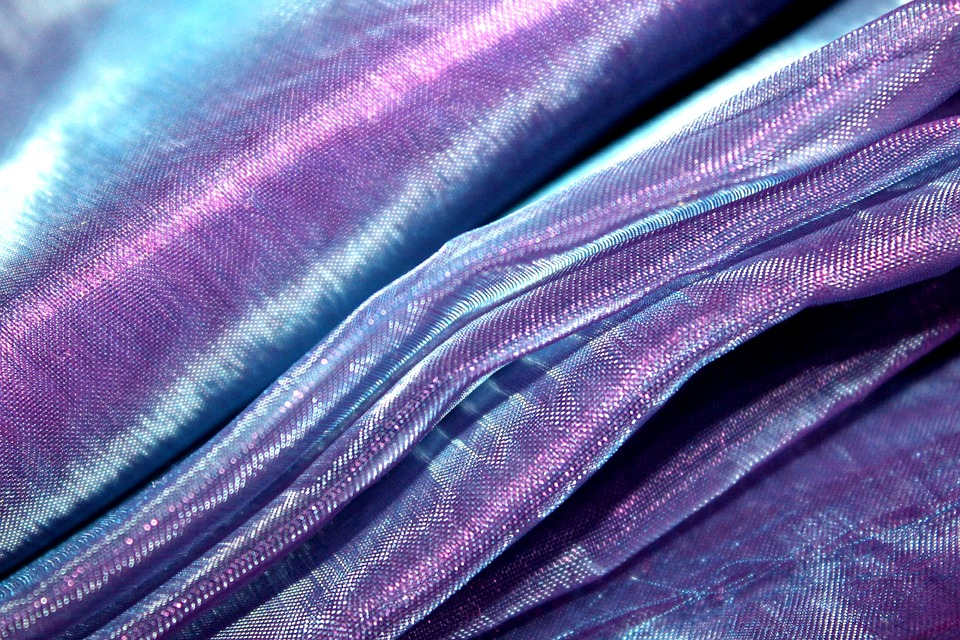
Bright and summery-colored clothing is made from this type of fabric. In general, polyester is an excellent choice for making beautiful dresses and skirts and goes as long as they don’t need much maintenance and retain their original form even after many washes. However, some women may find this fabric hard to breathe in as the airflow in this fabric is much less compared to others.
-
Linen
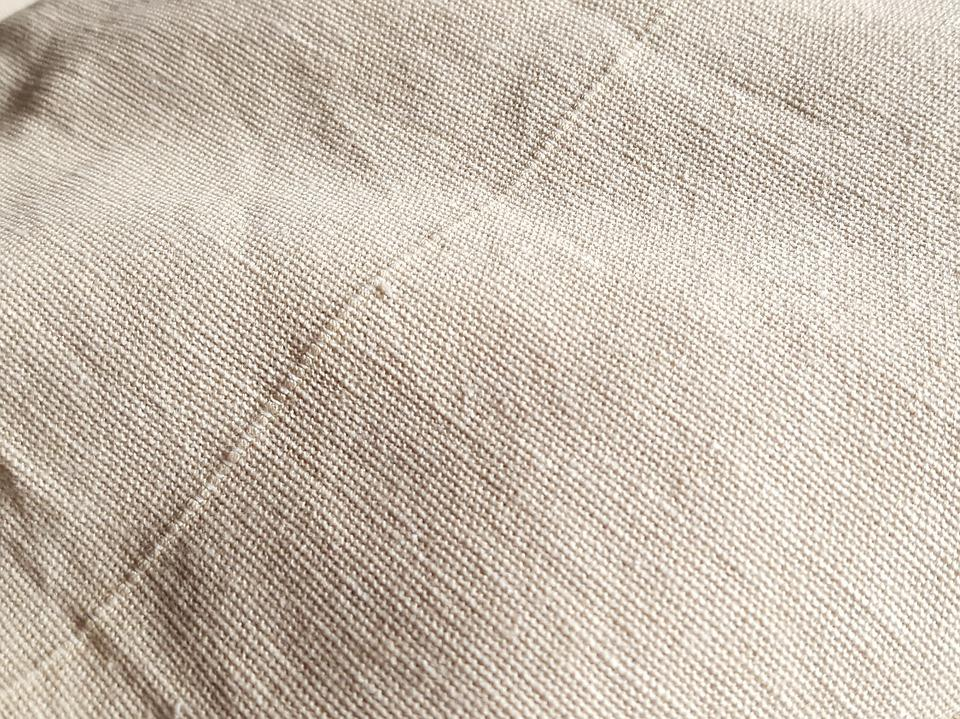
This fabric has been used to make both women’s and men’s clothing alike for a long time. According to popular belief, linen can be quite stiff and crinkly, although if you can find good quality linen, you’ll notice how soft it is and can be made into amazing skirts and dresses with pleats.
-
Blends
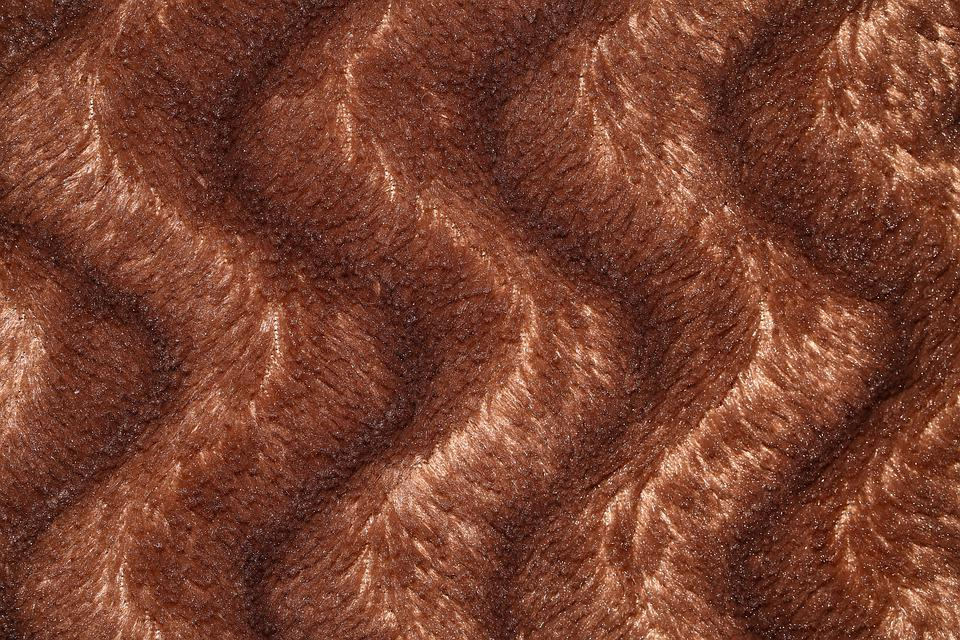
Blends are created when two or more than two fabrics are blended together to form a single yard of fabric. Blends are one of the most used fabrics in today’s time, and understandably so, as blends are great for making women’s wear. For example, if a dress is created using a cotton and rayon blend, it will have qualities of both fabrics, which are comfortable as cotton and naturally flowing as a rayon. Wouldn’t it be great to make a custom outfit with your favourite blend?
-
Wool
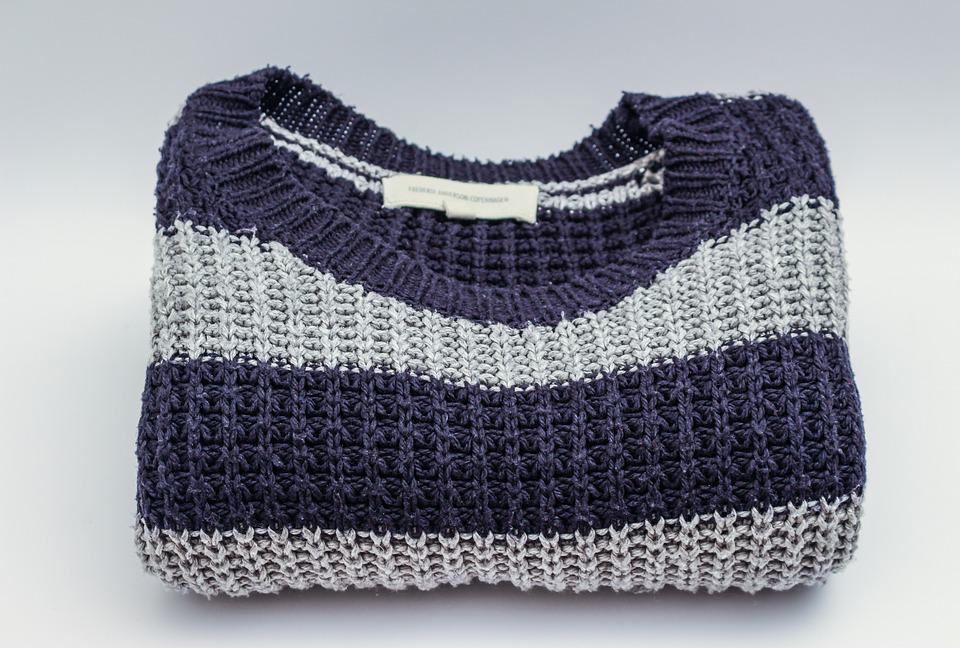
Fashionable clothing pieces made from wool are different and much thinner than the wool used for making winter items like blankets and beanies. But the dresses or outfits made from wool look super elegant and are a great choice for those seasons when the cold is lingering at your doorstep, although it’s generally warm outside.
-
Knit
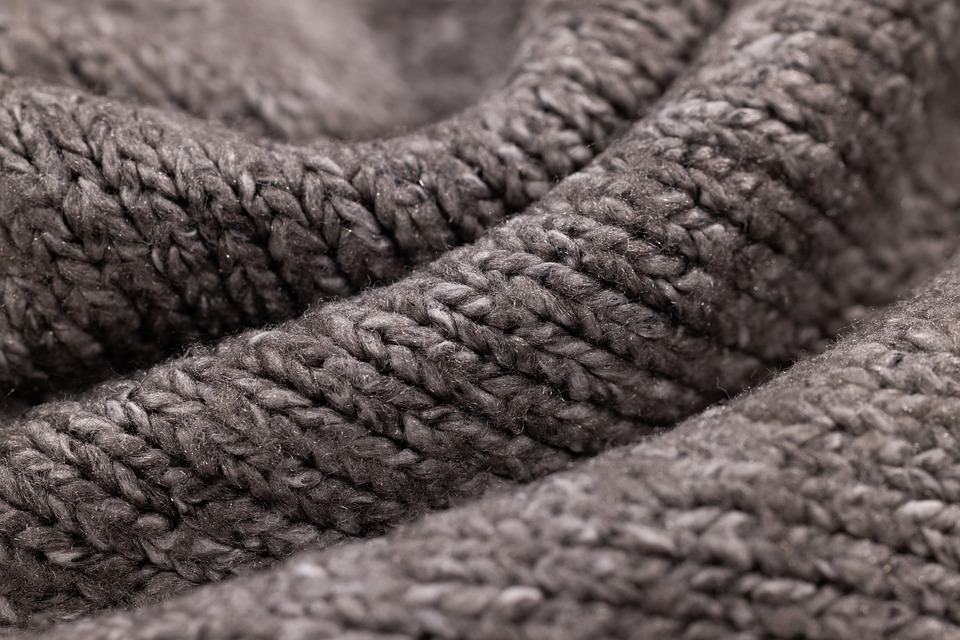
This fabric has slowly but surely gained prominence in women’s fashion over time. Knit is known for wrapping around your body nicely to give you a shapely body-hugging figure which is a great choice for pencil skirts and bandage dresses.
-
Satin
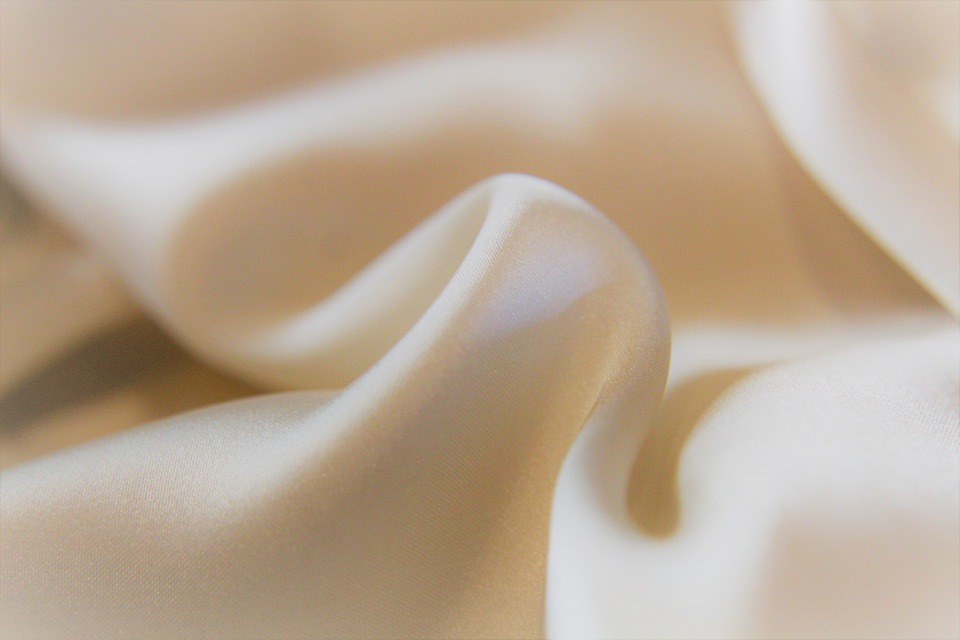
As we move towards the runner up fabrics, let’s talk about some luxurious fabrics like satin. As a fabric, satin is on the more expensive side and has a rich and elegant feel, making it great for special occasions and events.
-
Silk
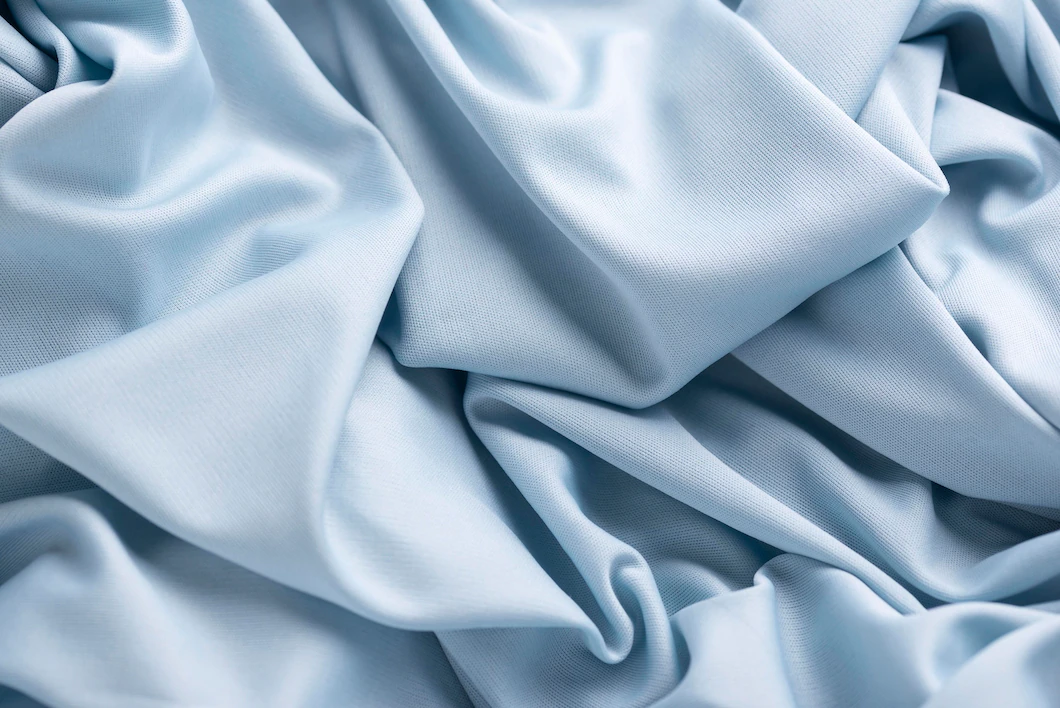
Another fabric that looks and feels luxurious is silk. It is one of those indispensable fabrics that women love to wear, especially for Indian traditional wear of its beautiful draping nature. One of the must-haves in your closet, owning a single piece of silk clothing cannot be enough for anyone!
-
Cotton
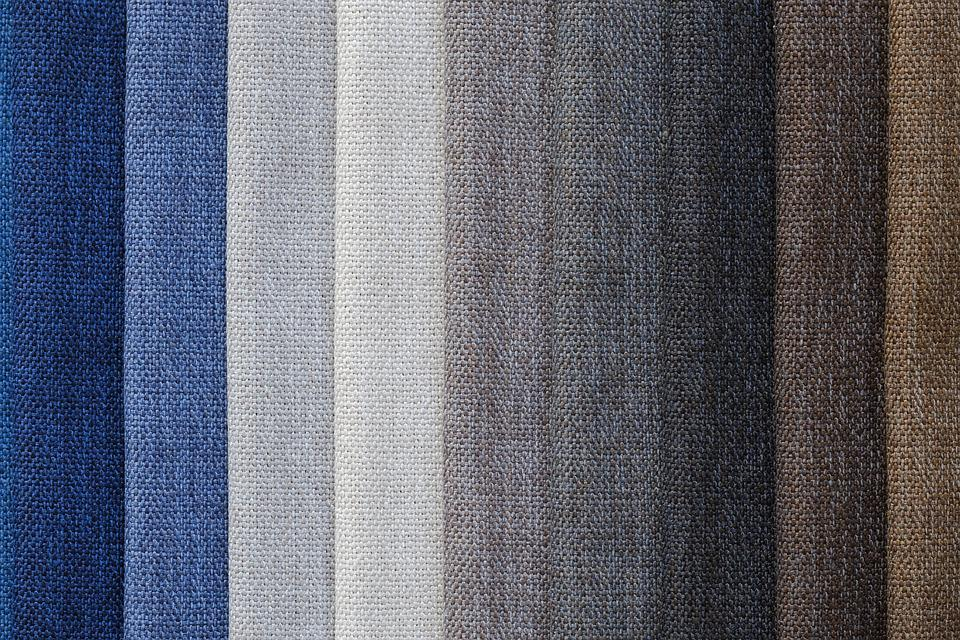
Lastly, the show stopper is cotton. At the end of the day, today’s fashion is all about being comfortable and confident in your attire, and nothing is more comfortable than good-quality cotton. Not only is it comfortable, but T-shirts and tops made from cotton also are the most common regular wear for women, and it is here to stay and remain trendy.
Now that you know about most of the fabrics used to make women’s wear, get your own yard and start designing and building your dress from scratch to build your perfect outfit. To get your preferred fabric, you can consult with CheerSagar to get the best quality fabric at a budget price.
Top Challenges & Opportunities In Private Label Manufacturing
The effect of covid-19 is already visible across the globe. India is one of the countries that has experienced a adverse impact of this global outbreak. On one hand, the country has experienced a downfall in demand. Simultaneously, the demand for the online industry has experienced a hike.
After the concept of social distancing, people are relying more on online shopping. With this, the demand from big brands to sell their products/clothings online has increased a lot.
With the increasing demand in the market, brands look for the best Garment Exporter In Jaipur that can fulfill their exact needs and fill their stock on time. Such garment exports that manufacture for specific brands are terms as private label manufacturers.
Today, these manufacturers have faced multiple challenges. Alongside they have also experienced a few opportunities to grow their demand. So, let’s start with the top challenges faced by private label manufacturers.
High Competition: Many of you are already aware of the famous quote, “you get what you pay for.” Today, the increased competition has diminished this concept and has made it a competition among the manufacturers to provide a level higher than what brands pay in return.
The demand for private label manufacturers has increased at a huge rate in the last few years.
According to the sources, 93% of Fortune 1000 companies have a private label manufacturer that takes orders on their behalf and fulfills their demand on time.
The increasing demand for manufacturers has introduced numerous private label manufacturers, which makes the selection even harder. Ultimately the quality manufacturer that provided USP clothes is selected over others.
High Manufacturing Demand: Once you start working for a brand, another challenge is meeting the deadlines with bulk manufacturing. If you are a startup manufacturer, it may be challenging for you to meet the required stock count within a given time frame. Still, you have to match the count at any cost.
Undoubtedly brands get demand in bulk for specific clothing, and hence they forward the requirement to their manufacturer. You need to fulfill the requirement without a second thought. In all this, you can’t compromise the quality as numerous other manufacturers are available to take the order.
Strengthening Brand Awareness: As private label manufacturers don’t have their own brand, they rely more on the success of the brand they serve. It means their success is somewhere reliant on the success of the brand they are working with. Until you have manufacturing contracts with multiple brands, it’s tough for you to continue serving one brand and wait for its popularity and brand awareness.
Many brands are already in the practice of online marketing and branding that helps them earn online reputation and high visibility. It ultimately boosts their demand and hence benefits you indirectly. However, you won’t be benefited until the brand is well renowned in the market and has a high demand.
Addition of New Technology: Everyone knows that technology is changing /upgrading every single day. With the pace of technology, new machines and equipment are now available in the market that lessens your efforts and boosts your productivity. As a private label company, you need to add advanced machines and equipment to your manufacturing unit and continue serving the brand with higher speed and efficiency.
Maintaining USP: Every manufacturer has a USP that distinguishes them from the competition. If you have a USP, you have a high chance of getting multiple contacts. However, you should ensure the quality and USP remains the same in the entire stocks requested by the brand.
Running a private label manufacturing unit is simple, as it only requires a one-time investment. However, building a USP and serving the same for a long time is tough. Consistency in serving the top-end clothing to your customers is what makes you remarkable and populates the brand across the market.
So, before competing in the market, it’s crucial to build a USP (Unique Selling Price) and maintain it to outrank the competition. Above all, you should never compromise with the fabric quality, which is a major concern for brands looking for a private label clothing manufacturer.
Whatever the challenges are, it’s important not to skip the point that fashion changes every day. With this comes the stock of new fashion formats that everyone loves to adopt. Private Label Manufacturers have this opportunity to understand the market and provide the same outfits to the buyers.
Running a Private Label Manufacturing unit is a B2B concept that entirely depends upon the number of contracts you own and the reputation of brands you serve. If you are working with a new clothing brand, it’s tough for you to survive entirely on a newbie brand. Instead, you will require other contractors/deals to continue serving the customers through different brands and maintain a regular clothing demand.
Ways To Dress Up In This Monsoon: Some Cute Ideas
Women are very choosy and particular when it comes to their wardrobe collections. We all know that monsoon is the season where the outfit collections should be special that should be comfortable and ready to deal with the weather. Wet fall days are now upon us, and it’s essential to be prepared then, whether it is your footwear or your outfits. Apparel should be like that which doesn’t get transparent while getting wet or stuff with humidity. Apparel Manufacturers always keep in mind to give you the best, which is comfortable and season friendly. Here we will have some cute rainy day outfits that you can add to your wardrobe collections.
Rain Boots: Steer away from the old galoshes and pick out some cute rain boots in this monsoon. These not only are monsoon friendly but enhance your beauty to the next level. Wearing these make you feel stylish. Pick one pair by which you feel great as there are many options available in the market.
Scarf: Always remember that if you want protection and fashion, then a scarf is the best option. Consider adding a scarf to look fashionable and also to protect your hair. To protect your hair against frizz, you can carry a thin scarf to tie around your hair. Colorful scarves are something that helps in boosting your mood. So this monsoon, be stylish with pink rain boots with a colorful scarf. And both complement each other.
Leather Skirt And Raincoat: Headed to a party, and it’s wet outside. Not to worry about your fashion and look. Simply tuck a t-shirt with a leather skirt, and for completing the look, you can add the raincoat or light jacket on top. For footwear, knee-high boots will be good as they keep feet dry as well as warm.
Classy Trench Coat: Classy outfit means something that one turns to head towards you. So be classy and wear black outfits with trench coats. Pair the tees with leggings and a trench coat at the top with slight heels for a complete look. This is perfect for the cold as well as for drizzly wet days. You can also accessorize it with a black leather purse and a simple necklace if the weather allows.
Long Coat: With the black shirt and trousers you can carry a long coat with a black bag. But as it is rainy outside so not forget to have something that protects you from ruining your look. So you can have an umbrella and long boots with it. And the look comes out to be stylish.
Sunshine Yellow Outfit: What about sunshine yellow leather trench coat with striped shirt or tees. You are good to go with this lovely pair but not to forget to have your rain boots of black color with them.
Style Floral Jackets: Rainy season is the most awaited season where not only the mood refreshes, but everyone wants to be out in pitter-patter. So, pick up the neutral color shirt with tights and long rain boots of black color. And the most important one is your super cute frock-style floral jackets that make you feel up to the moon.
Denim And Patterns: Patterned dresses are for every season, and if you want them in monsoon, then what are you waiting for? Have your patterned dress and pair it with a denim jacket with a black umbrella. Chunky ankle boots will complete your look.
Cropped Pants With Casuals: Flats with pants and denim jacket. What about this combination? Simply go with casual and simple tees with green pants having denim jacket with simple printed umbrella. So here is a simple look.
Faded Shirt And Jeans: If you want something like the chic street style, then be in a faded shirt and jeans with nude sandals and a simple bag. Never forget to carry an umbrella with striped prints.
The Black And Whites: This is the color combination which never in out of fashion. So this monsoon tries this. You can carry a black umbrella with a black bag and rain boots with knee-length, long white tees.
Style yourself with a red: black shirt with black leather pants and a skin leather jacket. For completing the look, carries a red-colored umbrella with a black bag and red sneakers.
When we see around then, there are many options available, especially for women when it comes to outfit collections. Above are some rainy day outfits that go well with the weather and make you feel stylish and classy. By these above options, rainy days don’t have to win, women!
So, try this and enjoy your rainy days with beautiful colors and a drizzly day outside. Remember selecting a dress can make or break your personality. So, choose wisely!