
Apparel Industry: Factory Floor Layout
On social media, you go above and beyond to ensure that an aesthetically pleasing layout is portrayed, so why not the same for your apparel factory? Now, aesthetics might not be the number one priority for your factory floor layout, but there are various factors that can be used to design the ideal layout. So let’s take a look at some factory floor layouts that are popularly used in the industry along with their benefits. But first, let’s learn about the goals of a factory floor layout.
The primary goal of the factory floor layout is to increase efficiency and allow the work of machines and their operators to be as smooth as possible. This primary goal can be achieved when you plan and accordingly consider the following points while creating your floor layout.
-
Creating easily accessible entry and exit points on the factory floor
-
Placing the aisles tactfully so that people and cargo can move easily without hindrance
-
Keep hazardous elements away from workers to reduce the possibility of workplace injuries
-
Keep your layout minimal so that you can adjust it later if needed
-
Try and work with modular pieces so that you can adapt as per need.
If you ensure all the points mentioned above, you will be able to create an efficient factory floor. You will also be able to ensure that your labor and machines are churning out optimum output, ensuring production costs are in check. Now, let’s look at/review some of the most popular factory floor layouts for the apparel industry and their benefits.
Forward Flowing Layout
The forward-flowing layout is vertical in nature which works from the back to front. Workers work on small workstations where the product is moved forward and finished at the front. This layout focuses on the workers working on minimal machinery to be able to move their product forward in due time. Let’s view some of the benefits of this factory layout.
-
Very efficient when you have a large workforce
-
Great for bulk production of apparel
-
Perfect when every worker has to work with only a few tools
Side Flow Layout
The side flow layout is best utilized when every worker has to use multiple machines in order to complete their task. This horizontal layout is also commonly used where workers hand over the products side to side, and the assembly starts on the left and ends on the right. Here are some benefits of this layout.
-
Great for factories where the workforce is relatively smaller
-
Allows easy maneuverability for workers
-
Great for factories where workers are required to multitask
U-Shaped Flow Layout
The u-shaped flow, as the name suggests, is shaped like the alphabet, and it starts and ends on the same side, with the product flowing through the ‘U’ back at the top. This layout is very efficient and allows all the functions to work in tandem. Let’s review some of the benefits of using this factory floor layout.
-
This layout can be completely efficient even with a small workforce.
-
The U-shaped layout allows employees to multitask if and when necessary.
-
This layout utilises the space on the factory floor very well.
Those were some of the most common factory floor layouts for the apparel industry. If you are interested in learning more about factory floor layouts, be sure to check out the blog section on CheerSagar’s website. And if all of this feels too complicated, you can simply outsource your apparel manufacturing to CheerSagar and get your garments as and when you want to be made readily available to you. For more information about CheerSagar’s services, check out the official website.
How To Develop The Right Outsourcing Strategy For Apparel Business?
While the consumer industry is moving more and more towards do-it-yourself projects, businesses realize that outsourcing is the way to move ahead. And why not at that? Outsourcing allows you to improve your production capacity while also ensuring that product quality is maintained. Best of all, your production process becomes a single fixed expenditure instead of a long list of never-ending expenses.
However, all that glitters is not gold. Outsourcing may seem like a great idea, but there are many things you need to know about it before you can fruitfully reap all the benefits of outsourcing. So, how to develop the right outsourcing strategy for the apparel business? Let’s find out.
Currently, there are two major trends for outsourcing in the apparel and textile industry. They are popular because they help companies reduce strain on the supply chain and help brands meet product demand better. The two outsourcing strategies, namely nearshoring and onshoring, have become widely accepted in the apparel industry because of their advantages. Let’s find out what these advantages are and how you, too, can take advantage of this outsourcing strategy.
Onshoring
Onshoring is when you transfer your production processes to another city in your domestic country itself. Generally, brands move the manufacturing processes to a non-metropolitan city where the cost of operations is lower comparatively, and it becomes easier for businesses to lower the production costs of their products. Plus, it helps brands reduce the burden of international taxation and help their domestic economy. Let’s look at the benefits of onshoring for the apparel business.
-
No language barrier
-
Better production quality
-
Considerably affordable labour costs
-
Lower management and administrative costs
-
Helps develop non-metropolitan cities
As with any administrative/business process, there are some disadvantages attached to it as well; let’s review the disadvantages of onshoring.
-
Lack of skilled labour
-
Takes longer to set up
Nearshoring
Nearshoring is the other option other than onshoring that is really popular among apparel brands nowadays. While onshoring focuses on transferring production processes to non-metropolitan cities within the country, nearshoring aims to move production processes to other neighboring countries. Nearshoring allows you to reduce production costs even more compared to onshoring if the currency exchange is in your favor. Additionally, you also don’t need to move to remote locations, which allows you to lower the cost of the supply chain. So, with these factors in mind, let’s review some of the benefits of nearshoring.
-
Lower production costs
-
Good connectivity for the supply chain
-
Favorable currency exchange
-
The abundance of skilled and unskilled labour
-
Lower administrative and set-up costs
While there are many benefits of nearshoring, there are some disadvantages too; let’s review the disadvantages of nearshoring for the apparel business.
-
Possibility of a language barrier
-
Different cultures can lead to different holidays and beliefs
So, those are the two current trends for outsourcing in the apparel industry. To create the right outsourcing strategy, it’s crucial that you stay up-to-date with the times and implement the strategies that are standard to your industry. However, of the two options mentioned above, the one you choose is going to be based on your requirement and business model.
However, if you don’t want to go into the hassle of setting up a new production house at a different location, you can always outsource your production responsibilities to the top white-label apparel manufacturer in India, CheerSagar. With CheerSagar, you can produce high-quality apparel products exactly to your specifications and get them exported to six continents in the world. To know more about CheerSagar, be sure to visit their website.
Comfort Test: Which Fabric Is More Comfortable, Polyester Or Cotton?
When you are comparing polyester and cotton, the results can be highly subjective based on a number of factors. Objectively, it’s hard to tell what everyone will consider comfortable over others. Cotton is the most used fabric in the world right now for manufacturing textiles; this proves that it is a comfortable material as it is used for making all types of clothes. Can the same be said about polyester? How does it hold up against cotton in terms of comfort? Let’s find out!
Aesthetics

When you are trying to determine the comfort of fabric, you have to consider the aesthetic/feel of the fabric to the human touch. When you are comparing two fabrics, subconsciously, the fabric that feels better in your hand will be more comfortable to you. So, in the comparison between cotton and polyester, cotton wins because it is softer in nature and will feel better in your hands, as polyester feels rough compared to the human touch.
Sensory Comfort
Just like touch, the way any fabric interacts with your other senses can play a major role in your body determining which fabric is more comfortable than the other. When it comes to polyester, the rough texture of the fabric can cause a sound when you move wearing it; if you are not used to it, it can be very uncomfortable for you. Cotton, on the other hand, doesn’t have this problem as cotton is a soft fabric and does not cause any sound when it rubs against your body. So, in terms of sensory comfort, cotton wins again against polyester.
Structural Differences of The Fabric
Cotton is naturally derived; polyester is not. When you look at cotton under a microscope, you will be able to see that cotton creates an uneven surface that traps very little air between your body and the fabric. Why is this important? This is because the more air that is trapped between your body and the fabric, the more your body will retain heat, making you feel more and more uncomfortable; so by that measure, cotton is more comfortable because it traps very little air between itself and your body and even releases the air. Polyester doesn’t easily let out the trapped air between itself and your body, which makes it relatively uncomfortable compared to cotton.
Reaction With Moisture
On a hot day, regardless of the fabric you are wearing, you are bound to sweat. However, how the fabric deals with that sweat can be a premier deciding factor for the comfort of the fabric on your body. Cotton absorbs sweat and also allows air to pass through the fabric, helping your body regulate its temperature. This is ideal for any fabric for it to be comfortable to wear. Polyester, on the other hand, does not absorb sweat. It also does not let sweat show on the surface; the fabric also is not good with letting air pass through it, which can make the wearer feel quite uncomfortable while wearing polyester on a hot day.
So, based on the four reasons mentioned in this blog, you can safely conclude that cotton is more comfortable to wear than polyester. If you want to research more about different fabrics, such as polyester and cotton, be sure to check out the blog section of CheerSagar. You can also get in touch with CheerSagar if you want to work with India’s premier white-label clothing manufacturer and exporter. For more information, check out CheerSagar’s official website.
How Can I Export Clothes From India To The UK?
The UK and India are one of the best trading partners in the world. If you know a little bit about the history of these two countries, you would know the UK and India have been in business for centuries. Today in modern times, except for the dominion status of India, nothing much has changed. The UK still loves importing things from India because it’s cheaper to produce in India than in the UK or anywhere in Europe. As businesses in India, this is a lucrative opportunity to get your products onto a new market and get some extra profits. But how do you get started? Well, the process is quite simple, actually; let’s get right on with it.
The process involves various steps and requires you to get clearance from the two country’s governments. You would also need to arrange for your exporting partner to help you get your products to the UK once the formalities are done. There is another way to export your clothing to the UK as well, but first, let’s review the self-exporting process.
Getting The Right Current Account
You have a registered company; that’s a great place to start. However, you would need the right type of current account if you want to be able to trade internationally. Your current account needs to be opened in a bank that can operate on International exchanges. This will allow you to receive funds in foreign currency directly into your current account. So, this should be the first thing you should get onto if you don’t already have it to get your clothes into the UK market from India.
IEC & RCMC
Your company needs to have an IEC code to export or import anything to and from India. You have to apply for the IEC code once your company registration is complete to the DGFT. So, once you have your IEC code, you need to get into the process of obtaining your RCMC. The Registration Cum Membership Certificate is a certificate that authorises you to export your goods to a foreign country. These certificates are offered by relevant government bodies, export promotion councils, and FIEO. You need to get these certificates in order to be eligible to export your clothes to the UK.
Customs & VAT
Both the exporting (India) and the importing (the UK) country complete their customs check before any product is sent off or officially received in export. Your clothes will be checked if they are correctly billed labelled and meet the import criteria of the importing country. Once your products are cleared, congratulations, your products have now entered the UK market. However, there is one last thing that you need to know about the UK. Unlike India, where GST is charged as the government tax on all commercial expenses, the UK uses the VAT system. The VAT is charged on your exported clothes as if it is a customs duty, so as an exporter, you would need to pay the fee to finally get your products into the UK market.
So, that’s all the steps you need to follow to get your clothes into the UK market. This process can be long and take time before you can successfully get your clothes to the UK. This is where the second method can be used to export your clothes to the UK.
You might already use a clothing manufacturer to create your clothes as a clothing brand. If your manufacturer is also an exporter, you can easily get both benefits under the same roof, and you can avail of such benefits if you work with CheerSagar. As one of India’s top clothing manufacturers and exporters, CheerSagar can help you manufacture clothing precisely to your requirements and help you export your clothes to countries across six continents. To learn about their services, feel free to visit the official website.
The Future Of Apparel: Towards Compliant Fashion Factories
As the world moves towards more environment-conscious efforts every day, every industry is trying its best to conform to the new standards. Whether it is making ethically produced clothing or using ethically sourced raw materials, there are a lot of prerequisites brands are expected to follow in today’s world. The fashion industry has taken strides to ensure that brands follow sustainability norms and create a precedent for themselves.

This is done by being more thoughtful of the people that produce their clothing and the materials they use to produce the clothing. So, it’s safe to state that the future of the apparel industry is going for compliant fashion factories that follow the norms of sustainable fashion. But, what are the compliances fashion factories are required to follow? Let’s explore.
Human Working Conditions
When you hear news of major fashion brands mass producing their apparel in sweatshops or thousands of workers losing their lives in freak accidents at factories, it really puts into question the ethical standpoint of fashion brands. To combat the problem of workers producing high-end apparel for almost no pay, social benefits, or basic human rights, fashion factories are making a massive change. Today’s fashion brands are ensuring that their products are ethically produced at safe factories by workers who are fairly paid and offered humane working conditions along with guaranteed human rights.
Ethically Sourced Raw Materials
One of the lesser-known issues of the fashion industry previously was the exploitation of raw materials and resources to produce their products at a lower cost. This also came with the exploitation of farmers by either not providing fair pay for the raw materials or by harming the fertility of the land by forcing farmers to overproduce based on industry needs. These practices have since been brought to light, and today, the industry is trying to move away from such practices. Most major fashion brands now ensure that the fabric and raw materials that they use to produce their products are sourced ethically and sustainably.
BSCI Certification
The Amfori BSCI certification is one of the prominent compliance certifications with which fashion brands should comply. This certification ensures that the supply chain of any fashion brand is monitored and assessed for its workplace standards. This certification does not only track, monitor, and assess the supply chain of any particular brand, but it works on the global supply chain of the fashion industry as a whole. As a fashion brand, if you are BSCI compliant, it can be highly beneficial in proving your brand is sustainable and ethical.
SA8000 Compliance
When your fashion brand is BSCI compliant, you get to go for the SA8000 compliance as well, which ensures that your fashion brand does not involve forced labour or child labour. This compliance also ensures that your factories have humane working conditions with governmentally approved working hours, compulsory health and safety measures for workers, and the right to collective bargaining for workers. These compliances ensure that your factories are ethically run, and they are based on exploiting workers.
So, that’s the list of some of the compliances that fashion brands are expected to follow in today’s world. As the world progresses toward a future that is more sustainable, it’s safe to say that sustainable and ethical norms in the fashion industry are no longer a choice; it’s a necessity. So, if you want to associate your brand with ethically strong and sustainable clothing, then you should follow these compliances. You can also check out CheerSagar, which is the top clothing manufacturer and exporter in India. They ensure following all fashion industry compliances to ensure your clothing is made using organic fabrics that are sustainably sourced at factories that are ethically run. For more information, you can go through the CheerSagar website.
Why & What Chemicals Are Used In Textile Manufacturing?
Textile manufacturing uses various chemicals for different purposes. No matter if you are wearing clothes made from natural fabric or synthetic ones, all fabrics go through set chemical processes. These processes are used to mould the fabric in desirable ways so that they can be used to create different types of clothes. Often these processes are also used to provide extra benefits to your clothes, such as antibacterial treatment and fire retardant treatment. So, with that information, let’s explore the details of the various chemical processes involved in textile manufacturing and the purpose they serve.
To understand the chemical processes used in the manufacturing of textiles, you first have to know the detailed manufacturing process of textiles. This is because chemical treatments can be used in any or each of these steps for different but specific purposes. The manufacturing of textiles can be divided into seven individual steps they are:
-
Scouring and washing yarn and fibres
-
Bleaching
-
Mercerising
-
Dyeing
-
Printing
-
Finishing
-
Washing of finished and treated clothes, yarn, or fabric
Now that you know the various processes your clothes go through before reaching your hands let’s learn more about the various chemical processes performed at every step of this process and the purpose they serve.
Scouring & Washing Yarn
First, the yarn is scoured and washed using detergents or enzymes in order for it to be clean and ready for the textile manufacturing process. This process is crucial as a dirty fabric can lead to imperfections in the textile. So, the yarn is washed sufficiently to make it ready for the next steps of the manufacturing process.
Bleaching
During the bleaching process, there are two types of chemical processes that are used. The purpose of these chemical processes is to bleach the fabric or to reduce the water and energy use required in the textile production process. Peroxide stabilizers and peroxide killers are used during the bleaching process to either bleach the fabric or neutralize the amount of peroxide in the fabric. This reduces the amount of effort and water required in the manufacturing of the product.
Mercerising
This process is used especially for treating cotton fabric. Concentrated caustic soda is applied to the yarn when it’s under tension. This allows the cotton yarn to become more accepting of dyes and chemical treatments that will/can later be used on the clothes.
Dyeing
As you can imagine, dyeing is perhaps one of the most easily understandable chemical processes in textile manufacturing. There are various types of dyes used to color clothes, such as sulfur-based dyes, indigo dyes, vat dyes, and direct dyes. These dyes often have chemicals in them, which are used to color the fabric. Apart from the dye itself, there are other chemical processes used during the dyeing process as well, such as leveling agents, soaping agents, and vat leveling agents. These agents work to help disperse the dyes, improve color brightness in the fabric, and improve dye penetration into the fabric.
Printing
During the printing process, chemicals are used to ensure that the print is accurate and clearly visible on the clothes. Binders are also used during the printing process. Chemicals like pearl binders and puff blinders are used to give shimmer and a 3D effect to the print on your clothes.
Finishing
During the finishing process, chemicals are used to give a specific finish to your textiles. These chemicals can stop your clothes from shrinking or be retardant of fire. Chemicals are also used to make your clothes feel soft and voluminous, as well as prevent them from yellowing over time.
So, that concludes the textile manufacturing process. At last, the finished clothes are finally washed one last time before they are prepared for packing. Now you know the various chemical processes used in the textile manufacturing process and why they are used. If you want a textile manufacturer yourself, be sure to contact CheerSagar, India’s leading textile manufacturer and exporter. For more information about their services, feel free to check out CheerSagar’s website.
How Can I Export Clothes From India To Africa – CheerSagar
The continent of Africa hosts 2% of the entire world trade. The continent is filled with developing countries with a considerable population and rising demand. You can fulfill this demand as clothing brands and exporters by getting your products to Africa. The continent of Africa has a lot to offer for exporters as you access the markets of over 50 countries. This can help you get a hold of your international trade and expand your business, further cementing yourself as an international brand.
But, the primary question is, how do you get started? Given that Africa is a continent and not a country, you would need to follow individual guidelines of the various countries to navigate your exports. So, to help you, here are the various prerequisites and steps you would need to follow to get your clothes exported from India to Africa.
Get Your IEC Code From DGFT
To get started as an exporter getting your clothes to Africa, you first need to get the IEC code from DGFT. IEC stands for Import and Export Code, which is necessary for all businesses to procure before they can start exporting their goods to other parts of the world. India does not levy any taxes specifically on export, so you can get started quite easily for your export to Africa once you have your IEC code.
Get Your Products Ready For Export
As Africa is a continent, each country in Africa has varying quality control measures for clothes and other products. You need to ensure that your products meet the quality control requirements of all the countries to which you are exporting. Otherwise, your products will not be accepted to be circulated in their local markets. So, once you have your government license, you need to get a solid understanding of the quality requirements of African countries and make sure your products follow the requirements.

Get Your Freight Forwarder
Once your products are ready, it’s time for ships to take them away from India to Africa, and that is done by freight forwarders. These companies ensure that your products are checked before leaving India and checked upon arrival at the African nation by respective customs departments. These companies are crucial in getting your products across to the other country, so make sure you choose a trustable freight forwarder to get your clothes to Africa quickly and safely.
Check Out Government Customs & VAT
African countries use the VAT system for taxing imports. So, based on the country you are exporting to and their terms of import, you may have to pay customs or VAT on your export. Ensure that you get proper information about these things before you start exporting, as these fees need to be cleared by you before your products can reach the market. But, once you are done with this part, your process is complete, and now your products will be available in the local market.
Africa is one of the most prospective exporting regions in the world. If your products can catch on in Africa, you can have access to an incredible level of demand, which can help you grow your business. So, make sure you follow all the steps mentioned in this blog to get started exporting your clothes to Africa. You should know that there is another way to get your clothes to Africa as well.
For this next process, you would need to work with a clothing manufacturer and exporter such as CheerSagar. Top clothing manufacturers and exporters like CheerSagar help you manufacture clothing that is compliant with all government regulations to the exporting country. They also help you get your clothes to various countries across six continents of the earth. So, if you are intrigued and would like to learn more about how CheerSagar works, feel free to contact them or go through the official website.
Global Apparel Market Outlook – An Overview
Food, shelter, and clothing; are the three basic necessities of life that everyone strives to provide for themselves and their family. As you move up the social ladder, people try to get better versions of each of these necessities to improve their quality of life. And that is the reason why today, the global apparel market is worth over 1449 billion dollars. The best part is that as the world adapts to new technologies in every industry, the products keep improving and attracting new customers.
The global apparel market has also adapted new technologies such as nanotech, microencapsulation, and microfibres to enhance their products and provide specific benefits that make these garments unique and special. These qualities and adaptation to changes have spearheaded speedy growth for the apparel industry which is expected to reach over 2 trillion dollars by 2026. So with a solid growth trend in its pocket, let’s take a closer look at some of the factors that are contributing to this growth.
Influence & Influencers
Today more than ever, brands have the ability to reach any niche audience with influencers. When you hear good things about products from real people, or you see your favorite celebrity don a piece of clothing you have seen, it increases the desirability and demand for the product into the stratosphere. The influence of influencers has grown exponentially over the years and this has led to more and more people buying new trendy clothing items thanks to the penetration of social media into the population. This also brings up the next point.
More Young People Today Than Ever
Influencers and brands love to cater to the younger generation. The younger population can be influenced more easily and they are more loyal to their choices than other demographics. These factors have helped brands improve their base of loyal/returning customers and in turn improve their overall sales and business. Today it is estimated that young customers (Millenials and gen z) spend almost 600 billion dollars in the apparel industry every year and the value is supposed to increase even more in the future.
Globalisation & E-Commerce
The internet does not have borders and today it has made importing products out of foreign countries also incredibly simple. For a price, you can easily get a product you like from any country in the world. This has made trade global for customers and businesses alike. Today, businesses can find customers from any part of the world and as the shipping charges are levied on the customer, businesses can easily ship their products to any part of the world as necessary with the right carrier partner. Globalization has made it easier for global trade to become customer oriented when it was previously limited to only businesses.
Increased Spending Ability To Improve Quality Of Life In Developing Countries
Developing countries are a major push for the apparel industry. Growing economies mean people have the ability to spend on products that improve their quality of life. This means such consumers finally have the option to go for apparel that they like even if it comes at a premium cost. This spending ability has increased exponentially, especially in countries like India and China which are two of the fastest-growing economies in the world.
The global apparel market had seen some effects of the pandemic, but as the world returns to normalcy and people have a renewed sense/of the value of life, the market is expected to grow even faster in the near future. So, if you too want to be a part of this growing industry but don’t know where to start, you can contact CheerSagar. As a leading manufacturer and exporter of clothing in India, CheerSagar can help you float your clothing brand. For more information on how they can help, be sure to check out the official website.
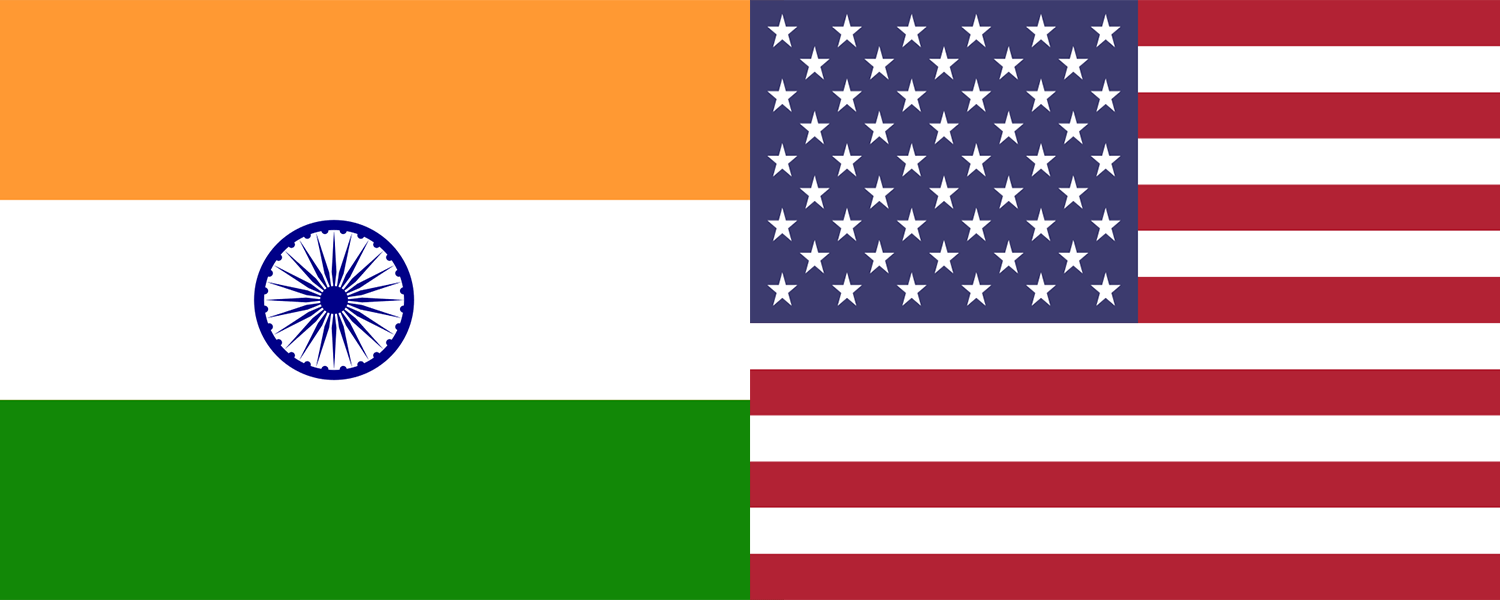
How Can I Export Clothes From India To The USA – Cheer Sagar
Exporting your garments to the USA is difficult, but it does not have to be. The process of exporting your clothes can be lengthy and complicated if you don’t know how to get around it. However, even when you are excited about getting your clothes to the US, please read up on the destination country’s guidelines on quality standards. Now that you are aware of the starters let’s get into the process of how you can export your clothes from India to the US.
Before you start exporting your clothes out of India, there are a few prerequisites that you need to fulfill. Here is a detailed list of the procedure for exporting your garments from India.
-
First, you need to get a license for exporting from the DGFT (Directorate General of Foreign Trade)
-
Once you have that, you have to approach banks with your license to get finance for exporting
-
Once your financing is cleared, you can go on and start exporting your goods to the USA.
This is great; that seemed quite easy, right? There are some more things you need to take care of before your clothes are merrily sailing or flying away to America. You need to learn about the quality standards set by the US for textiles in order for them to be eligible for entry into the US market. You can visit Trade.gov, which is a resource released by the government that can help you learn a bit more about their governmental quality standard requirements. Once you have made sure your goods comply with their quality requirements, you can move forward with the steps.
-
You need to get permits and certifications (if required) from corresponding Indian or international authorities.
-
Once you have your paperwork ready, now it’s time to get your products ready for shipping. You need to find yourself a freight forwarder that will help you ship your goods to the US.
-
This ends the process of shipping, and now all you have to do is wait till the products reach safely the other side of the world.
-
Exporting license from DGFT
-
Necessary Invoices
-
Packing list
-
Origin certificate for your clothes
-
Airway bill
-
Shipping Order
-
Export declaration form
-
Conformity certificate (if it is required)
-
Credit or debit note (if it is required)
If you haven’t already decided/planned on doing so, there are a lot of benefits if you choose. Here is a quick rundown of the benefits of exporting your textile.
-
If you choose to export your textile, you can claim a refund for any state levies that you had to pay on the input/manufacturing of your textile.
-
You can get several benefits under the EPCG scheme, which allows the import of capital goods required for the manufacturing of export textiles. The importing will also be free of customs duty upto a limit.
-
Exporters can claim a refund for any central excise tax or service tax paid during the manufacturing process of their textile.
So, that’s all the steps you need to fulfil in order to start exporting your textile to the US. But, do you know there’s another way? You can simply work with an existing clothing manufacturer and exporter and get your orders directly to any country across the world without having to go through most of the trouble. Are you wondering where to find such manufacturers/exporters?
Well, you can simply check out CheerSagar, which is India’s top textile manufacturer and exporter. They have extensive experience in manufacturing quality textile that complies with export quality standards, and they can export your clothes to all six continents. So, if you are interested, contact CheerSagar through their website.
Importance Of Nanotechnology In The Textile Industry
The importance of industries like medical devices, emergency services, and the military is never going to diminish; and do you know which industry they all need? Textile industries that use nanotechnology and nanomaterials! The importance/use of nanotechnology in the textile industry is almost at its peak now. But first of all, what is Nanotechnology (NT)? In short, NT is the study of materials and their properties that has a length of 1 to 100 nanometers.
So now you will be wondering, what is the relevance of nanotechnology in the textile industry? The purpose of nanotechnology in the textile industry is to gain an understanding of the nanomaterials to control and manipulate their biological, physical, and chemical properties of it in order to create structures, devices, new materials, and systems for humankind’s benefit. Textile properties like water resistance, antimicrobial properties, fire retardancy, and durability are created with the help of nanotechnology.
So now that you know what nanotech is and how the textile industry uses it in different industries, check out below some interesting applications of nanotechnology in the textile industry.
Nanotechnology has improved over time, and today it can easily be used on the surface of fabrics to give them extra strength, water resistance, and UV protection. Let’s discuss in detail the various applications of nanotechnology in the textile industry.
Water Resistance In Fabric
Using wax, water resistance can be achieved for fabric. When wax crystals of defined size are added to a piece of cotton fabric, it creates a peach fuzz effect, and the fabric becomes super hydrophobic. This, in turn, also reduces dirt that is stuck on the fabric. This is because when water beads up and rolls off from the fabric, it takes with it the accumulated dirt on the surface of the fabric, allowing your clothes to stay clean longer.
Textile Surfaces With Self-Cleaning Technology
Existing materials and fabrics can be enhanced by using nanotechnology to create self-cleaning on textile surfaces. This technology has huge potential in the textile market and can lead to a new phase of growth and improvement in certain areas of the textile industry. The self-cleaning property of a textile can be created by taking plants as leaves as a model to develop technical textiles to grow the production volume and hence, the sales too.
UV Protection Finish on Textile Products
When you are designing a weather-proof garment, you need it to be able to protect the wearer from harmful UV rays. As difficult as it may sound, it’s actually relatively easy for the textile industry to achieve said results. Adding an ultraviolet absorbent to the finish of your product is going to achieve the required results. How? Well, nano-sized titanium dioxide is used to coat the fabric. The smaller size of this compound allows it to spread across a larger surface area; this dissipates UV rays better and offers better protection against UV than other conventional UV ray protection products.
-
Nanotechnology can be used to create a new and better fabric that is stronger, more flexible, and has useful benefits directly added to them, such as water resistance and UV protection.
-
Nanotechnology can be used to upgrade existing fabric as it can make improve the strength and durability of traditional fabric.
-
Nanotechnology can be used to create a new manufacturing process for textiles that do not require large assembly lines and uses very little energy.
The textile industry, with the help of nanotechnology, has the potential to create new products and inventions that could change the way how people use materials for making garments. So, if you want to learn more about the use of nanotechnology in the textile industry, or you would like to get started using textiles infused with the strength of nanotech, be sure to connect with CheerSagar. CheerSagar is India’s leading garment and clothing manufacturer with experience in using nanotechnology. For more information, you can go through the CheerSagar website.