
Common Mistakes In Kids' Clothing Sizing & How Manufacturers Fix Them
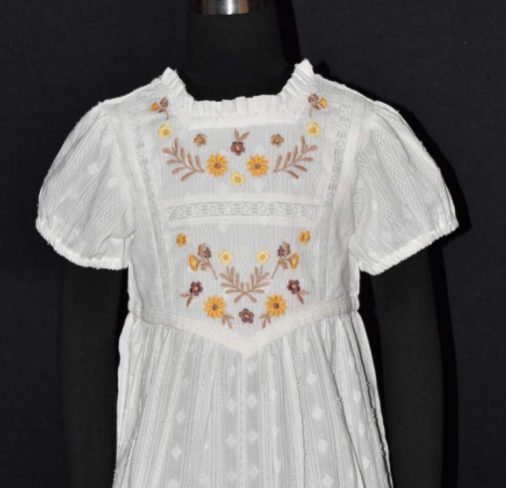
Garment exporters often have to manage manufacturing hurdles to ensure the readymade garments are market-ready. No other clothing segment faces this problem more than kids' wear. Unlike clothes for adults, kids’ wear doesn’t have universal sizing guides that work flawlessly. Manufacturers adopt a strategy that works for them, and it becomes the job of the parents to find garments that fit their children. So, manufacturers have come up with strategies to prevent these common problems and ensure kids’ clothing sizing can be made according to market standards that reduce the fuss of returns and fitting problems.
Common Mistakes in Kids’ Clothing Sizing
Using Only Age-Based Sizing
Using only age-based sizing can be very difficult for a kids’ wear market fit because kids grow very differently based on just age. In fact, kids from different places have different growing patterns, which can not accurately be acknowledged in just a single age-based sizing pattern. This problem prevents actual on-ground sales for kids’ garments.
Not Accounting for Fabric Shrink
Fabric shrinks post-wash. This makes fitting much more difficult, especially in kids’ wear, which is small to begin with. Parents often have to compensate by buying larger sizes for their kids to account for fabric shrinkage, but it just leads to uncomfortable clothes for little ones, which creates a cycle of waste.
Not Accounting Movement Ease
Without proper sizing, kids’ garments can feel restrictive. This can be one of the major problems with garments, as it leads to garments being disposed of even after purchase. As a garment export house, this can mean your garments are not market fit, leading to a worsening of trade relations with retail buyers or wholesalers.
Improper Rib or Elastic Measurements
In some cases, even if the fabric or sizing itself is not directly the culprit for sizing issues, the ribs or the elastic measurements can be. After washing, the ribs and the garment elastic also tend to lose shape and tighten; much like the other factors, this too can affect the fit of the garment and, as a result, lead to problems with the kids’ garment’s market fit.
Not Acknowledging Regional Growth Patterns
Kids in the US grow differently from kids in Australia. The top garment manufacturing companies in India understand this and must account for kids’ wear sizing that adheres to the sizing requirements of specific markets rather than a universal average. Inability to adhere to these factors can and does lead to problems with the garment’s market fit.
How Export Manufacturers Prevent Kids’ Clothing Sizing Issues
Multi-Point Sizing Guides
The age-based sizing problem is very common, and a multi-point sizing system is its best solution. Instead of focusing on arbitrary numbers like for children aged 4, this system focuses on actual measurements of the body, like height, waist, chest, and hip measurements. This system allows parents to buy clothes that can certainly fit children based on specific sizing.
Anthropometric Sizing For Kids’ Wear
Different garment markets globally have different sizing guides for both adults and children. To ensure the best readymade garments in India, fit the children in the US, manufacturers use anthropometric charts like the ASTM for the USA to ensure the garments are suited to the kids’ sizes in markets like the US.
Shrinkage Testing
This is among the easier to rectify errors in kids’ garment sizing, as manufacturers include a fabric shrinkage report with their garment samples when working with a new retail buyer. This helps buyers understand sizing and, accordingly, order sizes that they consider will best suit their customers, both before and after the fabric shrinks.
Appropriate Fabric Choices
Appropriate fabric choices, specifically ones that have proper blends to make the garments stretchable and easily fit, can help you reduce the risk of fitting problems. Apparel manufacturers in India generally tend to favour blended fabric that promotes ease of movement and comfort.
Quality Materials
Quality individual materials like elastics and ribs make a ton of difference, especially for kids’ wear. Tested elastics and accounting for rib knit shrinkage helps prevent sizing issues in kids' wear later.
Conclusion
India is among the top garment exporters globally, and apparel manufacturers in India focus a lot on ensuring there are no sizing problems in their garments. For more information about the Indian garment manufacturing industry and kids’ wear manufacturing, check out Cheer Sagar. Cheer Sagar is among the top US garment exporters in India.

Related Blog
How To Source Sustainable Linen And Cotton From India For US Startups
India is one of the world’s largest organic cotton producers. The country has also significantly stepped up their production and...
Mid-Size Export Houses Vs Large Manufacturers
Fashion startups and small brands often question whether they should start keeping MOQs in mind or focus on scalability. The...
Key Checklist For An Export House In India When Supplying UK Women’s Wear Retailers
As a textile export company in India, if you want to work as a women’s wear supplier in the UK,...