
Zero Waste Garment Manufacturing: Strategies For A Greener Industry
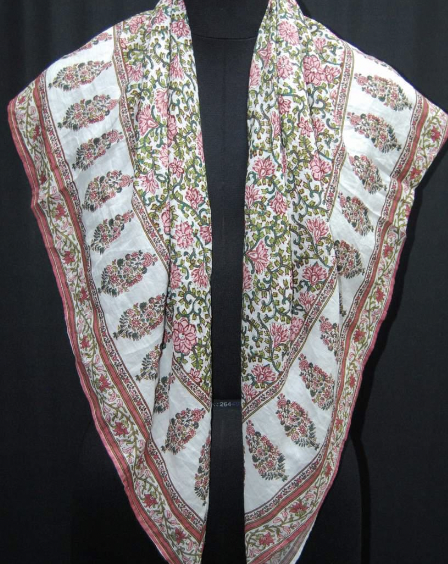
The fashion industry is witnessing a significant shift towards sustainability, with garment manufacturers leading the way in adopting zero-waste practices. These strategies aim to reduce the fabric waste generated during design, cutting, and production, which typically accounts for 15-20% of materials. Zero-waste garment manufacturing not only addresses environmental concerns but also boosts efficiency and enhances brand value.
What is Zero-Waste Garment Manufacturing?
Zero-waste garment manufacturing is a sustainable approach that minimizes or eliminates waste throughout the production process. By leveraging innovative techniques and technologies, garment manufacturers can create high-quality products while reducing their environmental impact.
Strategies for Zero-Waste Manufacturing
-
Zero-Waste Pattern Making
Using advanced design techniques, patterns are created to interlock seamlessly, minimizing leftover fabric. Many garment manufacturers use CAD software to optimize layouts. -
Repurposing Fabric Scraps
Fabric waste is repurposed into smaller products, accessories, or even recycled into new textiles. This ensures that no material goes unused. -
On-Demand Production
Manufacturing garments based on actual customer orders helps avoid overproduction and reduces fabric waste. -
Digital Sampling
By creating digital prototypes instead of physical samples, garment manufacturers save materials while streamlining the design process. -
Sustainable Materials
Opting for biodegradable or recyclable fabrics ensures any waste produced has a minimal impact on the environment.
Conclusion
Zero-waste garment manufacturing is not just an ethical choice but also a strategic one for long-term success in the industry. As consumers increasingly prefer eco-friendly brands, adopting these practices gives manufacturers a competitive edge.
At Cheer Sagar – Garment Manufacturer Jaipur, we are committed to integrating sustainable practices into every step of the manufacturing process, contributing to a greener and more responsible fashion industry.
Related Blog
What To Expect When Partnering With An Indian Clothing Export Company
India has long been a trusted destination for apparel sourcing, and apparel companies have strengthened the country's global reputation through...
What Is A BOM (Bill Of Materials) In Garment Manufacturing?
What Is a BOM (Bill of Materials) in Garment Manufacturing? Quick Answer: A BOM (Bill of Materials) as the name...
Vietnam Vs India Garment Manufacturing: Which Is Better For Your Brand In 2026?
If you are scouting for the right garment manufacturing company to partner with in 2025, you have likely...