
Best Style And Comfort Combo Tips For Dressing Kids
Whether you are living with a teenager or you have just been blessed with a bundle of joy, you will be excited to dress up your kids in the best styles that are out there. You want them to look fashionable yet comfortable in what they are wearing. The added advantage is that today’s kids can pull off almost everything that they decide to don on.
Today, fashion is not just very relevant for adults. From your little toddler to teenager, everyone has a say in what they want to wear. Why? Gone were the days when parents used to dress their kids up in the usual frocks and denim. Today, parents and kids have a plethora of options to choose from when it comes to dressing up.
Let us help you with some tips that will help you make your kid look his or her best while being comfortable.
When you dress your little one, it is extremely important to keep their basic comfort in mind. An uncomfortable child will not only be unable to pull off what you have dressed them in but also be excessively irate with the whole affair. Depending upon the occasion, time of your event, and type of party, decide to choose something comfortable yet chic from the Best Garment Export House in Jaipur.
Colors play a very important role in a kid’s look. Kids don’t necessarily need to be dressed in typical boring colors. Mix up some contrasts in colors, and give them a bold look. Very importantly don’t be gender-biased that girls wear this and boys wear that particular color. Let them pull off whatever color attracts them and they like to wear it on any occasion.
Today, there are many accessories that you can dress your kid up in, irrespective of their gender. Girls have nice turban bandanas, headbands, floral earrings, and anklets to go with their dresses or pants. Boys also have an option of hand bands, and beanies which give a nice smart look that can complete their overall look and attire.
Kids always grow out of their clothes. We have heard this statement so many times that it has become clichéd. However, it is extremely true. Kids grow out of their clothes at an alarming rate. So it is important to always go for one size bigger in their clothes without them looking weird. Don’t dress your kid up like a knapsack just because someone has advised you to get them bigger clothes.
Always dress your kid contemporary to the season. Kids need more layers than adults. If you are wearing one layer, toddlers especially need two layers. That is when they will stay warm. Winters always warrant lots of layers to ensure that they stay warm. Spring and summers can be experimental keeping in mind the sun, heat, and setting of the event you are heading to.
Now that we have given you enough tips for your little one, go grab some delightful clothes and dress them up!
What Are Types Of Thread Used In Garments Producing Company
Threads or sewing threads play a considerable role in garment manufacture and retailing. Every garment begins with a single thread. As a result, the designer should select the appropriate thread. In addition, each garment needs a unique and different sewing thread depending on the applicable requirements and the design.
Role Of Threads In The Industry
Thread is an important component of many goods we use on a daily basis. Thread is all about us, from the clothing we wear to the furniture we sit on. It’s even a component of the lunchtime tea bag. Sewing threads are commonly used to join sewed items together, and the seam quality is determined by the sewing thread quality.
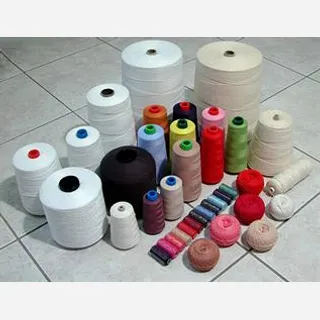
The ability to cut patterns and stitch clothing is no longer enough to complete the garment development process. However, anyone serious about fabric kinds will be familiar with thread types.
The most common types of threads used for manufacturing garments are described below:
Natural Fiber Threads:
Cotton threads are naturally the most convenient fiber used for threads. Sewability is great, with little skip stitching or kinking. Hot needles, which are a regular feature of high-speed sewing machines, have little effect on them, and they may even stitch successfully on machines that have been improperly calibrated. Cotton threads dye well, and because they conform to the cloth better than other fibers, they’re ideal for topstitched components.
Synthetic threads:
Next, we have synthetic threads, one of the industry’s most commonly used thread types. These threads were developed using nylon and polyester and were engineered to perform well over synthetic fabrics. What makes the fabric unique is that it can withstand the heat and chemicals released during press treatments. Compared to the cotton threads of the same size, these threads are stronger and more resistant to abrasion, ultraviolet radiation, and mildew.
Core spun threads:
These are other ranges of unique threads manufactured by spinning a continuous strand of polyester into a single-ply thread. Following this, the thread is later wrapped over a polyester or cotton sheath. Besides, two or four plies are twisted together to form the sewing thread, followed by coloring in the later process.
Linen threads:
This is a natural thread which also happens to be one of the earliest types of sewing thread used in the industry. Thanks to the strength it provided to the seam, it had remained a sewing tool for a long time. The thread’s tenacity made it a popular choice for stitching coarse fabric and even canvases. Linen is still used, although its popularity has decreased with the introduction of synthetic threads.
Now You Know!
When producing clothing, the fabric and pattern you choose aren’t the only factors. For example, threads are essential for flexibility, aesthetics, seam strength, sewing cycle length, and manufacturing cost.
Different threads may be required in certain circumstances. In some cases, a mix of different threads is also required. Whatever combination you choose, the quality and pricing of your purchase will be influenced by these options and your preferred stitching qualities.
Different Types Of Embroidery In Women’s Cloth In India
India has gone a long way in terms of embroidery. As fashion trends evolved, Indian Embroidery moved ahead with the industry and adapted to the new environment while remaining beautiful and refined. While each embroidery method has its unique characteristics, one thing is sure: they all create a significant fashion statement.
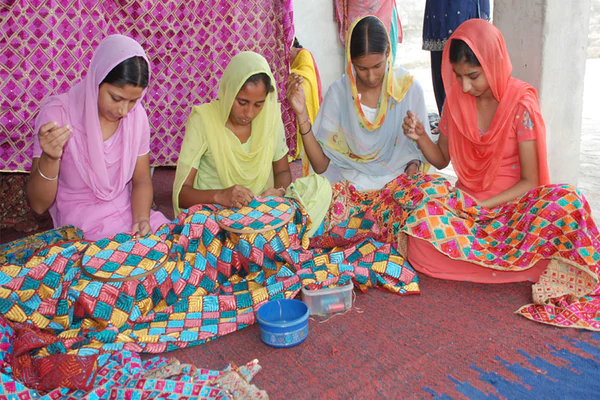
Each embroidery style has its stitches and colors, and it’s simple to tell which state they come from just by looking at them.
Let’s check out some of the different embroidery popular among women in India:
Aari Work
The Aari embroidery, which dates back to the Mughal rule, ranging back to the 12th century, is unquestionably on the list of most challenging needlework. This art style rose to prominence due to its fascinating classical patterns and floral themes.
Because a crewel helps in making delicate and concentric rings of chain stitch, it’s also known as crewel work. On embroidered sarees, Indo western dresses, Indian suit sets, and kurtis, delicate stitching produce intricate floral patterns and attractive traditional designs.
Chikan
Suppose you want to shop for embroidered cotton kurtas online. In that case, you’ll be able to discover this delicate and exquisite Indian embroidery technique, which is thought to have been introduced in India by the Mughal emperor Jahangir’s wife.
A chikankari item is made by hand blocking designs on a cloth before embroidering the entire pattern. Previously, the notion of this embroidery technique was white-on-white, which meant that white threads were utilized on white cloth.
Mirror Work
Mirror work, also known as shisha in the country, originates in the Indian states of Rajasthan and Gujarat. The design uses bright threads and little bits of mirrors distinguish it from other embroidery styles.
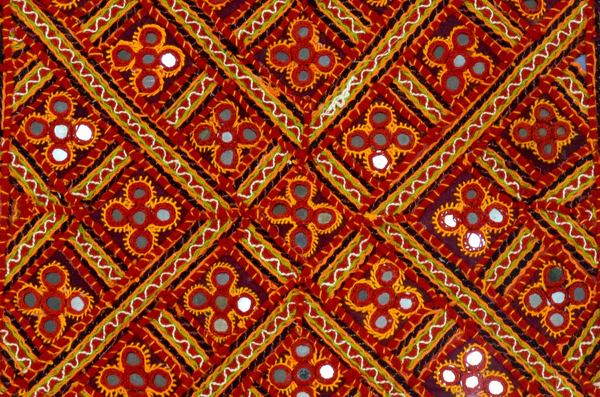
Other forms of embroidery and stitches are blended with little and large mirror pieces in this style of needlework. This embroidery technique may be seen on embroidered cotton kurtas, Indo western outfits, decorative pieces, embroidered georgette kurtis, accessories, purses, and home décor.
Phulkari
Punjab, India’s land of five rivers, has a new embroidery technique involving the brightwork of thread on thick textiles like modal, cotton, and khadi. The most popular types of this embroidery style are pachranga and meenakari, which include floral designs on cloth, as the name implies. This distinct design is frequently discovered while browsing for different embroidered cotton kurtas over different online platforms.
The design is developed on the backside of the fabric, and the front side is where the completed design takes shape. This embroidery technique stands out from the others because of the juxtaposition of bright and light colors used.
Kantha
This is one of the classic embroidery techniques in India’s eastern regions, having origins in traditional folk art. It was traditionally used for silk sarees and soft dhotis. Still, it can now be found in georgette kurtas and embroidered cotton, Indo western outfits online buying, bed coverings, wall hangings, and upholstery.
A simple running stitch is utilized along the edges, and the thread is frequently taken from the used cloth’s border. The main textile patterns and designs used in this brilliant colored embroidery technique are quirky and intriguing motifs of animals, flowers, birds, and everyday activities.
Now You Know!
Embroidery is an art that you can wear, as you undoubtedly well know. You have many options based on the fabric you choose, the type of stitch you use on it, the motifs you employ, and the colors of threads you use in those motifs.
Every detail in every needlework conveys a narrative, from the texture to the pattern, the color to the cloth. So whether you select Phulkari or Zardosi, Gota or Kashmiri, it should be noted that embroidery never goes out of style when it comes to creating a stylish statement.
What Are The Manufacturing Steps To Follow While Making Women’s Cloth Assurance?
Making women’s clothing is one of the biggest challenges that most manufacturing units and fashion houses encounter. If there is a slight mistake, the entire dress will get ruined, and you won’t be able to circulate them in the market. This is why you need to follow a proper manufacturing process for women’s clothing to achieve the best results.
In this article, we have shared some insights into the entire women’s clothing manufacturing process with which you can establish both high quality and quantity.
The first thing you need to work on is the raw materials. From different fabrics to yarns, thread rolls, sewing machines, needles, and other materials need to be collected so that you won’t have to worry about delays in the production process later on. While gathering the raw materials, you must ensure that your chosen vendors or suppliers are trustworthy and reliable. They must offer the best products but at an affordable price so that you can easily manage the manufacturing and production budget.

Based on the clothing designs, a layout needs to be prepared. In earlier days, the layouts are cut out from cardboards. But as the process is time-consuming and isn’t efficient for creating complex designs, most manufacturing units use software to complete the entire design. Post scaling, the prints are taken, and then they are used to mark the layout on the fabric.
You need to cut down the fabric yarn into multiple pieces having the same dimensions. Now, place these pieces one above the other in the form of layers. Keep the layout over the top fabric piece and mark the outline. Once done, you have to place pins along the border to ensure that the fabric units won’t construct while cutting.

Use sharp, long scissors that can easily cut multiple fabric places without putting too much strain on your hand. Follow the path of the pins so that you won’t make any wrong cuts and ruin the entire stack of fabric units. For cutting difficult sections, use extremely sharp scissors to create smooth cuts.
The next step is printing on the fabric units or doing the embroideries. Printing can be done in many ways, like block printing, press prints, etc. Press prints are usually done for larger images, while block prints are more precise. Embroideries also need to be done at the same time. It can be done through stitches, patchworks, and so on.
The main step of manufacturing women’s cloth is sewing. First, all the bigger pieces are sewed together using the matching thread. Once the framework is done, the small units are stitched until the entire structure is obtained. It is during this time that the tags are attached.
Laundry and pressing
The clothes are then washed properly to allow the fabric to shrink before they can mark the size. After this, ironing is done before the clothes are packed and shipped to the desired location.
In the above description, we have explained the entire process to follow for manufacturing women’s clothes with high-quality construction and the latest designs suggested by the fashion houses.
Is It Better To Manufacture In China Or India?
China has always been the biggest player in the global textile manufacturing industry. But recently, India took its game up by several notches and has started to develop the textile manufacturing processes and machinery units to increase production, improve quality, and earn a quick turnaround. Owing to the head-on competition between the textile manufacturing industry of these two countries, it cannot be easy to choose.
If you end up selecting the wrong country, your clothing business will suffer huge losses, but it will also impact your market reputation and share. This is why before you choose, it’s better to know the differences between the Indian and Chinese textile manufacturing industries that we have discussed in this section below.
There is no denying that the Chinese manufacturing market is bigger than the Indian market, both in terms of labour and revenues. Several reasons explain why China is still holding the tag of the largest textile manufacturer in the world. For instance:
-
The Chinese labour force in the textile manufacturing industry is much bigger than India’s.
-
In China, the number of manufacturing units is huge. On the contrary, India is yet to reach that stage.
-
The Chinese manufacturing market has adopted global styles and preferences. Hence, the country was able to tap into the global market. On the other hand, India hasn’t fully adopted the recent global textile manufacturing and fashion industry trends.
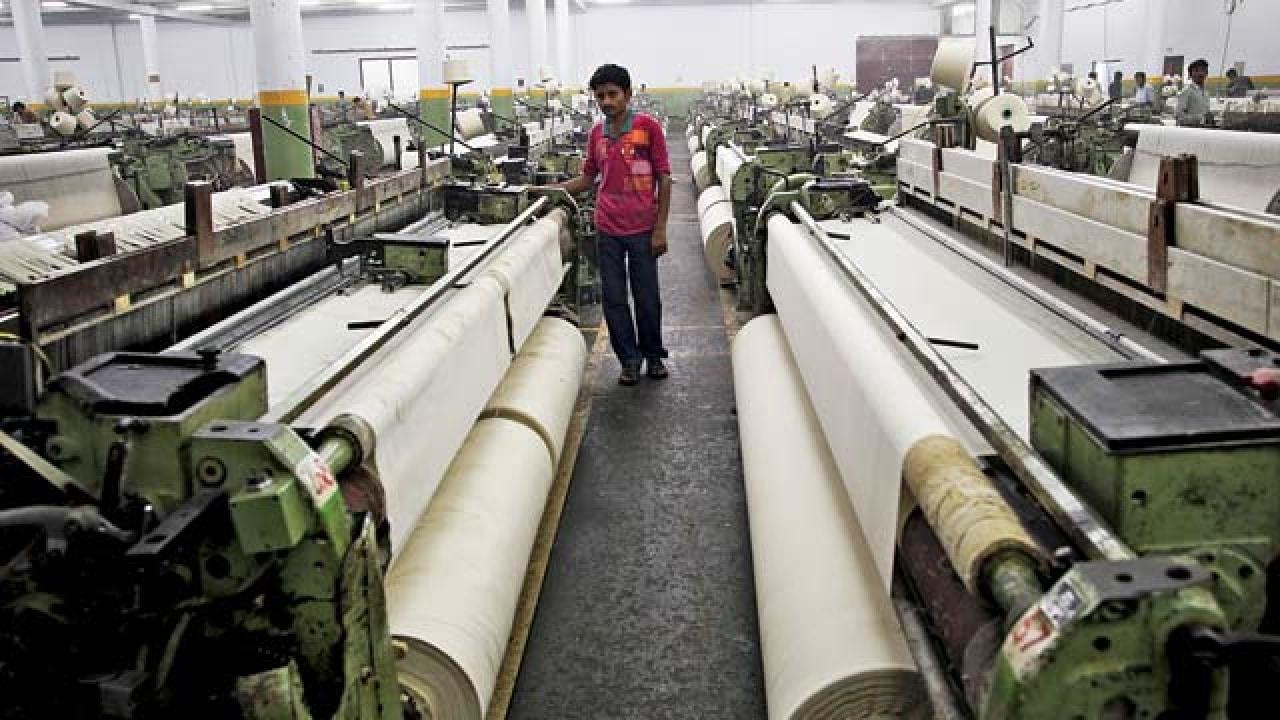
The manufacturing costs and overhead expenses will always be more for overseas services than the home companies. This is why initiating a manufacturing deal with a Chinese textile manufacturer will be much costlier than the Indian manufacturer. Also, you do need to consider the overheads like shipping costs, raw material costs, transportation costs, and more. India will be a much better option if you want an affordable manufacturing service than China.

Logistics include transporting the raw materials to the manufacturing units and then the finished goods to the docking yard. Once the goods arrive at the docking yard, it involves shipping. When choosing an Indian textile manufacturing company, you won’t worry about complex shipping procedures. However, the roads and other modes of transport are not as efficient as the Chinese transportation network. Therefore, the complexity and costs of logistics will be higher in India than in China.

China has been manufacturing different types of textile for a long time. Therefore, the companies are way more experienced than the Indian manufacturing companies. Besides, Chinese professionals have proper expertise in using cotton, silk, nylon, polyester, wool, jute, muslin, and more.
The manufacturing process of the Chinese government is way more advanced than the Indian government. It is mainly due to the inclusion of state-of-the-art technologies and equipment pieces used to manufacture several fashion products using various textiles.

Both the countries have managed to upscale their manufacturing industry and improve the overall productivity and performance. However, the protocols and manufacturing expertise will vary from one country to another. Therefore, you must tally both before settling down with either option.
Know Indian Fabrics & Its Quality Assurance
Maintaining a high-quality standard in any sector or firm is essential to boost sales and reputation. Export businesses, in particular, must maintain a high standard of quality to succeed on a worldwide scale. As a result of the prestige of exporting, quality control criteria for export tend to be more stringent. As export companies provide revenue for the government in the form of foreign currency, they must ensure the quality of their goods.
Quality control is conducted throughout the garment manufacturing process, from the procurement of raw materials through the final produced garment. These goods are judged on fibers and yarn, surface patterns, colour fastness of the completed garment products, and fiber and yarn quality. Export quality requirements are influenced by the types of customers served and the retail locations where products are sold.

The garment business’ quality fitness depends on various elements, including performance, durability, dependability, aesthetics, and considered the quality of the garments themselves. Regulatory and international quality programs like ISO 9000 series set out the broad quality standards firms use to maintain export quality in the fabric and apparel sector. – Cost must be taken into account while defining quality.
Fabric Sourcing
Garment producers may run into issues while trying to locate certain textiles. As a result, taking steps to prevent issues should be prioritized. Powerlooms, mills, and handlooms are the primary sources of cotton textiles for garment exporters. The garment exporters face specific challenges in each of these industries.
When buying cotton from the handloom sector, it’s possible to run into several issues, such as sizing, colour variations, inconsistent supply, and uneven weaves. On the other hand, Handlooms are a significant source of thicker cotton. In power-loom cotton procurement, broken ends, reed markings, variance in breadth, thick and thin spots, and the enormous range in pricing are prevalent issues.
The biggest challenge in obtaining mill-made cloth is keeping up with the enormous demand. Apparel exporters are concerned about how long it takes to produce their fabric orders, which must be placed well in advance. Modest-scale exporters have difficulties because mills are reluctant to accept small orders.
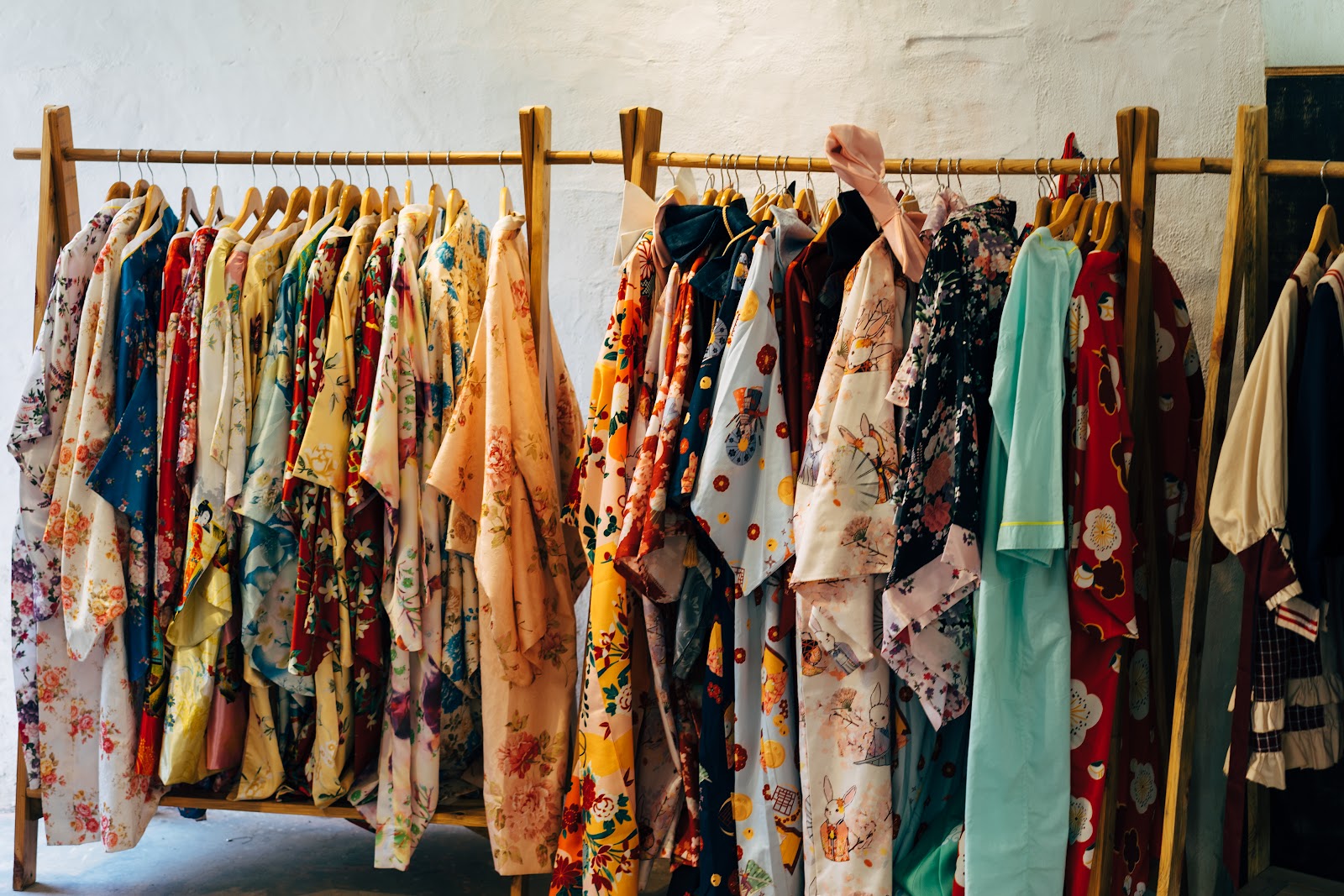
When it comes to fabric sourcing, it’s not only cotton affected. There are a variety of issues that silk garment exporters must deal with. A few issues that silk garment exporters may encounter include:
Imports of silk yarn in the requisite quantity have been delayed because of a lack of supply.
Fabrics like silk, which are particularly susceptible to staining throughout the production process and subsequent operations like stocking, must be handled with extreme care to avoid rejection.
Garment Exporters Should Follow A Few Simple Rules Of Thumb
Several tactics and guidelines must be followed to be a successful garment exporter. Garment export businesses must consider many factors, including product quality, fabric quality, shipping, packing, and pricing and presentation. Here are a few guidelines to follow for clothing exporters:
-
Exported goods cannot be sold worldwide with excuses for poor quality or lack of attention to detail. New and established exporters must employ design, technology, and quality as essential up-gradation tools.
-
In addition to the quality of the clothing, the price, packaging, shipping, etc., must also be considered.
-
The catalog garments must match the actual clothes sent to the customer.
-
If you fail to deliver on your commitments to the customer, you risk alienating them, losing revenue, and ruining your reputation.
-
Every stage of the global market needs quality assurance.
-
High-quality labels and paperwork are other vital items to consider since these things also help to make a favorable impression.
-
The quality and timely delivery of clothing are equally important.
Conclusion
An essential part of today’s competitive garment export company is defining quality. Technology is driving global standards in clothes, and large purchasers use it as a baseline for their products.
To avoid rejecting good products because of a lack of tolerance for product competency, it is essential to maintain a healthy balance between standard slackness and rigidity. As a result, clothes must be tested for quality by international standards to be exported.
How Are Custom Clothes Different From Ready Made Clothes?
Everyone loves to have different types of clothes to diversify their wardrobe, starting from casual denims to elite Armani suits or party gowns. With global fashion houses supplying clothes worldwide, everyone has the opportunity to try garments representing various cultures. For example, traditional Caribbean dresses are now accessible in countries like Malaysia, India, and Australia. Similarly, Indian sarees have become popular worldwide, with people of different ethnicities showing eagerness for this clothing.
Due to this increasing demand, manufacturers are compelled to introduce two distinct lines: readymade and custom-designed. While readymade clothes use basic sizes and patterns for direct sale, a custom cloth manufacturer builds garments based on specific order requirements. This sector is booming; the Indian custom-made clothing market is projected to reach a significant size by 2029, growing at a compound annual rate of approximately 10.5%.
In this article, we compare how these two apparel lines differ across several key aspects.
Designs and Patterns
With readymade clothes, designs and patterns are often limited to meet mass-market appeal. For example, while bell-sleeve dresses are common in retail, adding unique layers or specific flare-outs is typically only possible through a custom order. Furthermore, for special occasions like weddings, a custom cloth manufacturer can incorporate personal touches like embroidered names or specific texts that are not feasible in bulk-produced readymade lines.
Popularity and Market Presence
Readymade dresses currently dominate the market because they have been in circulation longer and offer incredible ease of shopping. However, custom dresses are gaining ground. India’s apparel market is projected to reach $190 billion by 2026, with the custom segment benefiting from a rising consumer desire for personalization. It is only a matter of time before custom-designed clothes gain popularity comparable to readymade ones.
Size and Fabric
Readymade dresses often lack a perfect fit because sizes are generalized. This frequently requires alterations that are unnecessary for custom clothes. When ordering through a custom cloth manufacturer, you can adjust the fit for maximum convenience. Additionally, the fabric quality is often higher for custom garments, as you can select premium materials that might be bypassed in bulk manufacturing to save costs.
Style Statement
Custom clothes are the epitome of fashion statements because they allow for personal design inputs that stand out. In contrast, uniqueness is hard to find in readymade clothes because a single style is produced in bulk. This is why many individuals looking for a unique identity are turning toward tailored solutions rather than mass-produced “fast fashion.”
Cost of the Apparels
The cost of custom clothes is generally higher. A manufacturing house must specifically procure your chosen material, and skilled workers must develop a unique structure per your liking. These additional efforts and high-quality materials justify a higher price point compared to standard readymade items.
Conclusion
In today’s time, apparel is not just a necessity; it is a tool for making impressions. People love how the right clothes make them feel beautiful and confident. As the demand for high-quality, personalized apparel escalates, understanding the differences between readymade and custom clothes becomes crucial. Whether you seek the convenience of mass-produced fashion or the precision of a garment manufacturer, choosing the right partner ensures your wardrobe remains lovable. For those seeking the perfect blend of quality and style, Cheer Sagar stands ready to help you navigate these choices and find the best apparel for your unique needs.
How To Climb The Ladder In Apparel Production- The Key Factors
So, you are thinking of starting your own fashion business or opening your boutique. You might be excited and full of energy but nervous and expiring an adrenaline rush into your body, right?? Well, this happens to everybody who wishes to try his/her luck in a new sector especially the apparel or fashion industry. But the immense opportunities in the present market and the requirements of less capital intensive with a high investment turnover ratio are making investors put their money in garment manufacturing. However, investing in the apparel or fashion clothing business does not guarantee success. Millions of young enthusiasts dream of getting success in apparel production but only a few of them end up making remarkable careers. It requires a perfect combination of hard work, patience, creativity, and passion.
So, what are the parameters to get success in the apparel industry? How to climb the ladder in apparel production? Let’s find out:
-
Know About Your Industry – The foremost step towards ensuring success in apparel production is to conduct deep and thorough research about your area of niche. Look at already established company’s strategies and tricks they use. You can read out research journals, blogs, and publications to get knowledge of the latest trends and consumer tactics.
-
Consider Modern Technology Tools – Automated machines with different types of modern technologies have become an essential part of running a successful apparel business as it improves product quality and sustainable growth. Be it reducing physical manpower, labor cost, breakdown and inventory control or better quality, and energy-saving, technology is not related only to high-tech machines but also application of the software.
-
Ensure Sufficient Use of Human Resources – Human resources are an important part of any labor-intensive industry and the apparel industry is not an exception. It is impossible to expect or produce a quality product without a well-trained workforce. By keeping the importance of training human resources, many fashion & apparel companies are employing standard methods of training to impark technical skills and improve performance in labors for production.
-
Customer-centric Approach – Customers are no more related only to the service sectors, they are now closely related to the apparel production industries. You should not only be careful about manufacturing the right product at the right time but also need to incorporate the flexible and quick query resolution management of customers to tackle different complaints such as changing and payment requirements etc.
-
Improve Your Connections – To strategize your market plan that identifies your targeted customers, relevant contact making is essential. Any start-up or established industry needs to build networks and connections with different people. These connections are crucial to fulfill the needs of the company and help the business grow.
-
Keep An Eye On Your Competitors – Knowing and keeping yourself updated with your competitors help you incorporate necessary policies and strategies for growing your business. You need to find out who your direct or indirect competitors are and figure out ways to cope up with them. You can study their business models, targeted customers, and advertising strategies, etc.
In the end, it is your hard work, advanced planning and critical thinking are the ones that can decide the length of your journey in the industry. For any fashion or apparel industry, the above-mentioned points are vital for success.
Top Fashion Trends Ruling In 2021
Summer is one of the favorite seasons across the year when females showcase their fabulous attire and become eye-candy for the crowd. However, it is interesting to note that fashion changes with each passing day, which is why the fashion industry experiences a rollback of old fashion.
Females commonly fall in love with every outfit they see for the first time. However, this brings the problem of selecting the best-fit, cozy and adorable outfit for you. The best way to find the wardrobe’s garments is to follow the fashion trends that are currently ruling for a long time.
Most manufacturers focus on the trend to bestow some amazing outfits for the ladies. Private Label Clothing Manufacturers takes care of the trend to ensure all trend formats are covered, and you get a broad range of buying options.
This article will help you with the popular and trending outfits that you can add to your closet.
Old is Gold: Yes, you get it right! The old fashion is now rolling back on the streets, and many famous personalities are caught in the spotlight with 90’s fashion outfits. From top to toe, the 90’s fashion is adopted, proving its comeback in the current era.
Maxi-length cardigans, square-toe boots, and the sheath dress can be easily seen on the streets. The old-fashioned full-length jacket with a polo t-shirt is yet another example that proves the comeback of 90s attire.
Saturated Color Options: With the season, the color scheme does change as it affects the body. However, one common fashion trend that is experienced in the year 2021 is saturated color options. Currently, the vibrant colors are still in trend and in high demand.
However, one strange thing to notice is mixing different color schemes to make something new that makes you stand out of the crowd. Some common color options are bright blue, marigold, peachy orange, etc.
Loose Fit Denim: Denim is one of the everyday outfits that never gets outdated. Instead, it comes back to the market with a minor change in design, pattern, or color scheme. Moreover, denim pants are always a trend for everyone. Currently, loose-fit denim is the ongoing fashion that takes you back in time. Yet, it is a ruling trend that is attracting significant customers globally. Slim-fit t-shirts or cropped sweaters are a good match with loose-fit denim.
Sweater Vests: It seems a bit weird for some, but the truth is sweater vests popped out in the fashion industry in 2020. Since then, people are loving it and have adopted it as a trendy fashion.
You can wear it with a full sleeve t-shirt or formal shirt. However, you can only wear it during the winter or autumn season. Many people also wear it with nothing beneath it (only a bra). With time as the temperature moves down, you can add a shirt/t-shirt beneath the sweater.
Two-Piece with Bare Midriffs: Undoubtedly, one piece is always a consideration by the ladies, but two-piece has retained its position in the market. Women with bare midriffs can be seen easily in the market that proves their presence nowadays.
With this outfit, some ladies are going bold to show maximum midriffs and outrank the competition in the fashion industry. However, most ladies maintain the decency with small bare-midriffs that are only visible when you move.
Printed Palazzo: Palazzo are the common outfit for ladies as they fit all occasions/functions. Still, printed palazzo are the unique garment category that gives you a funky look. Printed palazzo may include patterns, swatches, or other tailored designs for a mid-age women category. Above the printed palazzo, you can wear a plain t-shirt or a light-colored sweater.
Puffy & Quilted Handbags: Handbags are a common accessory that has become common for women. However, puffed or quilted handbags are a special design that is in high demand from 2020. Today, it has become a must-to-own accessory that you can’t deny. Instead, it beautifies your traditional outlook to the next level. Remember, mid-sized handbags are good to match the ongoing trend.
Lavender Color Theme: Yes, you might think of it as something uncommon, but lavender is a particular color option that is in trend this year. It is a light color that is being considered by top brands with numerous outfit offerings in the market. The color is available in various ladies’ garments available nowadays.
So, these are the common yet highly trending fashion formats that are popular among ladies. Most of you already own some of them in your closet. However, you should note that there is no point in adding all these options to your wardrobe. Instead, you should choose a few that fit your budget and match your personality.
Fashion changes but what remains the same is your collection and a few trends that come back with time.
How To Export Apparel In Bulk From India To UAE?
How to Import Clothes from India to UAE: A Complete Guide
India has established itself as an important destination for clothing exports, supplying a wide variety of garments to international fashion markets. Its diverse textile heritage, skilled craftsmanship, and range of clothing designs make it an attractive sourcing destination for fashion businesses worldwide.
One of the major advantages of sourcing garments from India is the variety of styles available. Buyers can choose from traditional Indian outfits, contemporary western wear, and fusion apparel that combines elements of both cultures. Indian manufacturers also offer different fabric options, embroidery styles, and customisation possibilities to meet the requirements of international fashion brands.
For UAE-based retailers, wholesalers, and fashion businesses, importing clothes from India can be a practical way to develop a diverse clothing collection while benefiting from competitive manufacturing costs.
However, before placing an order with Indian clothing manufacturers or exporters, it is important to understand the basic requirements involved in the import and export process. Here are some important factors to consider.
1. Complete the Necessary Business Registrations
Before starting the import process, ensure that your business has the necessary registrations and licences to conduct international trade.
As a UAE-based buyer, you should have an established business with the appropriate trade licence and tax-related registrations required for your business activities.
Similarly, the Indian exporter must have the necessary registrations and documentation to export garments from India. The applicable requirements may vary depending on the nature of the products and the businesses involved.
Completing the required formalities beforehand can help avoid unnecessary delays during the shipment process.
2. Choose the Right Clothing Manufacturer or Exporter in India
Finding the right supplier is one of the most important steps when importing clothes from India.
Not every garment manufacturer specialises in the same category of clothing. Some manufacturers focus on western wear, while others specialise in ethnic clothing, fusion apparel, sarees, kurtis, or contemporary women’s wear.
Therefore, select a clothing exporter based on the requirements of your business and the type of collection you want to introduce in the UAE market.
Before finalising a supplier, consider the following factors:
- Fabric quality: Check the quality and suitability of fabrics used in garment production.
- Product range: Ensure that the manufacturer offers the clothing categories you need.
- Size specifications: Discuss available sizes and measurement requirements.
- Customisation: Check whether the manufacturer can develop custom designs and private-label collections.
- Production capacity: Make sure the supplier can fulfil your required order quantities.
Selecting a manufacturer that understands your product requirements can make the sourcing and production process easier.
3. Understand Minimum Order Quantities (MOQs)
Before confirming an order, discuss the minimum order quantity (MOQ) with your selected garment manufacturer.
MOQ refers to the minimum quantity or order value that a supplier requires before accepting and processing an order.
For example, one manufacturer may require a minimum order of 200 garments, while another may accept orders based on a minimum purchase value of INR 50,000.
These requirements differ from one supplier to another depending on their production capacity, manufacturing processes, and business policies.
If you are a new fashion retailer or want to test the demand for Indian clothing in the UAE market, consider working with a manufacturer that offers manageable minimum order quantities.
Discussing MOQs in advance will help you plan your purchasing budget and avoid misunderstandings during order confirmation.
4. Arrange the Required Import and Export Documents
Documentation plays an important role in international garment trading. Both the Indian exporter and the UAE-based importer need to ensure that the necessary paperwork is available before the shipment is dispatched.
Depending on the shipment and applicable trade requirements, documents may include:
- Business registration and trade licence details
- Applicable export registration documents
- Commercial invoice
- Packing list
- Shipping and transport documents
- Other documents required for customs clearance
Make sure that all documents contain accurate business, product, quantity, and shipment details.
Missing or incorrect paperwork can create delays during customs processing and may result in additional charges or other complications.
It is advisable to coordinate with your supplier and shipping partner to understand the documentation required for your particular shipment.
5. Complete the Customs Clearance Process
Once the garments are ready for dispatch and the necessary documentation has been prepared, the shipment must go through the applicable customs procedures.
Customs clearance is an essential part of importing and exporting goods. The relevant authorities check shipment details and supporting documents before granting the required clearance.
The Indian exporter must complete the applicable export formalities before the garments can be dispatched by air or sea. Similarly, the UAE importer must fulfil the relevant import requirements to receive the shipment.
Make sure that all required documents are in place and that the customs procedures are completed before arranging the final transportation of your garments.
Working with an experienced shipping or customs clearance partner can help make this process more organised.
Build Your UAE Fashion Collection with Indian Garment Manufacturers
India offers a wide selection of clothing styles, fabrics, and manufacturing options for businesses looking to source garments internationally.
For UAE-based fashion retailers, wholesalers, and clothing brands, sourcing from Indian manufacturers can provide opportunities to develop collections across different clothing categories, including western wear, ethnic apparel, fusion clothing, and customised designs.
However, successful garment importing requires more than simply selecting products and placing an order. You need to choose the right supplier, understand minimum order quantities, arrange the necessary documentation, and complete the applicable customs procedures.
With proper planning and a reliable manufacturing partner, you can establish a smoother sourcing process and build a diverse clothing collection for your UAE customer