
How To Choose A Clothing Manufacturer
How to Choose a Clothing Manufacturer: A Complete Guide for Fashion Brands
Choosing a clothing manufacturer is one of the biggest decisions a fashion brand makes. Get it right, and you have a reliable partner who helps you grow. Get it wrong, and you deal with missed deadlines, poor quality, and frustrated customers. This guide walks you through what to look for, where to look, and how to shortlist the right partner step by step.
Your manufacturer turns your designs into real products. If they don’t understand your vision or can’t deliver consistent quality, your brand suffers – no matter how good your designs are.
The clothing industry is one of the most promising sectors to build a business in, but it comes with real challenges. Setting up a clothing line takes more than a good idea; it takes the right partners to bring that idea to life. This is especially true if you’re producing custom clothing, where there’s very little room for error. A manufacturer working on custom pieces needs to be skilled and genuinely understand your vision – not just follow instructions.
Choosing the right manufacturer is one of the most essential steps in starting a clothing company. It’s a decision worth slowing down for.
Key Takeaway: A clothing manufacturer isn’t just a vendor who cuts and stitches fabric; they’re a partner whose work directly becomes your brand’s reputation. Treat the selection process with the same care you’d give to hiring a key team member.
Before you contact a single manufacturer, know exactly what you need. A clear brief saves time and helps you talk only to manufacturers who are actually a fit.
Before you even start comparing manufacturers, get your requirements set in stone. Flexibility can come later; what you need first is a solid, specific idea of what you’re asking a manufacturer to produce. This saves you time because you’ll only be reaching out to businesses that genuinely match what you need, instead of contacting every manufacturer you can find and seeing what sticks.
In short, you’ll need to choose between working with a domestic manufacturer or sourcing from another country. Each path comes with its own trade-offs, so base your decision on quality, finance, and how well it lines up with your brand’s ethics.
If you’re looking for a clothing supplier, one of your first decisions is whether to work with a domestic manufacturer or source from manufacturers in other countries. Neither option is automatically the “right” one; each comes with its own set of benefits and drawbacks. The best way to decide is to weigh your priorities around quality, budget, and the business ethics you want your brand associated with, and let that guide your choice.
In short: There are four practical ways to start your search: industry events, manufacturer directories, search engines, and industry groups on social media. Most brands end up using a mix of all four.
1. Attend Industry Gatherings and Trade Shows
Don’t shy away from industry events. Attending trade shows and gatherings does more than help you find a manufacturer directly – it lets you present your startup on a bigger stage and connect with people who know other people in the industry. Many good manufacturer leads come through these kinds of introductions.
2. Go Through Manufacturer Directories
Clothing manufacturers are often listed across different business directories. Once you find some that look promising, you can call or email them directly and move on to the next steps getting quotations, requesting samples, and eventually placing orders.
3. Use Search Engines
This one won’t surprise you: search engines like Google are a hub for local and international businesses, and they can help you find manufacturers that fit your budget and style needs. One thing to keep in mind, though – many manufacturers don’t update their websites often, so you may need to sift through a few results before finding accurate, current information.
4. Check Industry Groups on Facebook
Facebook groups are often full of industry experts across different categories. These communities can connect you with supportive businesses that are willing to give back, answer questions, and point you toward the right manufacturer for your brand.
Key Takeaway: Cast a wide net when you’re searching. Trade shows and directories tend to surface manufacturers who are actively looking for new brand partners, while search engines and Facebook groups are useful for background research and word-of-mouth recommendations.
In short: Once you have a list of possible manufacturers, evaluate them on six things: communication, certifications, sustainability practices, production capacity and MOQ, ethical work practices, and location.
1. Value Communication Skills
You want to work with a manufacturer, but how interested are they in working with you? This is one of the most common problems brands run into. Pay attention to how much interest the manufacturer shows in your project and your vision, and how responsive they are to your questions. Clear communication, shared interest, and professionalism are essential for a partnership to work well.
2. Learn About Their Certifications
Certifications and quality assurance guarantees matter when you’re evaluating a manufacturer. Various independent and government bodies award certifications to top manufacturers. Learning about a manufacturer’s certifications tells you a lot about their market positioning and brand value, information that will factor into your final decision.
3. Understand Their Approach to Sustainability
Sustainability is a topic you and your manufacturer need to be aligned on. Depending on your requirements, your manufacturer should be able to work with organic fabrics, dyes, and chemicals that keep your products as eco-friendly and carbon-neutral as possible. If sustainability matters to your target audience, this isn’t an area to compromise on.
4. Check Production Capacity and Minimum Order Quantities
Market demand grows over time, so you need to understand a manufacturer’s production capacity before you sign on with them. This helps you avoid supply bottlenecks down the line and grow your business without unnecessary friction. It’s equally important to check their minimum order quantities (MOQs) – a lower MOQ gives you room to experiment with new products before committing to a full-scale launch.
5. Find Out If They Follow Ethical Work Practices
No brand wants its clothes made by workers who aren’t fairly paid for their labor. Ethical work practices should be non-negotiable if you want your brand to genuinely stand behind its values. Talk to potential manufacturers about their workplace practices directly, and visit their production facility in person if you’re able to.
6. Weigh Business Location and Logistics
Location and logistics matter more than people expect. A manufacturer based closer to your business headquarters tends to make for a smoother working relationship, and it also helps cut down the logistical costs of shipping finished products from their facility to yours.
Key Takeaway: No single factor on this list should be a dealbreaker on its own. Weigh communication, certifications, sustainability, capacity, ethics, and location together to get a full picture of whether a manufacturer is the right long-term fit.
In short: Notice that pricing isn’t part of the evaluation criteria above. That’s intentional – product quality should matter more to your brand than the price difference between manufacturers.
You may have noticed that the list of evaluation factors above doesn’t mention pricing. That’s on purpose. Finding the right partner for your business should be about more than the lowest quote. As a clothing brand, product quality matters more than the pricing gap between different manufacturers — a cheaper manufacturer that can’t consistently deliver quality will end up costing you more in the long run, through returns, rework, and lost customer trust.
Cheer Sagar works with fashion brands looking for a clothing manufacturing partner in India. If you’re exploring the apparel industry and evaluating custom clothing manufacturers, Cheer Sagar is one option worth including in your research as you go through the steps above.
-
I have a clear, specific brief of what I need — not a vague idea
-
I’ve decided between domestic and international sourcing based on quality, budget, and ethics
-
I’ve searched trade shows, directories, search engines, and relevant Facebook groups
-
I’ve assessed how responsive and communicative each shortlisted manufacturer is
-
I’ve asked about certifications and quality assurance guarantees
-
I’ve discussed their sustainability practices and fabric/dye sourcing
-
I’ve confirmed production capacity and minimum order quantity (MOQ)
-
I’ve asked about ethical work practices, and visited the facility if possible
-
I’ve factored in location and logistics costs
-
I’m evaluating based on quality first, not on price alone
Choosing a clothing manufacturer takes time, and that’s okay. Get your requirements clear, search in the right places, and evaluate each option on communication, certifications, sustainability, capacity, ethics, and location, not just on price. A manufacturer who checks these boxes will help your brand grow with fewer headaches along the way.
Ready to talk to a manufacturing partner? Get in touch with Cheer Sagar to discuss your requirements.
What is a clothing manufacturer?
A clothing manufacturer is a business that produces garments for a fashion brand, from sourcing fabric and cutting to sewing, finishing, and preparing the final product for sale. Brands rely on manufacturers to turn their designs into real, sellable clothing.
How do you choose a clothing manufacturer?
Start by getting clear on your product requirements. Then evaluate manufacturers on communication and responsiveness, certifications, sustainability practices, production capacity and MOQ, ethical work practices, and location and logistics rather than choosing based on price alone.
How do you find clothing manufacturers?
Four practical starting points are industry trade shows and gatherings, manufacturer directories, search engines, and industry-focused Facebook groups. Most brands use a combination of these to build a shortlist.
What should you ask a clothing manufacturer?
Ask about their certifications and quality assurance process, their sustainability practices around fabric and dye sourcing, their production capacity and minimum order quantity, and their workplace and labor practices.
What is MOQ?
MOQ stands for minimum order quantity, the smallest number of units a manufacturer will produce in a single order. A lower MOQ gives a brand room to test new products before committing to a full-scale production run.
Should I choose a domestic or international clothing manufacturer?
There’s no universal answer; both options come with their own benefits and drawbacks. Base your decision on what matters most to your brand: product quality, your budget, and the business ethics you want associated with your label.
Why is communication important when choosing a manufacturer?
A manufacturer’s responsiveness and interest in your project are early signals of how the partnership will work in practice. Clear communication and shared professionalism make it easier to align on your vision and avoid costly misunderstandings later.
Should price be the main factor in choosing a manufacturer?
No. Product quality should weigh more heavily than the price gap between manufacturers. A lower price from a manufacturer who can’t deliver consistent quality often costs more over time through rework, returns, and lost customer trust.
Why does production capacity matter when choosing a manufacturer?
Knowing a manufacturer’s production capacity before you sign on helps you avoid supply bottlenecks as demand for your brand grows, so your business can scale without production becoming the limiting factor.
A Step By Step Guide On How To Start A Clothing Line
Every well-known brand has a backstory. For example, a garment brand that now dominates department shops may have started as a tiny business conducted out of the living room of a budding fashion designer.
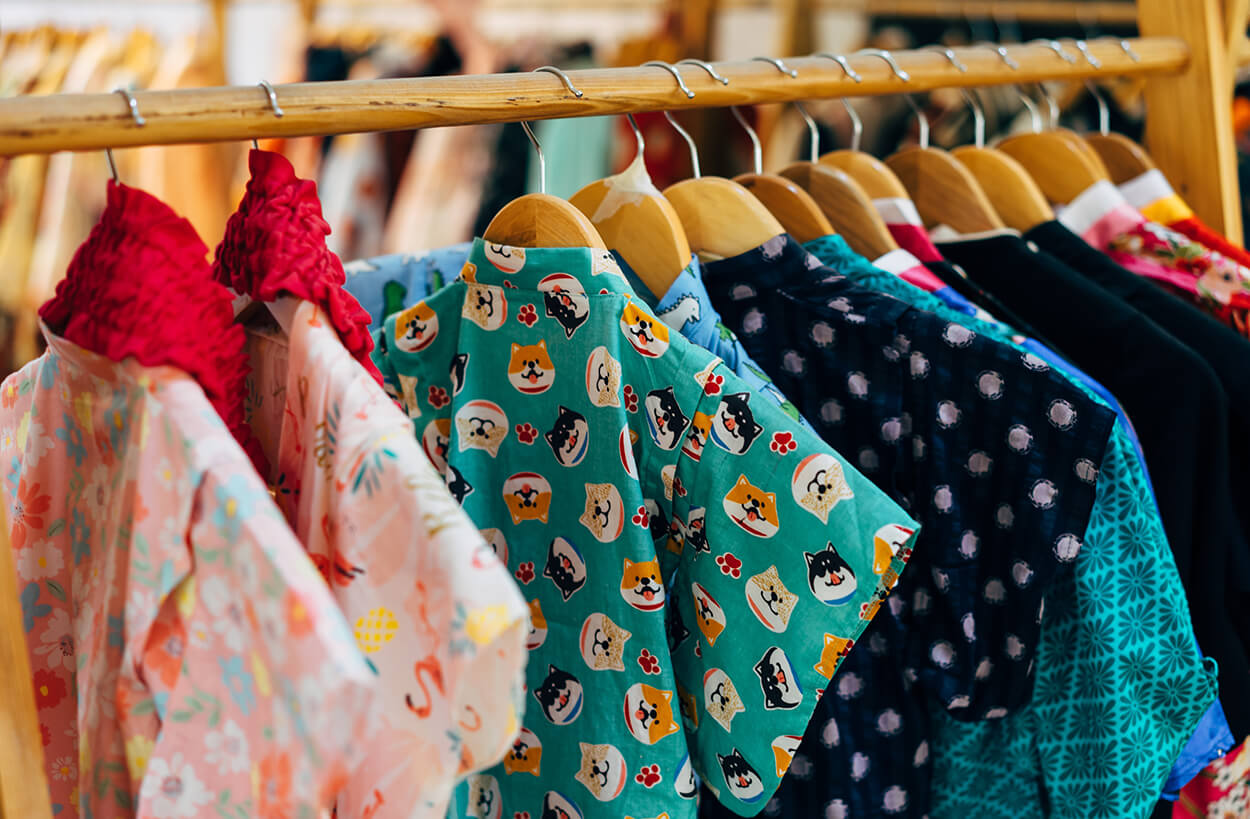
While starting your clothing line is complex, with the help of e-commerce and internet marketing, you could be able to transform a brand that started as a modest online store into a nationally recognized clothing line.
While starting your own clothing business can be an overwhelming experience, it can also be challenging! Starting in an unknown industry without any idea can be uncertain for your future. Therefore, before you jump in headlong, here’s a step-by-step approach.
Steps To Get Started With A Clothing Line
- Craft Ideas for your clothing line
Remember, your brand is your identity and your design idea before the public. So while you’re at it, ensure that it gives a clear idea of the best attributes that your company will be giving out to the public.
While crafting ideas for your clothing line, remember that clothing is highly personal!
- Choose your business model
Before moving ahead with the later steps, it’s essential to consider the thoughts behind your first design launch. This would specifically be your first approved design.
To get it completed, you need to know the type of business model you’d want to get started with. Here’s an idea of the different models:
-
Print-on-demand:
This business strategy relies on a third party to print and send your client’s pre-existing wholesale clothes. Your bespoke designs or prints are put to an appropriate garment and mailed out to your clients as orders come through. As a result, you won’t have to worry about fulfillment or inventory management.
-
Customer wholesale:
Custom wholesale business concepts are built on purchasing wholesale clothes in bulk and then hand-customizing them. To fit your vision, you might print, embroider, appliqué, or otherwise enhance the current clothing.
-
Private label brand:
When most people decide to establish their own clothing brand, they consider this business strategy. Here, you get to design your own design and everything related to your products. This model involves partnering with a garment manufacturer who helps you sell it under your label.
- Access your startup funds:
Probably the next and the most important step! Ensure that you have all the required funds to start with at least six months of operations.
- Price your products
Once you have the plan, design, and products ready, it’s time to price your products. While at it, ensure that you have priced it a bit lower than others to stay at a competitive advantage.
- Build your web presence
Having a web presence is equally important to help you establish a brand. Once you have the products ready, collaborate with some influencers and start creating your digital presence with them.
- Initiate A Soft Launch
Kudos! With everything set, it’s now time for a soft launch of your brand. With the aforementioned steps to get your business started, we hope that you’re able to make the most of your operations. All the best!
What Type Of Clothes Are Exported From India?
India has long been associated as the land of farming! But did you know that the country is equally sought after for its textile industry?

After agriculture, India’s textile industry has traditionally been the sole industry that has created several export opportunities for the country. It has also created significant employment for both skilled and unskilled labor.
India’s Contribution To Global Textile Exports
India is the world’s second-largest exporter of textiles and clothing. As a result, the textile sector plays a considerable role in the Indian economy, accounting for 7% of total industrial production, 2% of national GDP, and 15% of total export revenues.

India exports a third of its textile production. In 2020-21, India’s textile exports totaled US$44 billion. In terms of the markets, Indian textile exporters top the charts of the European Union and the United States, followed by different Asian nations and the Middle East.
List Of What India Exports!
Given the different clothing materials present in our country, it isn’t easy to come up with individual names for the products. However, for the ease of exports and calculations, these clothes are often accumulated under different product categories.
Here’s a list of the different types of clothes exported from the country:
|
Clothing Category |
Value In Million US $ (2019-20) | Market Share |
| Cotton Textiles | 76,288 | 56% |
| Readymade Garments | 22,000 | 40% |
| Man-made Textiles | 15,509 | 20% |
| Jute Products | 4,813 | 5% |
|
Wool/ Woolen Textiles |
248 | 3% |
| Handloom Items | 375 | 2% |
| Silk Products | 85 | |
| Other Varieties | 1752 | 7% |
Now that you have an idea of all the clothes exported from the country, let’s look at the top countries India exports to.
| Country | Export (US $ Thousand) | Export Share (%) |
| United States | 8,450,906 | 24.47 |
| United Arab Emirates | 2,441,259 | 15.57 |
| United Kingdom | 2,152,552 | 8.26 |
| Bangladesh | 2,059.203 | 6.51 |
| Germany | 1,515,276 | 4.22 |
| China | 1,400,158 | 3.50 |
| Spain | 1,011,218 | 3.12 |
| France | 919,370 | 2.95 |
| Italy | 745,351 | 1.3 |
| Netherlands | 689,029 | 1 |
Future Export Scenario
Given the global supply chain’s struggles in the past few years, India has made a strong come back, expecting better export industry prospects.
Here’s a look at how the country expects to see an improving infrastructure of its exports in the coming years:
- Growth in international apparel markets – The most essential export category for India is clothing and garments, which is expected to see a more rapid expansion in foreign markets.
- Setting up manufacturing bases – Thanks to their contribution to the export aid, the government is expected to put up large bases to manufacture leading textiles exported from the country in a cost-effective manner.
- Focusing different sanctions on the textile sector – Export parks, export incentives, up-skilling of labor, export promotion councils, permitting direct foreign investments, technology up-gradation are some of the sanctions that will aid the export in the future.
That’s A Wrap!
So that’s a wrap on the top list of clothes exported by the country! With prospects so high, the textile industry is probably the best industry to move to shortly. Therefore, it’s your time to get started if you’re planning already. All the best!
Qualities Of A Good Garment Exporter
Urbanization and industry have progressed hand-in-hand. Due to this progression, the requirements and tastes have also been changing now and then. People enjoy things that are constantly in trend. Undoubtedly, clothing is no different.
Talking of trends, manufacturers are always on their toes. They need to keep themselves up to date with all the in-things and trends and experiment with them within their export houses frequently.
While doing so, they must not compromise on certain aspects that make them quality service providers. Here is an article to reiterate the important features for Garment Exporters.
Here Are The Qualities Of A Good Garment Exporter:
Ensuring They Export Quality Product:
All clothing manufacturers need to ensure they provide top-quality garments to garment exporters. They must take precautions and use materials that are suitable to the human skin in general. On the other hand, garment exporters must make sure they carry out inspections
They Are Reliable!
Irrespective of the type of requirement, garment exporters must always be ready to cater to the demands of their clients. It is this characteristic that makes them readily available. For example, clothing manufacturers should be able to design prints and patterns that are famous outside Jaipur and also internationally, and be fully capable of serving clients that are located at different corners of the world. Similarly, a clothing manufacturer must be open to designing men’s clothing apparel.
Garment Exporters Must Take Care Of The Packaging.
Besides the quality of the export garments, garment exporters must ensure that the garments and apparel are delivered in tamper-proof packaging. When it comes to product packaging and delivery, clothing manufacturers have delivered the best.
End Product Must Match the Catalog Displayed Product!
Since most consumers shop online these days, they are shown a range of pictures of the apparel, mostly worn by models. Although slight variations in color and stitch are acceptable, there is no room for major changes. The apparel displayed in the catalog to the consumer must match with the product sent to the consumer.
A final scan must be laid out by the garment exporter for the same. Most local brands have designated persons who run quick scans for the same using the latest technologies like barcode and QR scanning.
Garment Exporters Must Also Ensure On-Time Delivery.
On-time delivery of apparel and garments is as important as its fine quality. Providing an ETA (Estimated Time of Arrival) is quite mandatory in today’s world. Also, a live tracking window for the same helps the consumer keep track of how far his/her product has reached.
In this way, a garment exporter in Jaipur will be able to update a consumer sitting in Bangalore about his/her apparel without actually having to initiate any verbal or written communication.
Conclusion:
Good garment exporters will always focus on keeping their end consumers happy. Meanwhile, they will ensure they do not compromise on the quality of the apparel and garments by following some basic testing protocols and standard delivery guidelines.
Characteristics To Look For In Clothing Manufacturers For Your Business
If you want to be successful in a clothing company, you must have a reputable garments manufacturer. Choosing the right clothesmaker can be difficult at times. It’s vital to find a textile manufacturer who is both efficient and produces high-quality products. Before deciding on a clothing manufacturer, keep the following things in mind.
Tips To Look For A Perfect Clothing Manufacturer
Location
This is the most crucial factor to consider. It has a significant impact on production costs. When you select your country’s manufacturer, the price is instantly reduced. Everything may be planned easily according to your country’s time zones. You can calculate the cost of transportation and other additional costs for your product. With a domestic producer, communication is also quite simple. Choose a manufacturer that is close to your location, or at least from the same country.
Reputation
Before deciding on a manufacturer, it’s crucial to consider the company’s reputation. This is highly vital for sustaining the product’s quality and brand. Customer service, production method, return and damage policy, and so on are some of the most important aspects. Before selecting them, you must bear it in mind.
Pricing
This is a long-term consideration. Before making a final decision, you must determine whether the manufacturer’s price is reasonable. Every term and condition are addressed in detail with the manufacturer, such as what is the minimum quantity they will take? Is there any constraint for the minimum amount that I’m not aware of? What is the average market price for these items? and so on. Which types of payment methods does the company accept? Is there any other cost that is included in the payment? These are some key terms that should be discussed in detail.
Quality
Yes, of course! This is the most important factor to consider before making any decision. If you want to run a successful business, you cannot compromise on product quality. So, focus on delivering a high-quality outcome, set up a meeting, and discuss your requirements. You can also visit the manufacturing plant to see how the process works and what the end product looks like. Only If you are satisfied with the results, you can proceed to negotiate a business arrangement with them; otherwise, it is preferable to walk away from the deal before it becomes too late.
Return Policy
You should confirm with a Clothing Manufacturer to see whether they have a return policy in place for damaged items. If you receive a defective product, the manufacturer is required to replace it or compensate you for your loss. It should be stated explicitly in their agreement papers, and you should review them thoroughly before signing them.
Customer Service
You must ensure that the fabric manufacturer you choose provides excellent customer service. To address any problem properly and on time, you’ll need a team of qualified professionals.
Transportation
Transportation services must be provided on time and at a reasonable cost by the cloth manufacturer. A lower price combined with a delayed service will not suffice.
Conclusion
Select a clothing manufacturer who will assist you in expanding your business and establishing a brand.
Factors To Keep In Mind Before Choosing Private Label Clothing Manufacturers For Your Business
Although clothing is one of the most popular online businesses, finding a reputable private label clothes manufacturer might be challenging at first. This article is written for people who are new to this field. Continue reading to find out how to find the best private label clothing manufacturers for your business and take it to the next level.
Quality
Make sure the products are of good quality before selecting a private labelling clothes manufacturer. There will be no compromising on quality because building a brand is difficult, and you won’t be able to do it if the quality is poor. As a result, quality is the most important factor to consider when choosing a clothing manufacturer.
Support Service
Once you’ve agreed to work with them, you should conduct a thorough study into their customer service. Will they be able to provide your clients with enough information about the product you want to promote? Choose a Private Label Clothing Manufacturer with extensive experience and the ability to provide you with up-to-date information when you’re ready to sell the product.
Product Availability
The timely availability of products is critical to the success of an online clothing business. Before deciding on a private label manufacturer, be sure they can deliver the product on time and maintain inventory to minimise shortages.
Order Turnaround Time
It’s the time it takes for a product to be delivered from the manufacturer. How long does it take you to receive the product from the private manufacturer? It is necessary to have the goods in stock at all times. Always choose with the manufacturer who will provide the product on schedule and with the least amount of cash flow.
Pricing
Pricing is another important consideration when choosing a private labelling company. Is there enough margin in the goods to generate a profit? Does the manufacturer choose the best-selling price among competitors? The main goal of your company is to make more and more money. Keep a close check on your profit margin.
Minimum Order
One of the most crucial factors to consider is the minimum order quantity. You must have a notion of how much minimum quantity the private labelling clothing manufacturer you choose will deliver in one go. If the amount is large and you are new to the clothes company, there is a high possibility the product will go past its expiration date. Choose a private label company that will not force you to buy a large quantity of products and will deliver the product as per your requirements.
Conclusion
Choosing a private label clothing manufacturer is not difficult if you keep a few crucial points into consideration. This will simplify and expedite the selection process. Keeping these factors in mind will assist you in rapidly and significantly expanding your clothing business. So, now is the time to start a new online clothes business and have a good time doing it!
How To Make Your Fashion Business Successful
Starting a fashion business is simple, but turning it into a brand is far more challenging. To make your brand well-known and stand out from the crowd, you must devise methods. Here are some key considerations for turning your fashion company into a brand.
Key Points to Make Your Business A Brand
This is the first and most significant stage before getting into the fashion industry. Leaving the common sectors, you must select a unique but enticing niche for your fashion business. To comprehend market requirements, you must first investigate the market and analyse the diverse requirements of various age groups. Select the most in-demand products and fashionably offer them through your business.
The next step is to choose a good garment manufacturer after you’ve determined your business’s needs. There is no problem if you have a significant budget and plan to do everything yourself; otherwise, you will need to seek assistance from a Clothing Manufacturer. One of the most cost-effective options is to find a private label apparel manufacturer. You can have a wide variety and aren’t bound to a single provider when you use private labelling. You can pick the one that offers the best service while staying within your budget constraints. Some private label manufacturing companies will provide you with further options for no additional cost. This saves your money and time, which you can put towards other creative endeavour’s to help your company grow. That is why, to keep their brand’s distinctiveness, many retailers are establishing private labels to sell customized products exclusively for their brand.
To manage your product costs and develop a strong client relationship that makes your business successful as a brand, you must set a price point limit. As a result, your company will grow rapidly while maintaining a high customer retention rate.
Challenges always assist you in moving forward in your quest for success. To succeed in the fashion industry, you must overcome numerous obstacles and make compromises to establish your company’s brand value.
It’s now time to brand your business. Your business needs marketing to build brand awareness. Many social media platforms, such as Facebook, Instagram, and Twitter, can help you quickly and efficiently promote your new fashion company. You can also use some real Instagram followers to properly advertise your brand professionally.
It’s time to launch your firm once you’ve gained confidence and effectively promote your company. You’ll be able to interact with co-investors and other powerful business partners. Launching will be the first step toward success, and it will only get better as time goes on.
Making a company a brand should be done systematically and strategically. A step-by-step approach to success will undoubtedly assist you in making your fashion business profitable quickly and permanently. So, if you want to turn your firm into a brand, make sure you plan and act accordingly.
Best Fabric Accessories To Highlight Your Style
Everyone’s fashion style is incomplete without accessories. It gives any fashion style an elegant appearance. Hats, belts, scarves, and hair accessories are just a few examples of eye-catching accessories that not only add a glamorous look but also make a style statement. Continue reading to explore many fabric accessories.
Face Masks
Face masks are the newest trend in the fashion world. It has a safer & trendier look because it is made of double-layered fabric with attractive and unique designs. The mask is designed with a range of styles and colours. Beads, Zari, and patterns adorn the mask, giving it an attractive appearance on the wearer’s face. Make a fashion statement with a stunning mask!
Jute Tote Bag
A jute tote bag adds a touch of sophistication to your look. It is versatile and may be worn in a variety of outfits. It’s an ideal accessory for people of all ages. There are many different styles of jute tote bags on the market; some are adorned with beads and thread tassels, while others are capacious totes with fabric patchwork. You can select the ones that best suit your taste. In one jute tote bag, collect new magic from your ideas and save it as memories!
Scarves
Scarves with style are once again a fashion statement. You can choose from a wide range of coloured scarves to complement your style and outfit. Scarves are available in a variety of fabrics, from silk to woven scarves. It creates a beautiful look whether you wear it around your neck, in your hair, or tied to your hand. Carry a colourful scarf to add a touch of glitz to your look.
Scrunchie
This is one of the most beautiful hair accessories that gives everyone a unique and sophisticated look when worn. The bright colours and gleaming fabric add to the attraction of these adorable little scrunchies in your collection. Made from a variety of fabric designs such as batik, Akola, and booty prints, and embellished with beads gives your style a beautiful look. Take a lovely scrunchie and tie it around your hair!
Belts
The belt is one of the most appropriate fashion accessories for completing your look. It distinguishes you from the crowd. Embellished belts go with any kind of attire and may be worn for any occasion, including weddings, engagements, and festivals. Fabric belts are light and comfortable to wear for long periods. Make your day with a soft, lightweight embroidered belt!
Mobile Pouch
The pouch for a smartphone has become one of the most fashionable accessories in the latest days, so it must be fashionable and unique as well. Many handcrafted fabric mobile pouches provide a lovely appearance while keeping your phone safe. Mobile pouches come in a variety of colours and patterns. Pure beadwork, Rajasthani pattern, batik print, and a variety of other styles offer this tiny companion a unique appeal. Now is the time to take one away for yourself!
Conclusion
Fashion accessories are necessary for giving your appearance a fashionable appeal. It’s time to give your fashion statement a new look.
How To Be An Environment-Friendly Fashionista?
The modern era that we are currently living in certainly has made our lives comfortable, convenient and to an extent wasteful. You might ask why? Well, the natural habitats and resources are being depleted and this is an issue that our planet is facing. Being more responsible for the environment is not just for clothing companies but also for us as individuals.
As per the clothing manufacturers in Jaipur, the fashion industry is the leading cause of pollution because it tends to emit greenhouse gases. Imagine that just for making a pair of jeans cotton needs 1700 gallons of water. Then one can’t ignore the fact that we throw so much of our clothes each year.
But thankfully today the clothing companies are becoming aware of this and the impact on the environment. This is also why they have been working towards more use of natural and organic fibers and the garment businesses are trying to make the process of production eco-friendly.
However, understand that caring for the planet isn’t just for the industries but also the consumer and all of us fashionistas as well. So if you incline fashion and style, we are here with the tips, that will let you indulge in fashion and make sure that isn’t a huge carbon footprint being left behind, here’s all you need to do!
This is your first step before you even think of going ahead with any professional. Each morning do you feel that you don’t have anything new to wear? So you know that there is a need for wardrobe cleaning and making sure you remove things that are of no use anymore. The ones in good condition can be donated. This makes sure, someone else can wear it and also doesn’t take any more of your space, while you avoid wasteful trash.
When you shop from a boutique from your area, not only are you reducing carbon emission but also supporting the local economy. Also, you can find some exotic pieces, that can’t be found anywhere else, making your wardrobe an exclusive collection.
This will assure that you take away business from the polluting industries and give it to people that care about the planet and people. Most such brands make use of organic fabrics that reduce pesticide usage. The benefit is better cloth quality for you and such clothes also lasts for years without any issue, so more of an investment that is worth each penny!
Sure all of us have noticed, getting a shirt on a steal deal, but in the first wash itself, the color is faded or the stitch came off. Isn’t that frustrating? So try and find a business that makes use of quality material. One of the best tricks to spot such clothing is making sure these are tight. While there are more stitches with each inch, it assures better quality and hence will last a long time.
The way we shop and also care for the clothing can bring a change. These tips might help you to become an Environment-Friendly Fashionista in no time.
How Digital Textile Printing Is A Game-Changer
Textile printing has been an age-old technique and has been prevalent in our country for decades. The art of textile making is complex and extremely intricate and has come from pre-industrial textile makers. Textile making has been a symbol of our culture and a source of economic growth for thousands of years.
Over the years, along with the worldly changes technology has also changed for the fabric industry. Fabrics have become more refined and well-woven or knitted fabrics. Block printing, bandhani, derived colors for prints from plants, have come back and are trending in today’s textile industry.
Deviating from the traditional methods but yet keeping their character intact, digital printing has become the new and emerging trend of the fabric industry. Many printing houses and traditional printers are making the shift from old techniques to digital ones because of their advantages.
Let us look at some of the advantages of digital printing that make it a game-changer for most mill and textile business owners.
Digital printing has a major advantage of using multiple prints than the usual rotary screen printing. Along with this, it ensures you save a lot on the amount of ink used and by consuming less power. Also, digital prints do not need the usual water for the process of sublimation of colors. Combined with the low turnaround time which in turn translates to less electricity; it becomes a very cost-effective solution overall.
Digital prints also have a great accuracy rate. If you look at two prints that are exactly the same, you will not be able to make out the difference between the two prints.
In traditional methods, there is a repeated requirement of washing rotary screens as batches of prints progress. In digital prints, there is no need for washing during the application of the new colors. Due to this, water consumption is extremely less than its alternative.
Digital prints use lesser volumes of ink for printing the same print than a regular method would. Hence, the wastage is kept at a minimum. Since all other resources are used at an optimum rate, electricity is consumed less hence saving a lot of production costs. Considering the wastage is kept at a minimum it is also more environmentally friendly. It doesn’t shed as much chemical waste as much as traditional printing processes do.
Digital prints warrant a faster delivery time which is beneficial for Clothing Manufacturers. How? The time taken to print is lesser than other methods. Even when it comes to sampling this serves as a faster option. Any prints that need to be sampled, can be done at a faster speed. Any adjustments also can be accommodated faster and on the spot. Conventional screening requires more lead time which slows the process down.