
Kids Wear: Hand Embroidery Fashion | Cheer Sagar
Everyone is waiting for the winter and has started shopping for kids to welcome winter. Hand embroidery is equally suitable when it comes to casual, and party wears for kids. In the market or online shopping sites, a vast range of embroidery stitches and patterns are available. Embroidery on clothes is not a new fashion, but it is the craft of decoration that has been kept alive over the years the attraction and interest. In some places, it is also considered the symbol of sophistication.
After the industrial revolution, machine embroidery was introduced, but it doesn’t mean that hand embroidery has diminished. When it comes to dressing their little princes and princesses, embroidered baby clothes are preferred as the beauty of cloth and fabric gets enhanced. Apparel Manufacturers always keep in mind introducing embroidery in the kid’s wear but making it comfortable for them.
Skill, patience, and practice are required to be perfect in hand embroidery. By adding various textures and dimensions to the patterns, experts work magic with her skills. Various types of stitches involved in it help in making the outfit more beautiful. Here are some embroidery types that you can pick out for your kids that paired with jackets and sweaters add some extra to the fashion and style.
- Velvet Tufting: This is the embroidery where little fluff can be seen. Herewith embroidery beads are added into the drizzle stitches that make these twisted patterns more attractive. Dresses, blouses, and shorts with hand embroidery have been tried with great success.
- Floral Patterns: These are more liked by people as floral embroidery can go well in any dress and any season. They look fabulous. Viscose shorts, a cotton dress, or whether it is a viscose blouse everything looks beautiful, and you can pick them for your little ones. Floral patterns are more common in hand-embroidered baby clothes. What you see on baby clothes are bunnies, puppies, and teddy bear prints. Skilled embroidery can create life-like roses and other beautiful flowers.
- Hand Smoking: This is used to shape clothes into specific styles. Here one can add textures and dimensions. Hand smocking is the most popular style of dress for your young girls. When you shop for your kids, then always remember that in hand embroidery less is more. Never go for more embroidered dresses, as this can make your kid uncomfortable. Embroidery makes your kid’s plain frock appearance more elegant and comfortable as well.
- Use of Ribbons with Embroidery: For kids, hand embroidery often uses ribbons instead of using threads. These are done for special occasions such as weddings. For making three-dimensional designs, ribbons are excellent. As satin ribbons are soft on the skin, these are preferred for kids. These are also used for floral designs and help in adding highlights to a plain piece of cloth.
- Eyelet Lace: Embroidery has given a gift to the world of kid’s wear design, and that is eyelet lace. Using the fabric of contrasting colors and on that giving the effect of eyelet laces is stunning. These eyelet laces are available in many colors; dresses with hand embroidery and the use of eyelet laces are an appropriate choice for clothes for special occasions.
Things you must consider while buying embroidered clothing for kids:
- Always check out the stuff on which embroidery has been done. Because after washing some can be like not in a stage of being used again.
- Before buying the clothing check with your hands the type of embroidery, whether it is comfortable for your kid or not.
- Always check for the protection layer behind the embroidery if you are purchasing a newborn baby.
- The babies who lie down must not have embroidery on the back of their clothes.
- Embroidery can be on satin, cotton, or other fabric, but it is all up to you to choose according to the season so that they can be comfortable all the time with a fabulous look.
For clothes meant for newborn babies embroidery is considered where few stitches are there. Many Kid’s cloth manufacturers add a protective layer to the back of the embroidery, which gives protection to the children’s tender skin. Embroidery is avoided on the backside of any dress as it can hurt them while lying down. Hand embroidery and its beauty attract parents and kids to give fashion and style a new push. Kids are more attracted to embroidered clothing not only this they love embroidery in their toys also. For example, a teddy bear with embroidered eyebrows goes very well. Embroidery can be a great choice when it comes to kids’ dresses or toys. In the market, there are different kinds of embroidery patches available that you can pick out to decorate your clothes.
How To Start A Profitable Garment Export Business
It’s no secret that the garment export business is one of the most profitable and evergreen business ideas. In fact, India Brand Equity Foundation published the report according to which the export of clothing accessories and apparel stored at a whopping $1.32 billion.
Now that we have backed the profitability of the entrepreneurial venture with real data, let’s have some clarity on how to start a profitable garment export business. In this blog, we are going to discuss the required process step-by-step to leverage the power of the fashion industry to its finest.
Before bringing your export business to launch, it’s vital to establish an organization either in the form of a sole proprietorship, partnership, or a company. Check whether your bank has authorization for dealing in foreign exchange. If yes, open a current account with them. Decide on the name and consult a professional designer to craft a relevant logo.
Here are the mandatory export and licenses you need for starting a garment export business.
- IEC code
- Company – firm incorporation
- GST registration
- MSME registration
- RCMC for textile and apparel
Mandatory documents include:
- A copy of Certificate of Registration
- PAN Card
- Latest Passport-sized photograph of the Applicant
- A Cancelled Cheque
- ID Proof
- Applicant’s Registered Office Address Proof
- Sale Deed copy for Self-owned Property
- Rent Agreement copy for Rented Property
- Utility Bills
- AOA and MOA copy
- LLP Agreement copy for LLP
- Registered Partnership Deed copy for a Partnership Firm
Having an export plan with clearly outlined steps is a major contributing factor in evaluating your strengths and shortcomings. That way, before you go all out with your business you will have the bottlenecks taken care of. First, identify the products you wish to export followed by analyzing their export potential. The steps also include listing the types of machinery you would require and sourcing of raw materials. However, you will get these areas covered if you opt for a reputed garment export house in Jaipur. Conduct thorough market research for deeper insights into your target audience.
After taking all the expenses into account, set an appropriate export pricing. Some costs to consider include production, distribution, fabric availability, demand design, taxes, and so on. After deciding on the price, list your products and start with your outreach to international governments traders. You can either opt for cold emailing or Facebook advertising depending on your marketing budget.
Without a doubt, India is a primary manufacturing base and a giant raw material producer both key contributors in the export of apparel and textiles. A reputed garment export house in Jaipur can help you give your garment export business the final kick-off from the ground. From authentic raw materials to intricate cuts and finishing, the export house caters to every NOOK and cranny of the process.
Manufacturing Clothes In India- What You Need To Know?
Even though China is the largest textile exporter in the whole world, India has come a long way as well, taking the Chinese factors and handlooms head-on. If the Indian manufacturing market continues to grow at such a rapid rate, it will be a matter of time when China will be forced to take the backseat. Considering India’s past textile manufacturing market, it’s evident how technology and different approaches have helped businesses to thrive and flourish.
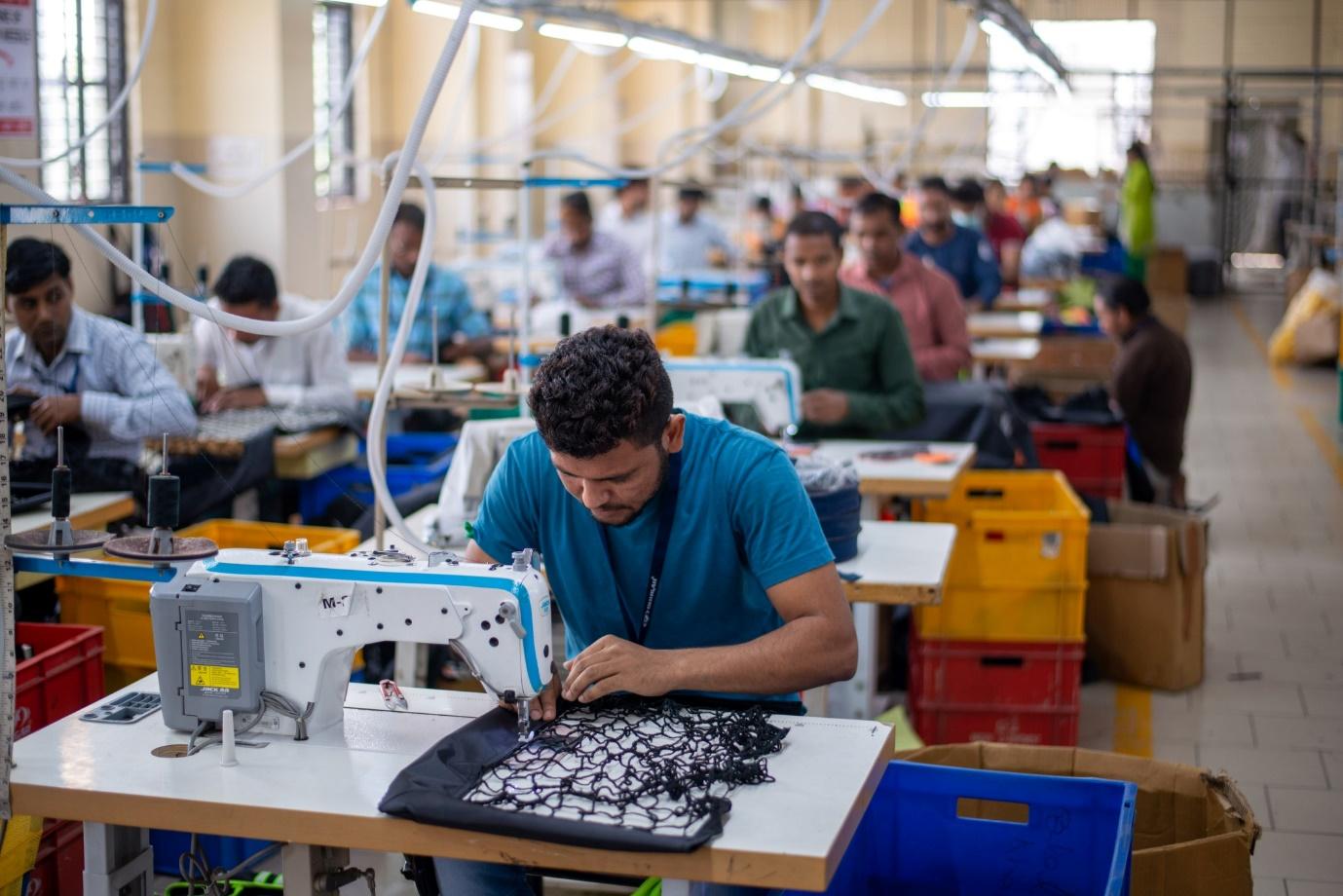
If you are looking for a cloth manufacturing company or like to establish one, there are certain key factors you must be aware of. Without any proper knowledge, it would be practically impossible to move ahead with the cloth manufacturing market in this country. The results can be quite disastrous like suffering huge losses in your textile business, getting trapped in a scam, and so on.
Bearing this in mind, we have discussed a couple of aspects of the Indian textile manufacturing industry that everyone must know.
One of the major facts that you must know about the Indian textile industry is its rapid growth rate as compared to the past. There is no particular reason that can explain this drastic change. But yes, some of the sub-factors you can consider are:
-
Easy availability of labors
-
Improvements in fabric manufacturing from yarns
-
Women empowerment through textile manufacturing companies
-
Popularity of the Indian fashion industry
-
Increase in demand for new, fashionable clothes
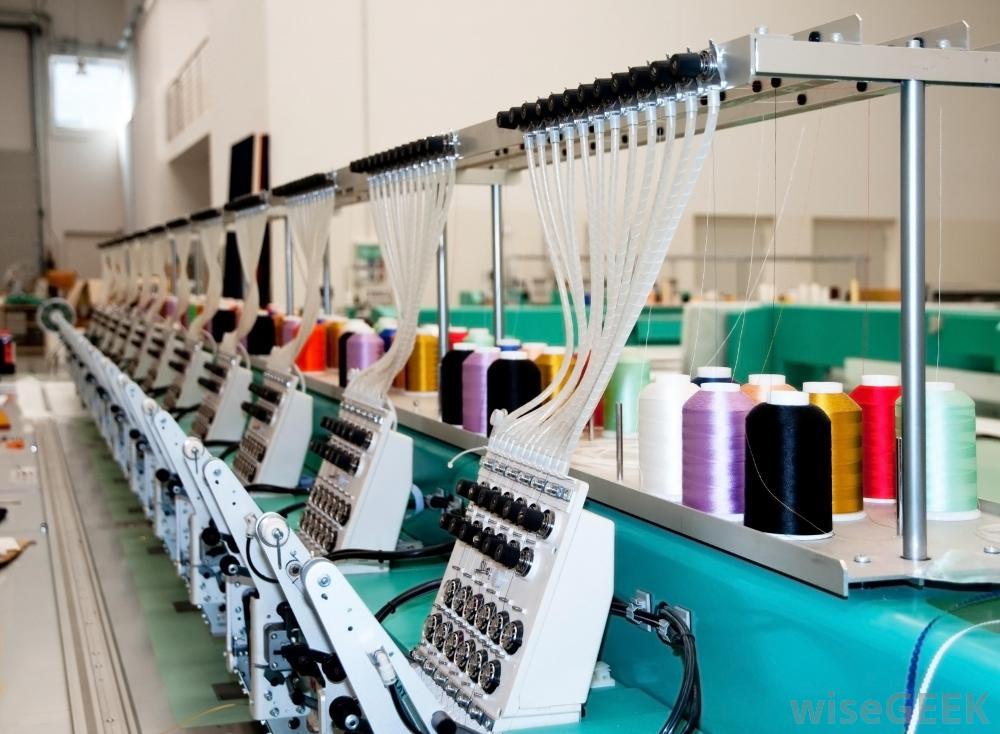
The clothes manufactured for regular and elite fashion brands are always done at different units. When on one hand, the regular manufacturing units can produce bulk products in a day, the high-end manufacturers have limited production to one cloth per day for maintaining the quality and essence.
To be honest, Indian laborers are easy to work with. Firstly, the wages are low which is why fashion brands don’t have to spend too much on manufacturing. Secondly, most weaving and cloth-making businesses are daily based, i.e., all generations have the same occupation. Therefore, they have a better understanding of the market and the changing trends. Apart from this, no language barrier is there because most workers try to communicate in the local language which further reduces the constraints.
Whenever fashion brands or other companies need to place an order with the manufacturer, it is crucial to meet the minimum requirements. For example, a particular designer cloth order will be processed only when the fashion house asks for a certain threshold number of units. The minimum requirement will vary from one aspect to the other, like minimum budget, minimum designs, and more.
India produces cotton, jute, silk, and wool as the four main fabrics. Any other fabric used for making the clothes are imported from the source country. For example, cashmere wool is imported from Scotland while muslin is taken from Bangladesh.
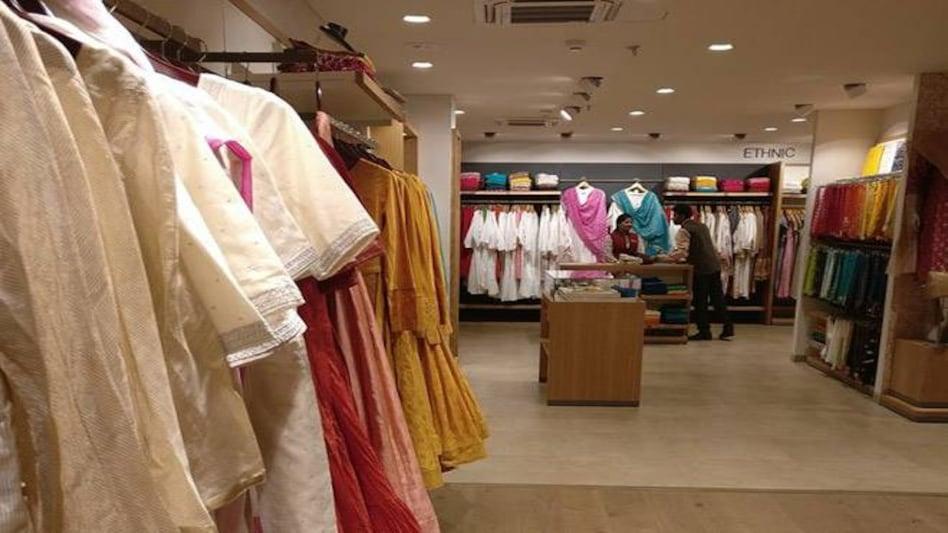
The Indian cloth manufacturing market is quite diverse, owing to different cultures in terms of weave patterns, prints, designs made, and more. This is why the industry has regained its importance and is now being considered as a major competitor to the Chinese clothing industry.
Garment Production Process
Creating a garment entails several procedures. Once designs are approved, leading fast-fashion businesses can create hundreds of thousands of pieces of apparel in a few weeks. It takes a little longer for smaller businesses to produce clothing. Making garments from start to finish is laid out in detail here.
After Digitization, Patterns Need To Be Sorted Out
Having the design in their system, the pattern creator identified a few rough spots and minor faults that might be quickly remedied. Working using digital patterns gives the pattern developer the ability to make fine adjustments and modifications.
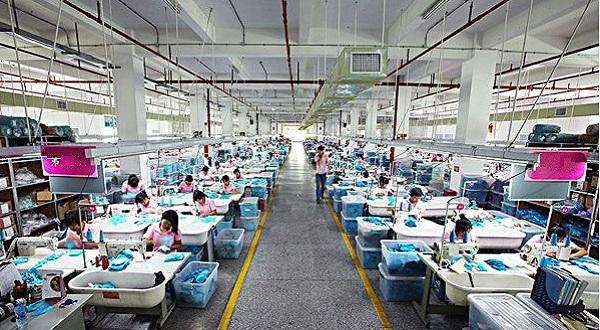
In real-time, any changes in measurements may be seen and monitored. Moreover, if we were to accept the samples, the same patterns would be utilized to scale up or down to other sizes. A similar piece of software is used for rating the sizes.
The Fabric Is Being Cut
Workers get ready to start cutting the cloth when the plotter draws out designs from the laid-out layout. Patterns are printed on special paper that ultimately clings to the cloth to ensure that nothing would shift during the cutting process. We noted that the scissors were used for the first section during the cutting process, but subsequently, specialized equipment was used for the more delicate parts of the cutting.
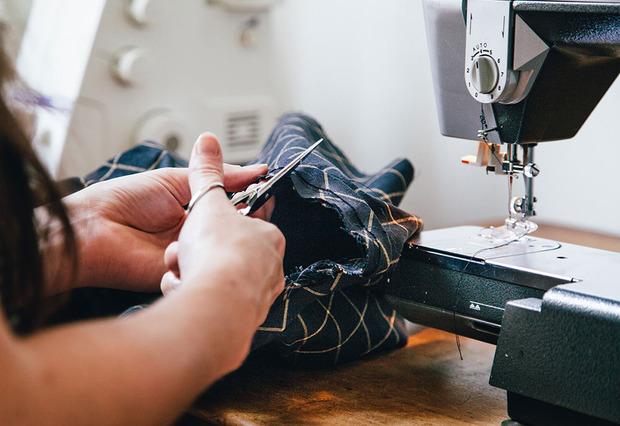
According to what workers are informed, samples are typically cut by hand, but mass manufacturing is done differently. Each layer is made of the same fabric and then cut in bulk. According to the garment maker, the fabric’s composition and thickness decide whether or not it can be cut together.
For instance, cutting cotton and viscose at the same time is impossible. Certain fabrics may distort more than that when cut. Thus the final product will be uneven. As a result, even a 1% alteration in composition necessitates a new cutting job. We spotted a lot of multilayered material already cut & ready to be used as we walked around the shop.
Setting Up The Seamstresses For Success
After cutting, each component is arranged in sets. To save time on production, comparable tasks are grouped so that workers may become more efficient by repeating the same thing repeatedly. Think about how you clean your teeth every day. Things likely that you have developed a method of doing it that has made you more efficient.
Pacification Of Production
The garment factory’s production planner will plan out all of the factory’s tasks in advance. We’ll have everything done on time thanks to the efforts of the planning staff. During the production process, the group will fill up a time & action calendar with all the data.
Quality Control In Making And Production
Product manufacturing time is directly proportional to design complexity. Therefore products in your line with more complex designs need more time to produce. There will be quality checks done during production and reported back to the fashion company by the garment maker. Quality checks are necessary to detect and correct problems in a timely way.
Upon completion of manufacturing, your organization will have the opportunity to inspect the finished products and ensure their quality. If the products you get do not match your expectations, you have the right to refuse them, return them to the manufacturer, and request a refund or a replacement.
Conclusion
People seldom spend a day with clothing makers to see how their products are made. It was an eye-opening experience for us, and we’re eager to share what we learned with you. Many people working with manufacturers or just getting started in the sampling process will benefit from reading this essay, which we hope will clarify that it is a time-consuming yet exact procedure.
Why Fabric Relaxation Process Is Important While Making Clothes
Spinning is the first phase in the textile production process, followed by dyeing, weaving, finishing, and printing. The process of manufacturing garments is the last stage of this process, which is carried out in production units and results in finished goods as output. Transforming raw materials into completed garments is known as garment manufacturing. It is critical for a textile manufacturing firm to efficiently carry out the pre-production process to meet the goal production requirements.
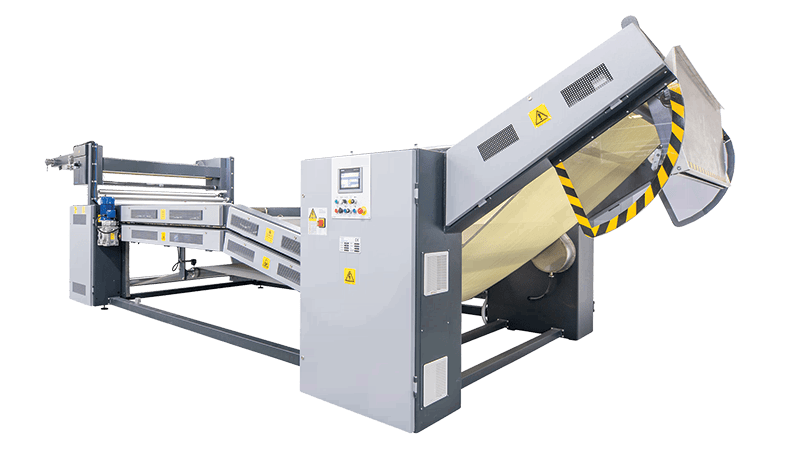
Similarly, there’s a process called fabric relaxation! Fabric relaxation refers to fabrics that have been relaxed from their roll-type tie. Relaxation is critical for obtaining the fabric’s form, and garment sizes are dependent on the fabric’s behavior.
In this process, fabrics must be kept relaxed from opening the cover and tied in the cutting room at room temperature. Stretch materials require a lot of relaxation. Fabric relaxing is used to maintain the dimensional stability of the fabric post-cutting.
Interestingly, it’s just one of the steps involved in cloth manufacturing. In this blog, we’ve done a detailed walkthrough of the different stages in the process.
Obtaining Fabrics In The Following Ways:
To begin with, the clothing is shipped in bulk from overseas. Next, the fabric is delivered in large bolts with cardboard, although it may also arrive in stacks, central plastic tubes, or bags. These textiles are then transferred to massive cargo containers, where forklifts are unloaded. Finally, the fabric is stored in a warehouse between the garment production process and arrival at such factories.
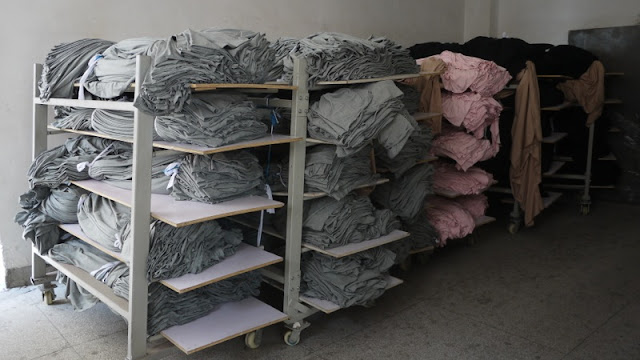
Next, we have the fabric relaxation process, which cannot be overstated. It focuses on relaxing the fabric after it has gone through several processing phases and is about to be turned into a completed product. Because the cloth is allowed to shrink throughout the relaxing process, shrinkage during consumer usage is minimized.
But it’s not just done like this; the process has its advantage; let’s find out:
Ensure seamless cut:
Clothes are relaxed to guarantee no measuring problems after cutting. Now that the factories have access to this relaxation machine, they can be assured that every roll you use will have the same tension, allowing you to produce a single design.
Allows confirmation of both length & width:
Another benefit is that you can now validate both the width and length of your rolls, which is critical in ensuring that the lay plans are built to the correct fabric width, resulting in increased market efficiency and fabric usage.
Cutting, Spreading, and Form Layout:
After the fabric has been relaxed, it is further treated for garment cutting and spreading. The cloth is first to cut into uniform heaps, which are then stacked either manually or with the help of a computer-controlled system. Next, the cloth is strewn throughout the following areas:
-
Fabric flaws will be marked up by operators.
-
During cutting, keep the fabric’s pressure and slack under control.
-
Ascertain that each ply is adequately aligned on top of the others.
Now You Know!
The above procedure marks for garment manufacturing evident how the garment manufacturing process is carried out in production units that are handled separately at different stages. Garment manufacturing differs from other steps in manufacturing textile, including dyeing, spinning, and weaving, in that it produces completed goods rather than semi-finished goods.
How Can I Export Clothes From India To UAE- CheerSagar
Exporting is exciting for businesses; an entirely new market to sell your products along with income in foreign currency. It has a higher return rate than domestic sales for most businesses. Dubai being a global marketplace today, is one of the most lucrative markets for Indian businesses to enter. Did you know the largest export of India to UAE?
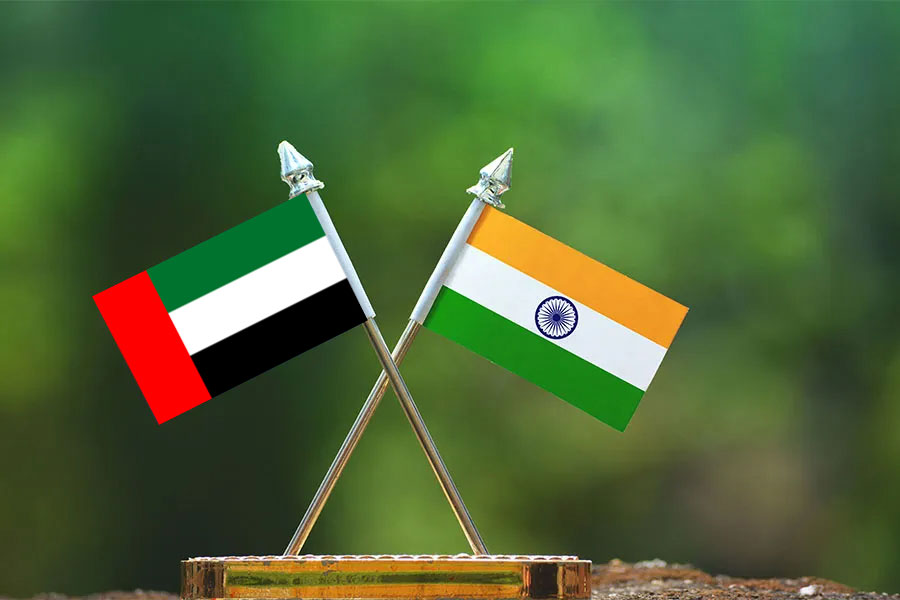
It’s textiles and apparel! So, naturally, as a clothing brand yourself, you would be interested in the prospect of exporting your clothes to UAE, but the question is how? Well, to answer that question, let’s explore the various licenses and compliances you need to fulfill in order to sell your clothes in the UAE market.
Get Your DGFT Import Export Code
Before you can start exporting your textiles into UAE, you need to first get the IEC code for your company. IEC stands for Import Export code of a business that ensures that your business is registered under the DGFT, and this code allows you to export your goods freely to any country. To get the IEC code, you have to submit your company documents to the DGFT, following which you should receive your IEC code.
Get Your Trade License In The UAE
Now that you have completed the formalities on the part of the Indian government, it’s time for you to do the same for the UAE government. To start an exporting business in the UAE, you need to register your business in UAE and get a trading license. To get the license, you would need to submit your company documents along with all the other documents required to the Department of Economic Development in UAE. Upon review of your documents, if they are found satisfactory, the department will grant you the trade license.
Rent Your Warehouse/Office In UAE
Once you have applied for your UAE trade license, you need a warehouse next. This warehouse and office space will be your official address of the business in the UAE. Based on the type of business you will be running, the government and local municipality have certain requirements regarding the type/size of warehouse you need to maintain. You have to organize your rent during the trade license-acquiring process. Once you submit your rental documents along with the other required documents, you will be allowed to have your trade license in the UAE.
Trade & Customs Registration In Dubai
Once you have successfully completed the previous three steps, this should be the last step between you and your products being sold in the UAE market. Customs registration is the last step of the process. To make it easier for businesses, you can easily apply online for your customs license in Dubai and UAE. However, you should know that you would need to submit proper documentation for the products you want to export to Dubai in order for you to get customs clearance.
Conclusion
So, that concludes the steps you need to follow to export your brand’s clothing to the UAE. This process of acquiring all government licenses and permissions can take up to a few months. But, once you have your documents in place, you can get started with your exporting in no time. There is also a way for you to skip this entire process and get your products to the UAE market a lot faster, and that is to work with a dedicated clothing manufacturer and exporter.
These companies will take care of your clothes manufacturing as per your order and help you export said clothes to any country in the world. So, if you would like to take a look at this option, be sure to check out CheerSagar, which is India’s premier clothing manufacturer and exporter. For more information about CheerSagar, be sure to check out their website.
Tackling Challenges In Women’s Fashion Trade Between India And Sweden | Cheer Sagar
The expanding market for women’s clothing between India and Sweden presents a wealth of opportunities for businesses. However, navigating this trade entails overcoming various challenges. To successfully establish a women’s clothing enterprise in Sweden with roots in India, companies must confront these obstacles head-on. This blog offers an overview of the challenges involved and proposes potential solutions to address them.
I. Cultural Differences:
A. Appreciating cultural preferences
-
Design and style: Indian clothing is generally colorful and intricate, while Swedish fashion focuses on minimalistic and functional designs. Understanding these differences is essential when creating clothing lines for both markets.
-
Color choices and symbolism: Colors have different meanings across cultures, so understanding their symbolism can affect a clothing line’s success.
-
Fabrics and materials: Indian clothing uses various fabrics, while Swedish clothing often opts for functional materials suitable for colder climates.
B. Addressing cultural differences
-
Market research: In-depth market research is vital for understanding consumer preferences in both countries.
-
Local designer collaboration: Partnering with local designers helps create clothing that appeals to the target market.
-
Customization options: Allowing customers to personalize their clothing caters to diverse preferences.
II. Legal and Regulatory Compliance:
A. Import and export regulations
-
Customs duties and taxes: Both countries impose customs duties and taxes on imports and exports, affecting pricing and competitiveness.
-
Import and export licenses: Businesses might need specific licenses for certain clothing types or materials.
-
Rules of origin: Complying with rules of origin helps avoid potential issues with customs authorities.
B. Product safety and quality standards
-
Testing and certification requirements: Imported and exported clothing might be subject to testing and certification requirements.
-
International standards compliance: Ensuring women’s clothing meets international quality and safety standards is crucial.
C. Compliance recommendations
-
Hiring a customs broker: A reputable customs broker helps businesses navigate complex regulations.
-
Monitoring regulatory changes: Regularly tracking changes in trade regulations ensures compliance.
III. Supply Chain Management:
A. Raw material sourcing
-
Sustainable and ethical suppliers: Sourcing from sustainable and ethical suppliers maintains a positive brand image.
-
Strong supplier relationships: Timely deliveries and better terms come from strong relationships with suppliers.
B. Transportation and logistics
-
Shipping method selection: The most suitable shipping method impacts the cost and reliability of the supply chain.
-
Lead times and delay management: Accurate lead time estimates and planning for potential delays ensure sufficient inventory.
-
Unforeseen disruption contingency planning: Contingency plans for unexpected events minimize supply chain disruptions.
C. Inventory management
-
Demand forecasting: Accurate demand prediction helps optimize inventory levels.
-
Just-in-time strategies: Adopting just-in-time (JIT) inventory strategies reduces holding costs and improves cash flow.
IV. Marketing and Branding:
A. Target market identification
-
Market segmentation: Segmenting the market based on factors like age and lifestyle identifies profitable customer segments.
-
Consumer preferences and behaviors: Understanding preferences and purchasing behaviors help businesses tailor product offerings.
B. Unique brand identity creation
-
Brand story communication: A compelling brand narrative differentiates businesses from competitors.
-
Cultural elements incorporation: Design elements from India and Sweden create a unique brand identity.
C. Marketing strategies
-
Social media platform utilization: Popular social media platforms help businesses reach a wider audience, showcase products, and engage customers.
-
Influencer collaboration: Partnering with fashion influencers and bloggers in both countries increases brand awareness, credibility, and reach.
-
Fashion event and trade show participation: Attending industry events helps businesses network with professionals, showcase products, and gain insights into market trends and preferences.
V. Building Business Relationships:
A. Industry professional networking: Connecting with fashion industry professionals offers access to valuable resources and collaboration opportunities.
B. Local retailer and distributor partnerships: Forming partnerships with local retailers and distributors helps businesses expand their reach, reduce shipping costs, and increase sales.
C. Trade association and industry forum participation: Joining trade associations and participating in industry forums keeps businesses informed about industry trends, regulations, and best practices while providing networking and learning opportunities.
Conclusion:
Overcoming challenges in importing and exporting women’s clothing between India and Sweden requires a comprehensive understanding of cultural differences, legal and regulatory compliance, supply chain management, marketing, and networking. One way is to handle all the areas on your own or collaborate with an experienced supplier who can help you in taking care of most of the areas related to products and their quality. CheerSagar is one such supplier which can take care of your products while the rest of the compliances can be managed at your end.
Why Brands Prefer’s Private Label Clothing Manufacturer | Cheer Sagar
Running a business is one phase of your efforts, but building a brand is the most crucial part. Regardless of your industry and niche, you are always looking for a seamless and profitable business that can make you money.
Now, turning a business into a brand takes a lot of effort and time. So, what if you can still find a way to make money from your business? Yes! We are talking about private-label manufacturing.
For newbies, private label is nothing new in today’s but. Private label is the concept of making/creating products for a firm/company that uses its brand to sell out your products. Private-label clothing is a popular trend in the clothing industry. In short, a company that produces sellable items for a brand is better known as a private label manufacturer.
Before that, many of you would wonder why you should run a private label.
Complete Control over Business: It gives you full control over your business. It means you are totally devoted to retaining the quality, regardless of other factors like customer retention, price, branding, and other marketing practices. You only have to focus on maintaining premium quality clothing for the brands.
Work for Popular Brands: Do you want to work for top clothing brands? Well, a private-label clothing line helps you achieve that dream. It allows you to produce clothing for top brands that encompass a huge user base. In short, you are creating a generic product, and big clothing giants are putting their logos and brand on your generic clothing line.
FACT: Remember, customers are always loyal to brands, not products
No Investment in Marketing & Promotion: If you have a brand tie-up for your clothing line, why put extra effort to register for a brand and populate it? Creating your brand increases competition in the clothing industry, and hence it becomes tougher to compete with the ruling brands.
Low Cost High Profit: Big brands always recommend using private label clothing manufacturers in the industry. The reason being no multiple stages are involved in transforming raw material into sellable products. Instead of competing in the sea of competitors, you only focus on building quality products for a specific brand. In short, your ideal focus is only on maintaining the quality and making a profit.
When it comes to Private label brands, they too have many advantages considering private label manufacturers over building an in-house manufacturing unit.
Smaller MOQs: Buying from wholesalers requires orders in bulk, but this isn’t the case with private label manufacturers. With them, you can start with small quantities and start working for long. It means, private label brand can diversify their requirements from different suppliers and maintain a plethora of clothing lines for the customers.
Get Utmost Quality: Quality is the prime reason why brands mostly prefer private manufacturers instead of in-house teams. The private label manufacturer always ensures top-quality clothing to maintain long-term relationships and continue running their business.
Maintain High-Profit Margin: Brands have an excellent opportunity to save big margins with private label manufacturers. Purchasing from private labels decreases their in-house manufacturing cost without compromising the quality. In short, they can draw a big margin on every sale. The overall cost of manufacturing, purchasing raw materials, power costing, etc., are cumulatively replaced by buying clothing directly from private label clothing manufacturers.
Flexible Pricing: Buying directly from apparel manufacturers decreases the wholesale commission, and hence you get good quality clothing at retail price. This helps you cut down the price a lot. Further, negotiation with the manufacturer helps you conclude the final price that is always less than the retail price. It is a good option.
Easy Customization Options: Brands can consult with the manufacturer to produce clothing lines with specific colors and fabrics. Moreover, brands can start their in-house manufacturing unit if the supplier isn’t working out great. A wholesaler will only have the stock for sale and can’t entertain your custom requirements. However, a private label supplier can easily entertain your brand-specific requirements.
Maintain Utmost Customer Satisfaction: Customer satisfaction is a must when running a business. Every brand prefers gathering tons of customer base and serving them with a premium experience. With a private label supplier, you can make it possible. You have control over what your customer like and what they don’t. Based on your analysis, you can include or reject the clothing that is liked/disliked by your customers.
So, these are the attributes of private label suppliers that make them the first preference over running an in-house manufacturing unit. Undoubtedly, working with private label manufacturers has tons of benefits for suppliers and brands.
Nowadays, the concept of serving customers has changed the concept of how we serve our customers and delight them with premium quality clothing. Brands are following this trend as it benefits them a lot.
What Are Benefits Of Wholesale Fashion Clothing | Cheer Sagar
What is fashion? Style, which is commonly practiced in clothing’s become the fashion. With the cuts, colors, and looks, designers work on the new patterns that people grab as fashion. If you are the one who is thinking to become a successful fashion dealer, then quality wholesale clothing can be a pillar of your business. Clothing Manufacturers always focus on the trend and prefer to lay out in the wholesale market. Wholesale clothing hit the market with its unique design styles. There you can also have different color combinations and fittings.
Starting a new clothing business means lots of confusion about fashion and quality, which are the basic demand of customers. But in reality, it is not at all a problem to source the products, nowadays you have to just browse the net, and you will come across many of the options around you. Buying products for men, women, and kids online or offline in bulk is extremely advantageous. But the point is being a good retailer; you must grab which goes best in size, color, fitting, patterns, and style.
Here are a few advantages to sourcing the products from wholesale fashion clothing:
- The most crucial point is to have the best fashion for the customers. Here you can have the best fashion styles that the best fashion technologists create. It makes the way to derive the desired profit percentage.
- Wholesale fashion products cover the best fabrics and high-quality manufacturing techniques as it ensures fine craftsmanship, which also covers perfect finishing.
- In terms of size, style, color, and fabrics, you can customize various clothing items. Wholesale fashion clothing provides you with wide choices.
- Getting bulk clothing online is a task that needs precision. High quality is the point that one should keep in mind while starting a new business. You can have bulk clothing through manufacturers or wholesale suppliers. Getting these from direct manufacturers or wholesale suppliers reduces the chances of getting damaged.
- Manufacturers and wholesale supplies source in large quantities, so here you can have competitive pricing, which is the biggest advantage. You can have the bulk product at cheap rates.
- The time span for the businessman is very important as a business really wants one who values time. Ordering the products online with bulk clothing manufacturers or wholesale suppliers ensures to be ready in a short time span.
- For retailers, wholesale suppliers keep the terms and conditions affordable and acceptable. So the whole task becomes easy to go with. No paperwork, no extra expenses; all processes are simple and easy.
- Transport is something that needs extra expense when you order products in bulk. But here, wholesale suppliers take the responsibility of shipping. From shipping method to shipping time, all are suppliers’ responsibilities. They provide you great comfort that your product will reach within the deadline to your doorsteps.
- In any reasonable case, if you need to return the product, then you can easily cancel the order in due time following the terms and conditions. Like placing an order, the cancellation process is also easy and simple.
- Now we are in the internet era, and everyone wants to have a high point when it comes to business. In the clothing business, you should look forward to items from all over the world. Buying wholesale clothing online from every part of the globe can help you to aim towards stocking the best and unique styling. To target the audience more successfully, it is good to deal with fashionable clothing.
If you are the one who feels satisfied with the ground analysis of the fabric and the style before buying the products, then wholesale suppliers are also available that provide you with offline products. You can browse them and then visit them to order the products.
Whatever the way you choose to order the products in bulk, in both cases, you get choices more than your expectations. Nowadays, everything has become easy for us, whether starting a clothing business or searching for wholesale suppliers.
If you want your business to lift up and want yourself to be updated and get the best deals, you must check out the websites regularly. Wholesale suppliers and manufacturers change their offers and products according to the trend and the season, so get in touch with them. New products from the most selected fashion houses are made available throughout the year, which helps you to target your customers’ choices and needs. The above points help you develop confidence in starting up the new clothing business and empower you to gain profit in the upcoming years. When you walk along with the trend and fashion, customers will definitely take a second look at your products displayed.
Online Shopping: Make Yourself More Stylish | Cheer Sagar
Living in the internet era means everything has gone so easy then, whether it is learning or online shopping. Women and shopping is the relation that compliments each other. Clothing is the best method to exemplify you in front of anyone. It is always said that dressing sense speaks more than you. Apparel Manufacturers in India always focus on trends and fashion regarding the woman’s attire, where every factor is considered. From the casuals to the occasional attires, they speak about the personality you carry. Generally, people judge you according to your apparel. When it comes to women, then fashion and trend are like two faces of the coin. Females always run towards stylish women’s clothing. Others mainly observe the quality and the style of the apparel you put on. So, females always consider these factors when they go shopping.
Fashion begins with the clothing of the woman, and style is just a synonym for that. Apparel that you put on is not just for the style or to recreate one’s status, but it also helps in boosting one’s confidence. Clothing is the best method to groom up and effectively developing the personality. Stylish clothing is the greatest temptation for kids, women, and men, and no one can resist buying it. According to the different occasions, we choose our attire. For example, we carry formal clothing’s mostly in offices and casuals at home, and for festivals, we choose the heavily worked dresses or ethnic wears. In the world of shopping, women are the real queens. When they think of shopping, they just can’t resist themselves, and they love to shop in any condition and anywhere.
Husbands can make their wives happy just by purchasing something for them or just by telling them that “today we are going shopping.” When we dive into the choices and the collections of the clothing’s all around us, we meet marvelous collections over there. Whether it is a shop in the market or online shopping, we can have vast ethnic and western wear collections, including sarees, t-shirts, trousers, lehengas, skirts, jeans and capris, and many more. Women have the mania of wearing stylish or modish clothing, but men are also crazy for that. We can see that some people are more stick towards the brands, but some are not. There are many brands in clothing, but for those who can’t afford the brands, there are also choices for them. They don’t have to compromise with the quality and the style anymore. Yes, the market and online platforms give options and choices for those who want something trendy and stylish but confined within their budget. So, in the world of clothing and fashion, there is everything for everybody.
Coming on the brands, each brand is outstanding in providing the varieties and the quality at the same time. One can easily pick the outfit for their hot and dazzling personality. E-shopping has become a trend now and why not when everything is available in one place with various choices. Whether it is for men, women, or kids, everything is there, from the casuals to the formals. Polo t-shirts, blazers, track pants, shorts, formal trousers, winter wear, and summer wear are all available online shopping platforms. Let’s talk about the kids; there are unlimited and most popular kids wear. Various online shopping websites are dedicated to kids.
They provide endless wearing options for kids with different colors and sizes according to the occasion and the seasons; in developing kids’ confidence and lighting up the positive energy in them, clothing plays a vital role. Branded and stylish clothes not only work for men and women but also make kids happy and confident. Most of the kids are very particular about their clothing’s like they love to wear outfits with their favorite cartoon characters. Dresses with their favorite cartoon characters are the loveliest gift for them. E-shopping is a good option due to its 24/7 service, and one can easily shop according to the occasion without wasting their time and traveling fare. In the festive seasons, we also see different deals and offers on clothing. That’s the biggest reason that people love e-shopping.
Women love these kinds of deals and offer the most. Nowadays, online shopping is not limited but has expanded itself to provide more and more to the customers without compromising the quality and style. Fashion and style go hand in hand, whatever be the online shopping website. If you want yourself to be trendy and stylish, then there is no other way to opt the e-shopping as this is the platform where you search not only for your choices but also have vast collections beyond your imaginations that easily turn your mind.
So, why wait anymore? Take advantage of online shopping and book the best attire for your wardrobe.