
Outsourcing Strategies For Apparel Manufacturers
Outsourcing has proven to be an effective way of getting things done in a number of industries. The same can be said for apparel and garment manufacturing. There are a number of tasks that can be done without hiring a full-time workforce, but the key is to identify those areas where you can get the work done through contractual teams. So, if you are an apparel manufacturer and considering outsourcing a few tasks in hand, then this blog will be of great help to you. If you’re new to garment production and want to understand the role of a garment manufacturing company first, read our complete beginner’s guide.
Signs It’s Time to Consider Outsourcing:
-
You need to free up your time to focus on other important parameters of your business
-
Your key skill is limited to one or two segments, but you need more skilled professionals for other areas of your business
-
Your manufacturing unit is not sufficient to handle the end-to-end tasks of the manufacturing process.
So, if you have decided to adopt outsourcing for your apparel manufacturing, consider the following strategies to attain optimal results.
-
Monitor Production
Though you have outsourced the complete lot to a third party, make sure you check the quality of the production by random sampling. Don’t wait for the complete order to get finished and then go through the quality assurance process. Consistent and timely feedback to the vendor will help in improving the overall quality of the batch. This will also help the vendor understand the quality standards you are aiming for.
-
Perfection May Kill The Speed
Though you don’t want to compromise on quality, delaying the process for unnecessary changes and demands may kill the overall purpose of outsourcing. You need to understand that perfection cannot be achieved in every product. So, create a guideline that has a range, and the finished product falls into that particular range.
-
Keep The Key Processes Under Your Control
While outsourcing, make sure you keep the key departments under your control. There should be a set of people in the team that can handle important parameters of your apparel manufacturing business. This will ensure that you have a slight upper hand in operating the business efficiently.
-
Don’t Go For Additional Margins
The primary focus of outsourcing is to reduce costs but don’t go for the extra bucks that compromise on the quality too much. With outsourcing, your focus should not get deviated from the quality assurance of your brand. In the end, the overall quality of your product will define the brand value, and playing with the quality can quickly result in a negative impact on your brand image. So, go for the outsourcing partners that have an established name and can assure you of the quality.
-
Don’t Imitate Strategies
What worked for your competitor might not work for you. It is important to understand your business objectives and adopt solutions accordingly. For instance, while selecting a designer, you should focus on what kind of products you manufacture and what are the likes of your customers. Blindly selecting the one that your competitor has hired might not work for your brand.
Conclusion
Outsourcing does not guarantee 100% success in operating your business. It is a process that needs consistent efforts to achieve desired results. Overall, it depends on how you manage different processes and link each other to get your business moving at a consistent pace. With outsourcing as well, there will be issues that you need to face, and one should be ready to take the hits in a firm manner to stay in the game. If you are looking for a reliable outsourcing partner, you may connect with CheerSagar, a leading name in the manufacturing and outsourcing industry of apparel.
What Is A Garment Manufacturing Company? A Complete Guide For Fashion Entrepreneurs
Do you think that every garment manufacturing company offers the same services and there’s no difference in quality and timelines? If you do think so, unfortunately, it’s not the truth. Apparel manufacturers can vary significantly in terms of pricing, quality standards, production methods, and flexibility. It is essential to understand how these companies operate before placing your first order.
Choosing a reliable production partner is the first significant step toward building a successful fashion brand, and therefore, we’ve built a guide to help you understand these companies. A lot of companies, like Cheer Sagar, offer export services as well that can genuinely help you if you’re expanding your brand internationally. So, let’s deep dive into what a garment manufacturing company is before you make a definitive choice and seal the path of your business growth.
The job of a garment manufacturing company is to turn clothing ideas into ready-to-sell products. The services of an apparel manufacturer may cover everything from early product development to final packaging and shipping; however, it depends on the production partner. Some of the common responsibilities of a manufacturer include:
-
Fabric, accessories, and trim sourcing
-
Cutting, sewing, washing, and finishing
-
Pattern building and size grading
-
Packaging
-
Quality control checks
-
Export handling
-
Logistics support
The thing here for you to notice is that some companies handle an end-to-end full package manufacturing model, and others handle production stages like assembly and stitching. You must choose the right setup according to your budget and production goals.
For different business requirements, there are different types of garment manufacturers. When you understand the variety of models these apparel manufacturing companies work with, you’ll be able to avoid delays, miscommunication and extra costs for your business.
-
Full Package Manufacturers: They manage sourcing, production, labelling, packaging, and shipment.
-
Private Label Manufacturers: They create pre-developed clothing that brands customize with their own branding.
-
CMT Manufacturers: These manufacturers only focus on cutting, stitching, and finishing while the client provides the material.
-
Custom Apparel Manufacturers: They are ideal for smaller production runs, unique fits, and original collections.
Leading manufacturing companies like CheerSagar operate as a full-service company supporting clothing brands through multiple stages of apparel production. Your best choice depends on how involved you want to be in material sourcing and product development.
Trusted production partners help brands maintain quality, consistency, and scalability over time. In fact, a reliable manufacturer should offer more than competitive pricing like the things we mentioned just now. Some of the key factors to evaluate what separates good from great manufacturers include:
-
Skilled workforce
-
Quality Control standards
-
Industry experience
-
Production expertise
-
Manufacturing technology
-
Production systems
-
Capacity to manage both high and low-volume orders
Apart from that, great manufacturers also communicate clearly. They solve production issues proactively and quickly adapt to changing business requirements.
India is known for producing high-quality cotton garments, embroidery work, knitwear, and ethnic wear at a competitive cost. Therefore, for international startups and boutiques, India continues to be a preferred destination. In fact, India offers an integrated supply chain that is built to support both emerging fashion brands and large international labels. The country’s ability to combine craftsmanship, cost-efficiency, and scalability makes it one of the most trusted sourcing markets in the fashion industry.
Whether you require private label manufacturing or end-to-end apparel production, partnering with an experienced apparel manufacturer like CheerSagar can make the process far more efficient. CheerSagar is also a leading garment exporter, which makes expansion to international destinations easier. Before getting started with your fashion label, choose a trusted manufacturing solution that focuses on quality production and long-term collaboration. Explore Cheer Sagar’s manufacturing capabilities here.
If you’re ready to outsource production after understanding what a garment manufacturing company does, read our guide on Outsourcing Strategies for Apparel Manufacturers.
How To Export Cotton Women’s Wear From India
As one of the world’s leading garment-exporting nations, India is a significant exporter of cotton women’s wear. Indian manufacturers supply cotton apparel across the USA, UAE, Australia, Europe, and beyond. If you are a new brand looking to source products from a reliable garment exporter, then look no further.
We’ve built a guide here that will help you throughout the process of exporting cotton apparel through an Indian women’s wear manufacturer. Understanding how to build a reliable and profitable supply chain with experienced garment exporters can help you stand out in the market as a new and emerging women’s clothing brand.
India produces nearly a quarter of the world’s cotton, which gives manufacturers direct access to raw materials. The country also has a highly skilled workforce that is experienced in creating Western, ethnic, and fusion wear. India offers competitive pricing compared to competing manufacturing destinations, which makes India hold a strong position in the global apparel industry.
There are major textile hubs in Surat, Jaipur, Pune, and Mumbai that are home to certified apparel manufacturers that serve international markets. Additionally, there are also textile-focused government incentives like RoDTEP that help strengthen India’s ecosystem.
Step 1: Register as a Garment Exporter
You must obtain an Import Export Code (IEC) from the Directorate General of Foreign Trade (DGFT). Along with IEC, you also need a current bank account with an authorised dealer bank so that you can handle foreign currency transactions. Compliance with Indian regulation, and having the correct registrations altogether ensures that you have smoother export operations.
Step 2: Identify the Right Clothing Manufacturer in India
Choose a clothing manufacturing partner like CheerSagar, which is reliable and trusted by many existing clothing brand owners. Choosing the right garment export house is also critical in today’s time, especially for exporting women’s cotton wear. You can evaluate manufacturing and export houses based on factors like production capacity, minimum order quantities (MOQs), quality control systems, lead times, and export references. A reliable apparel manufacturer should also be transparent about production processes and be able to provide samples before bulk orders.
Step 3: Ensure Product Compliance and Labelling
As a clothing brand owner seeking to ship cotton wear from India, you must know that different countries have different export requirements. Buyers in the European markets require adherence to REACH regulations governing chemicals in textiles while the United States require compliance with consumer product safety regulations and proper labelling. On the other hand, Middle Eastern markets may require additional certifications depending on each product type. Therefore, working with an experienced garment exporter will help ensure all compliance documentation and product labelling requirements are good to go before shipment.
Step 4: Prepare Export Documentation
For successful export, accurate documentation is essential. Some of the common documentation required for garment export include:
-
Packing list
-
Commercial invoice
-
Certificate of origin
-
Airway Bill
-
Inspection certificate (if requested by the buyer)
-
Any additional documents required under trade agreements
Any error in export documentation can lead to customs delays and additional costs
Step 5: Managing Shipping & Logistics
The final step involves selecting the most convenient shipping method. For bulk garment orders, sea freight is preferred due to lower costs. For urgent deliveries and smaller shipments, air freight is preferred. There are major Indian ports that offer strong connectivity to international markets such as the Nhava Sheva (Mumbai), Chennai, and Mundra. These ports are also known for handling a significant amount of garment exports.
Conclusion
Now that you know all the steps involved in exporting cotton’s wear from India to overseas markets, let us tell you about a trusted and reliable garment manufacturer and
reliable garment manufacturer and exporter. Cheer Sagar is a trusted manufacturer and a garment export house in India offering a variety of women’s cotton wear. Whether you’re looking to ship to the USA, UAE, or other global markets, Cheer Sagar can help you through this 5 step process without any unnecessary hassle. Get in touch with our team for an export consultation today.
How To Choose The Best Garment Export House?
While you are making the selection of clothing export house that you might be working with, some critical factors should be evaluated. This also includes the country where they reside. The main reason for this is the logistical challenges that can come while you decide to partner with companies especially when one needs to ship the clothes across the world.
While dealing for the first time, ask for LC or a letter of Credit!
The two most common payment methods when we speak of the garment industry are the LC and TT (telegraphic transfer). LC puts an obligation on the buyer for paying their Garment Export House when specific conditions have been met.
With TT or electronic transfer it can be easily used with open account transactions where all of the funds get transferred once the shipment is handed over. So it’s better to ask for the letter of credit beforehand especially if you are buying for the first time!
See If They Take Right Responsibility For Product Shipments And Deliveries
Before placing an order with a clothing manufacturer, it is essential to ensure that both the buyer and supplier have a clear understanding of responsibilities, costs, and potential risks associated with international shipping. These responsibilities are defined through International Commercial Terms (Incoterms), which specify the extent of the supplier’s obligations regarding transportation, insurance, customs clearance, and final delivery of goods. Always clarify these terms in advance and proceed only when you are fully satisfied with the supplier’s explanations and commitments.
If a manufacturer consistently fails to meet agreed delivery timelines, buyers may negotiate compensation, request discounts on the total order value, or explore alternative shipping arrangements to minimize disruptions. Establishing clear delivery expectations and penalties beforehand can help protect your business from unexpected delays.
Timely delivery is especially important for fashion brands launching seasonal collections or trend-driven products. Many clothing lines are designed around specific styles, colors, and market demands that are relevant only during a particular period. Delayed shipments can result in missed sales opportunities and reduced product value, making it necessary to negotiate discounts or other remedies when delivery schedules are not met.
When selecting a shipping method, factors such as cost, transit time, and transportation availability should be carefully evaluated. Sea freight is generally the most economical option for bulk orders but can take several weeks to reach its destination. Air freight offers significantly faster delivery, often within a week, but comes at a considerably higher cost. Choosing the right transportation method depends on your budget, delivery deadlines, and overall business requirements.
Make Sure All Of The Paperwork Is Complete If Customs Have To Be Cleared!
As we mentioned above to avoid the responsibility for transport arrangements, the delivery, and clearance of clothes in the importing country, you need to make sure all paperwork is complete beforehand. If this is your first time dealing with a clothing manufacturer, rechecking all of the details becomes critical. This will assure that you are at a minimum financial risk. In case you take up this task to yourself to save some money, go for a good forwarding agency for the task.
Conclusion:
These were some of the important points to keep in mind while you are narrowing down our choices of a garment export house.
How To Place Womens Clothing Export Order From India
India is one of the world’s leading apparel and clothing manufacturing hubs, supplying high-quality garments to global markets at scale. Renowned for its rich textile heritage, the country combines modern production capabilities with centuries-old craftsmanship. Indian artisans are celebrated for their intricate weaving techniques and distinctive embroidery styles that have been passed down through generations. One notable example is Kantha embroidery, which originated in the Bengal and Odisha regions over 200 years ago. Today, this handcrafted art form is highly sought after worldwide, reflecting India’s enduring influence on the global fashion and textile industry.
Therefore, many fashion brands have started to export women’s clothing from India, owing to the increasing popularity and low cost. However, there are certain factors that need to be met before you place the export order and the fashion brand starts processing it. Not having knowledge about these factors will lead to many problems, starting from scams to receiving low-quality goods. Owing to this reason, we have gathered around some best to help you place an export order for women’s clothing in India.
As the line of women’s clothing in India is quite varied, including Indo-western, western, and Indian, you must decide which type of apparel you would like to have. Based on each style, you will have several clothing options, namely:
-
Indian: Salwar Kameez, sarees, lehenga or ghagra, Patiala suits, and more
-
Indo-Western: Kurti, long tunics, skirt, palazzos, leggings, and more
-
Western: Jeans, shirts, t-shirts, one-piece dresses, party gowns, and more
Once you are done with the clothing type and style, you can move on to choosing the embroidery and weave patterns. Embroideries and weaving styles arise from different areas of the country and are specific to those regions only. India being a diverse country has several such distinct styles with no replica in the market. Therefore, you must select the proper styles as per the demand in the foreign market. Just for a reference, some of the best weaving and embroidery styles prevalent in the Indian fashion market are:
-
Chikankari from Uttar Pradesh
-
Sindhi stitch from Gujarat
-
Kantha from West Bengal
-
Kaudi from Karnataka
-
Pipli from Orissa
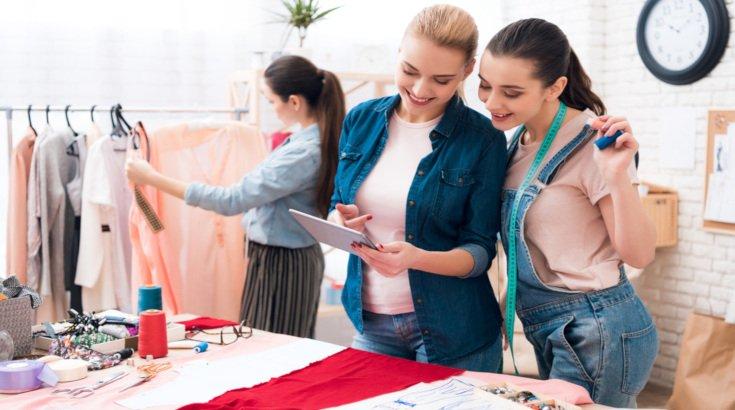
As there are so many different suppliers and manufacturers of women’s clothing in India, you must ensure that the chosen company can live up to your expectations with ease. To do so, you must consider the following points:
-
Choose a popular apparel manufacturer or supplier
-
Check whether they offer the type or style of dress you want
-
Go through the manufacturing units
-
If you want to have handmade dresses, do choose local manufacturers
You cannot place an export order without meeting the minimum order requirements. For example, several manufacturers only accept orders in bulk, like twenty pieces of saree, hundred units of leggings, and so on. Similarly, for others, you might have to abide by the minimum order amount of say INR 50,000 or INR 1,50,000.
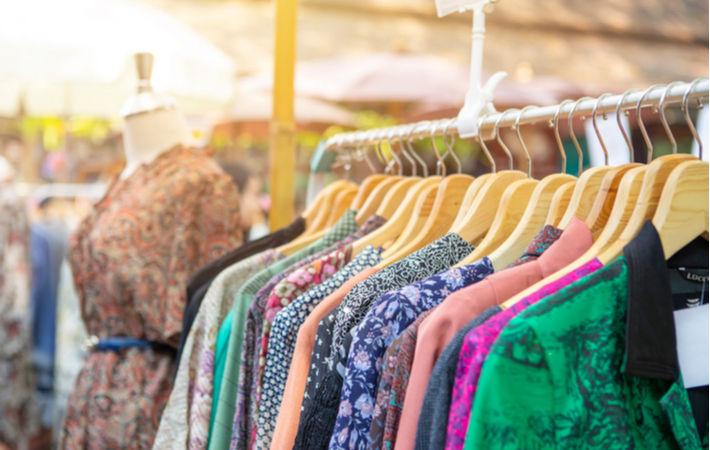
Despite the Indian clothing market being profitable for global fashion houses dealing with women’s apparel, you must ensure to choose the right manufacturer as your export partner. Failure to do so will not only cause a waste of money but also lead to the doom of your business.
Private Label Clothing: Meaning,Benefits, Success | Cheer Sagar
There are many types of labels that clothing manufacturers and brands use. Each label has a different purpose and serves various benefits which is why it’s crucial to learn more about them in-depth. Out of all types of labels, the private labels are considered most beneficial and vital for the brands. Since many of you might not know about what these labels mean, how it can help a brand become successful, and more, we have explained all the related facts in this below section.
There are many types of labels that clothing manufacturers and brands use. Each label has a different purpose and serves various benefits which is why it’s crucial to learn more about them in-depth. Out of all types of labels, private labels are considered the most beneficial and vital for the brands. Since many of you might not know about what these labels mean, how they can help a brand become successful, and more, we have explained all the related facts in the below section.
Often you will see brand names mentioned on the tags or labels of different clothing units. These are known as private labels because they are specific to the brand under whose name the clothing will be sold. Often, the products are manufactured by a third-party company to ensure that the bulk production conditions can be met with ease. On the label, no company’s name will be present other than the brand name or logo.
-
Helps in promoting the brands
One of the major advantages of having private labels in clothing is a better opportunity for brand promotion. As the brand name will be printed on the labels, people can easily know which company to look for the second purchase if the product quality matches the standards.
-
Enhances the sales
Another reason to use the private label is to have enhanced sales. With the brand name written, you can promote the clothing in different markets and get more customers. If the labelling is done properly, it will bring in more revenues and help you flourish.

-
Establishes trust and reliability
With the printed brand name, it will be possible for any clothing company to establish a relationship of trust and reliability with other businesses and customers. Besides, it will increase accountability as the company will be answerable for poor quality products.
-
Helps in protecting privacy and interests
As a private clothing label will have the brand logo or name of your company only, you won’t have to share the same with others. Thus, the labels will help in forming strict privacy terms and conditions.
People who wish to establish a business in the clothing industry must opt for private labelling. Even though it has a lot of advantages, you must follow certain rules for establishing the brand in the best possible manner.
-
Make sure to choose the brand name and logo in such a manner that the label can create an instant impression.
-
Create a design listing of the label so that it can match your business goals and the products you have manufactured.

Private labelling has found a lot of importance in the clothing sector. It helps in establishing a private line of clothing from scratch, without causing additional marketing expenses. Besides, the results of private labels are instant, thereby helping you take the business to a new height.
Vietnam Vs India Garment Manufacturing
Introduction
If you’re building a fashion brand or scaling one, choosing where to manufacture is one of those decisions that quietly impacts everything: your margins, product consistency, delivery timelines, and even how smoothly your next collection launches. If you are scouting for the right garment manufacturing partner, you have very likely landed between two powerhouses: Vietnam and India. Both nations are global leaders in apparel production, but they serve very different needs, and the difference between them isn’t just geographical; it comes down to cost structure, MOQs, fabric sourcing options, product strengths, lead times, customisation flexibility, compliance, and trade access. This guide breaks all of that down in one place, so you can make an informed sourcing decision based on what your brand actually needs, not just industry hype.
The State of Garment Manufacturing: Vietnam vs India Today
Vietnam has earned its place as the world’s third-largest textile and garment exporter, generating an impressive USD 44 billion in export revenue in 2024 — an 11% year-on-year increase. The country benefits from key free trade agreements including the CPTPP, EVFTA, and RCEP, making it an attractive option for brands targeting US and EU markets. Major global brands — Nike, Adidas, and H&M rely heavily on Vietnamese factories, and the country’s labour costs remain competitive, with proximity to Chinese raw-material supply chains helping fast turnaround.
India, meanwhile, is one of the world’s most diverse and self-sufficient textile ecosystems. As the sixth-largest producer of textiles globally, India covers over 80% of its raw material needs domestically — from cotton and silk to man-made fibres — giving it a distinct edge in cost control and supply chain flexibility. The new India–EFTA TEPA agreement (enforced October 2025) has also eliminated tariffs on Indian garments entering Switzerland, Norway, Iceland, and Liechtenstein, opening fresh export corridors for Indian apparel manufacturers.
Cost Comparison
Many buyers start with one question: “Which country is cheaper?” The honest answer is that it depends on what you’re making and how you’re measuring cost.
Vietnam is often competitive for large-scale production, especially when styles are consistent and orders are high-quantity. The cost per piece can look attractive when factories run long production lines with minimal changeovers — though, much like China, Vietnam’s production costs have increased significantly in recent years.
India can be extremely cost-effective too, and although India is not typically known for low-cost labour, its manufacturing cost still resembles China’s for international brands thanks to the dollar/pound-to-INR exchange rate. India’s bigger cost advantage, though, is value-for-money once fabric options, embellishment, printing, and smaller-batch variety are
factored in. If a brand needs multiple colourways, frequent design tweaks, or mixed styles in one order, India often delivers better overall value even if the per-piece quote looks similar. India’s labour laws are also structured to prevent the exploitation of workers, which supports consistently ethical and sustainable manufacturing.
MOQ (Minimum Order Quantity) Comparison
MOQ is where many brands feel the difference between the two countries immediately.
Vietnamese factories can be excellent, but many are structured for bigger runs; large brands tend to dominate factory capacity, which can leave smaller brands with deprioritised orders and pressure to order more than they’re ready to sell. Roughly 70% of Vietnamese manufacturers operate under the Cut-Make-Trim (CMT) model, which limits value-added and small-batch flexibility.
India is generally far more flexible, especially with manufacturers who support smaller brands and growing labels. There is more willingness to experiment with limited runs, add variations, or produce across multiple sizes and colours without the process feeling impossible. That said, MOQ standardisation is itself less uniform in India; requirements can vary from region to region and supplier to supplier, so it’s worth confirming a manufacturer’s specific MOQ against your own requirements. This flexibility is especially valuable for private label children’s clothing lines or kidswear brands, which typically need many sizes and frequent replenishment.
Product Strengths & Design Capability
A simple way to decide is to match the country to your product category.
Vietnam tends to be strong in clean construction basics, uniform quality at large quantities, some categories of knitwear and performance-style production, and streamlined bulk manufacturing for repeat styles. Its industry is modelled closely on China’s, focused on efficiency and machinised consistency, a good fit for fast-fashion requirements, though it leaves comparatively little room for design customisation.
India tends to be strong in cotton-based garments, prints, and craftsmanship; embellishments, embroidery, and design variety; smaller-batch flexibility and mixed orders; and a wide category range from casual to ethnic-inspired fusion wear. India’s manufacturing heritage runs deep: numerous indigenous styles, from tie-dye to batik print, that are popular internationally today originated in India, giving brands that manufacture there ac
cess to authentic designs at their source. Unlike Vietnam’s CMT-dominant structure, Indian manufacturers commonly offer full OEM and ODM services, meaning a brand gets design support, fabric sourcing, sampling, and production under one roof. If you’re building a women’s line and want variety in fabrics, prints, silhouettes, and finishing, India can be a strong match, especially with a manufacturer that offers sampling support and in-house fabric sourcing.
Fabric Sourcing & Supply Chain Self-Sufficiency
Vietnam has a strong supply chain, but many buyers still import certain fabrics or trims depending on the product. Domestic fabric production covers only around 25–30% of national demand, which can affect both timeline and cost when sourcing is split between countries.
India has one of the widest fabric ecosystems available: cotton, blends, voiles, cambric, denim, knits, and extensive print/processing options covering over 80% of its raw-material needs domestically. If a brand’s designs depend on fabric variety, or the brand wants a unique signature look, India’s depth here is a significant advantage.
Lead Time: Planning Beats Guessing
Lead time isn’t only about how fast a factory can stitch garments; it’s the full chain: sampling and revisions, fabric and trim procurement, production scheduling, quality checks, and packing and shipping.
Vietnam can be fast and consistent for repeat bulk orders where everything is locked in. India can be just as quick, especially when fabric and processes are local and the manufacturer is responsive. In both countries, the biggest factor is clarity: tech packs, size specs, and fast approvals. Whichever country a brand chooses, speed improves dramatically when patterns are standardised, fabric is finalised early, and communication stays simple.
Quality Control & Craftsmanship
Vietnam is often praised for systematic production control, particularly in factories built around long runs and established export processes.
India’s quality can be excellent too, especially with manufacturers that run strong QC systems with multiple checkpoints, backed by an abundance of skilled, English-speaking labour that keeps communication gaps to a minimum. For fashion categories with prints and embellishments, India’s strength lies in blending QC with craft but measurement tolerances, shrinkage testing, and finishing standards should always be confirmed up front. A smart approach with either country is to ask for inline inspection checkpoints, final measurement reports, and AQL-based third-party inspection options where relevant.
Compliance, Certifications & Trade Agreements
Trade access and compliance increasingly separate the two countries as much as cost and craft do.
Vietnam benefits from the CPTPP, EVFTA, and RCEP trade agreements, which support brands targeting the US and EU. However, stricter US customs enforcement under the Uyghur Forced Labor Prevention Act (UFLPA) stopped 950 Vietnamese shipments in a single eight-month period — a meaningful compliance risk for brands sourcing there.
India offers strong, widely available certifications – OEKO-TEX, GOTS, WRAP, and SA8000 – alongside the new India – EFTA TEPA agreement (in force since October 2025), which eliminated tariffs on Indian garments entering Switzerland, Norway, Iceland, and Liechtenstein. India also extends extensive custom sizing capability, including XXL and plus-size ranges in demand across the US and UK markets, and its labour regulations are built to prevent worker exploitation, supporting ethically manufactured, sustainably sourced product.
Shipping & Logistics
India is a large country with excellent garment manufacturing hubs spread across different regions, so shipping time for completed orders can vary by location — for shipments to the US, factories on India’s west coast can be more efficient than those on the east coast, so it’s worth understanding a supplier’s location constraints before placing an order.
Vietnam benefits from a stable government and minimal bureaucratic red tape around trade, which generally keeps shipping delays to a minimum — though this needs to be weighed against the UFLPA enforcement risk noted above for US-bound shipments specifically.
Quick Comparison: Vietnam vs India at a Glance
|
Factor |
Vietnam |
India |
|
Labour Cost |
Competitive but rising |
Very competitive |
|
MOQ Flexibility |
High MOQs (CMT focus) |
Low MOQs available |
|
Design Capability |
Mostly CMT (~70%) |
Full OEM & ODM services |
|
Fabric Self-Sufficiency |
25–30% domestic supply |
80%+ domestic supply |
|
Certifications |
OEKO-TEX, GOTS available |
OEKO-TEX, GOTS, WRAP, SA8000 |
|
US/EU Market Access |
CPTPP, EVFTA, RCEP |
TEPA (2025), plus GSP-type access |
|
Plus-Size / Custom Sizing |
Limited |
Extensive custom options |
|
Compliance Risk (US) |
UFLPA scrutiny — 950 shipments stopped in 8 months |
Lower reported enforcement friction |
|
Shipping Consistency |
Stable government, low red tape |
Varies by manufacturing hub / coast |
Which Country Is Best for Your Type of Brand?
Choose Vietnam if:
-
You have stable, repeat styles and can meet higher MOQs.
-
You want consistent bulk production with fewer changes, fast fashion or established brand partnerships.
-
You’re comfortable navigating CMT limitations and current UFLPA compliance scrutiny.
Choose India if:
-
You need fabric variety, prints, and design flexibility, or full OEM/ODM support under one roof.
-
You want lower MOQs, mixed style orders, or flexible/scalable production as you grow.
-
You’re building women’s fashion or kidswear with many SKUs and frequent replenishment needs.
-
You need extensive custom sizing (including plus-size), rich certification coverage, or TEPA-linked EU market access.
For many brands, the best strategy isn’t “either/or” but “right country for the right product”. Sampling and design development where flexibility is highest, then scaling best-sellers where bulk efficiency is strongest.
Why Global Brands Are Switching to India
India’s competitive advantage lies in its end-to-end capability. Unlike Vietnam’s CMT-dominant structure, Indian apparel manufacturers offer full OEM and ODM services, design support, fabric sourcing, sampling, and production under one roof backed by low MOQs, a fully domestic supply chain across cotton, silk, synthetics and blends, wide certification coverage, extensive custom sizing, and a highly skilled workforce with generations of textile craftsmanship in ethnic, fusion, and technical wear. For startups, DTC brands, and labels entering the US or European markets, this combination of craftsmanship, certification readiness, and trade-agreement access makes India an increasingly common long-term choice over Vietnam.
Why Choose Cheer Sagar
If you’re looking for a dependable apparel manufacturing partner in India, Cheer Sagar is among the top garment manufacturers and exporters in the country, with decades of experience producing garments to international export quality. Cheer Sagar works with brands across the US, Europe, and beyond, offering end-to-end manufacturing solutions — sampling, fabric sourcing, production, and export- with low MOQs, and certified, sustainable production for both women’s wear and kidswear.
Final Verdict
Choosing between Vietnam and India ultimately comes down to volume versus versatility. Vietnam remains a strong hub for large-scale, repeat-style basics with established trade access to the US and EU. India offers the creative flexibility, supply-chain depth, certification breadth, and custom manufacturing capability that modern brands — particularly startups, DTC labels, and women’s and kids’ wear brands increasingly need to stand out. For dependable production workflows and a manufacturing partner that understands global buyer expectations, Cheer Sagar is a solid starting point for brands choosing India.
FAQs
-
Is India cheaper than Vietnam for garment manufacturing?
It depends on what’s being made. Vietnam can look cheaper per piece for large, consistent bulk runs. India is often better value overall once fabric variety, embellishment, printing, and smaller mixed-style batches are factored in, and its manufacturing costs are competitive thanks to favourable exchange rates. -
Which country has lower MOQs, India or Vietnam?
India is generally more flexible on MOQ, especially with manufacturers that support smaller and growing brands. Vietnamese factories are often structured for larger runs, with roughly 70% operating under the CMT model, which limits small-batch flexibility. -
Which country is better for compliance-sensitive US brands?
India offers wide certification coverage (OEKO-TEX, GOTS, WRAP, SA8000) and improving trade access through agreements like TEPA. Vietnam offers CPTPP, EVFTA, and RCEP access but has faced stricter US customs enforcement under UFLPA, which stopped 950 Vietnamese shipments in an eight-month period. -
Which country is better for custom design and small-batch production?
India, thanks to its full OEM/ODM capability, wide fabric ecosystem, and manufacturers that support limited runs, mixed styles, and multiple sizes/colours in one order. -
Which country is faster for repeat bulk orders?
Vietnam is well suited to fast, consistent turnaround on repeat, stable styles. India can match this speed too when fabric sourcing is local and tech packs, size specs, and approvals are finalised early. -
Kya India ya Vietnam — kaunsa desh chhoti quantity ke custom garments ke liye behtar hai?
India behtar hai agar aapko kam MOQ, zyada design flexibility, aur alag-alag fabric options chahiye. Vietnam bade, consistent bulk orders ke liye zyada suited hai.
How To Source Premium Women’s Night Clothes From A Trusted Manufacturer
The demand for luxury women’s nightwear and loungewear is on the rise. Consumers prefer comfortable and quality night clothes over fancy and flashy options nowadays. Amongst this growing demand, if you want your nightwear collection to sell like hot cakes, the most important thing you need to do is to choose a trusted women’s nightwear manufacturer.
You need good quality products from a manufacturer that will ensure consistent sizing, durable stitching, and will always meet production timelines. In the competitive sleepwear market, it is necessary to work with a capable and experienced nightwear garment manufacturer who will maintain premium quality standards across every batch. We’ve built this guide for new and emerging clothing businesses to help with the key steps in sourcing women’s nightclothes from a trusted night wear manufacturer.
-
Understand What ‘Premium’ Really Means in Nightwear
Before you choose a night wear manufacturer, you need to clearly define what “premium” means for your brand. It could be based on what customers need today from night clothes, nightwear should feel luxurious and comfortable. It should also be durable and sizing should be consistent from the manufacturer’s side.
Some of the most important characteristics of what your premium nightwear collection should have include:
-
Compliance with international textile and quality standards
-
Soft, breathable, and skin-friendly fabrics like high-quality cotton, modal satin, and bamboo
-
Consistent sizing and accurate fit across every batch of production
-
Safe dyes and fabric finishes that are gentle on sensitive skin
-
Durable stitching and strong elastic quality for long-term wear
Manufacturers like CheerSagar – a leading garment manufacturer in India are known for combining premium fabrics and strict quality control to meet international market standards.
-
Key Factors to Evaluate in a Nightwear Manufacturer
Every garment manufacturer does not have the capacity to produce a premium nightwear range for women. Therefore it is a must for you as a clothing brand owner, to ensure that the manufacturer you’re partnering with has the following key factors.
A. Production Capacity & Flexibility
A trusted nightwear manufacturer should be able to handle both small Minimum Order Quantity (MOQs) and large-scale orders without compromising on quality. The manufacturer that is best for you, whether you’re starting out or scaling, should also have the following.
-
Skilled labour
-
Streamlined workflows
-
Production planning systems that ensure timely delivery even during peak demand seasons.
B. Fabric Sourcing & Transparency
Quality of the fabric of the nightwear you’re selling directly impacts comfort, durability, and overall appeal. Leading garment manufacturers typically work trusted and certified fabric suppliers. So before finalizing a manufacturing partner ask for the following:
-
Material specifications
-
Fabric sourcing information
-
Wash test reports
-
GSM details
-
Color fastness certifications
You should know that to build long-term trust with clients, a trustable and transparent nightwear manufacturer will openly share this information.
C. Sampling Process
A professional garment manufacturer should provide multiple sampling options, including:
-
Fit samples
-
Pre-production samples
-
Salesman samples
-
D. Certifications & Compliance
While you’re evaluating garment manufacturers to partner with for your nightwear collection, look for certifications like:
-
ISO Certification
-
OEKO-Tex Compliance
-
GOTS Certification
Why CheerSagar is Leading Garment Manufacturer for Nightwear
Choosing the right manufacturer can make a significant difference in your brand’s success, when you’re partnering with a garment manufacturer for women’s nightwear. CheerSagar over the years of its service has built a strong reputation by consistently delivering high-quality women’s wear made for modern fashion and comfort standards.
Specialized Expertise in Women’s Night Wear
At CheerSagar you can find wide range of women’s nightwear products, including:
-
Sleep shirts
-
Satin robes
-
Night gowns
-
Co-ord sets
-
Loungewear collections
Conclusion
If you’re looking for a dependable and trusted garment manufacturer, you must choose CheerSagar. They also offer advanced manufacturing infrastructure, flexible MOQ options, reliable delivery and communication, and private label and custom branding support. Therefore, if you’re looking for a dependable garment manufacturer for premium women’s nightwear , CheerSagar is the right fit for you. Contact CheerSagar today to discuss your sourcing requirements, explore manufacturing solutions, and request a free sample.
How To Buy Surplus Clothes From Company | Cheer Sagar
Custom Vs Wholesale Apparel Manufacturers: Which Is Right For Your Brand?
Are you struggling to choose between custom and wholesale manufacturers as an apparel brand? Then you’ve come to the right guide. When planning production as an apparel brand owner, these are the two choices you get: custom apparel manufacturers and wholesale apparel manufacturers. Both options offer different advantages depending on your budget, goals, and target audience.
The choice you make between the two defines the future of your business. While one option offers creative freedom and exclusive designs, the other one focuses on affordability and speed. Making the correct choice is essential to maintaining brand identity, balancing costs and long-term growth in a competitive market. So, before anything else, let us first understand what custom and wholesale apparel manufacturers are.
The job of a custom apparel manufacturer is to create clothing based entirely on your brand’s requirements. Which means your brand will be deciding on garment construction, fabric selection, trims, label, and packaging. While everything is custom, it may lead to higher costs per production; however, it allows brands to develop exclusive collections that stand out. Custom production also often leads to higher sampling rounds and extended timelines. If your brand is solely focused on quality, originality, and long-term brand recognition, custom apparel manufacturing is suitable for you. Custom manufacturing is extremely suitable for
-
Private label companies
-
DTC businesses
-
Designer brands
The job of a wholesale apparel manufacturer is to supply ready-made garments in large quantities at a cost-effective price. The wholesale manufacturers’ approach works well for brands that are looking to launch products quickly and scale inventory fast and efficiently. Since the products are pre-designed, the production moves faster and needs less upfront investment compared to custom marketing. However, since the same design is available to multiple businesses, exclusivity is limited, and fewer products can stand out. Brands that prioritize speed, affordability and high-volume sales over customization are suited for wholesale apparel manufacturers. These include retailers and resellers.
Here’s a table depicting how the two models compare side by side across key decision factors:
|
Point of Difference |
Custom |
Wholesale |
|
MOQ |
Higher MOQ per style |
Lower MOQ with pre-set quantities |
|
Cost |
Higher unit cost |
Lower Unit cost |
|
Lead Time |
45-90 days |
15-30 days |
|
Design Control |
Full control |
Limited to the available catalog |
|
Brand Differentiation |
High |
Low |
|
Best For |
Brand builders |
Volume sellers |
Can You Use Both The Models?
Yes, using both models is a great approach that helps brands manage costs without sacrificing exclusivity. Wholesale manufacturing is primarily used for everyday essentials and fast-selling basics, on the other hand custom manufacturing is used for exclusive collections or limited-edition releases. However, before you get started with production it is necessary to discuss with your manufacturer regarding their experience with blended (custom and wholesale) manufacturing approach.
How to Decide Which is Right For You?
If you need lower upfront investment and faster inventory turnoverm then wholesale manufacturers may be the best fit for you. However, if you need custom collections to build a unique brand identity, custom manufacturing is your best bet. Do not forget to evaluate your target market, expected order volumes, and available cash flow, before you make the final choice.
Conclusion
Finding the right manufacturer who can successfully support your specific model is difficult. But Cheer Sagar, one of the leading wholesale and custom apparel manufacturers in India is a great choice for you to start growing your business. From custom small-batch production to large-scale wholesale orders, CheerSagar provides brands with the quality and agility they need to grow. Tell us what you need, get a custom quote here.