
Types Of Fabrics Used In Indian Ethnic Wear
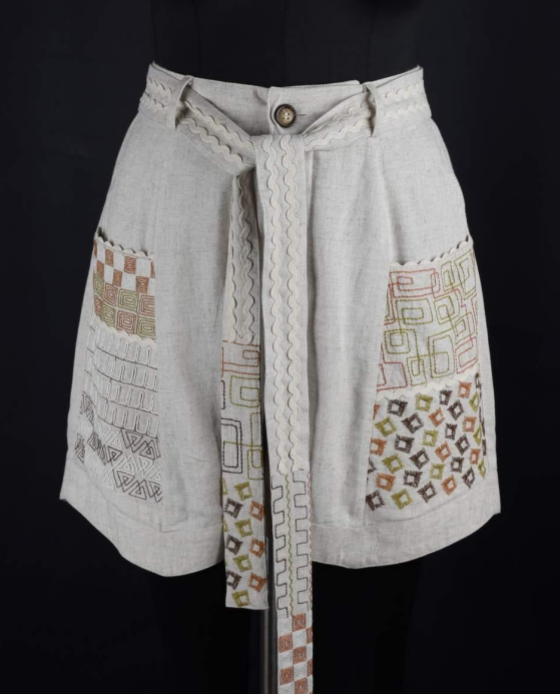
India is a land of breathtaking textile traditions, where every region boasts its own unique weaving techniques, dyeing methods, and fabric choices. From the shimmering silks of Kanchipuram to the breezy cottons of Rajasthan, Indian ethnic wear is a celebration of craftsmanship, culture, and colour. Understanding the fabrics that go into creating these timeless garments helps you appreciate not just the clothing itself, but the generations of artisans who have perfected these art forms. Whether you are a fashion enthusiast, a retailer, or someone looking to invest in quality ethnic garments, knowing your fabrics is the first step.
1. Silk – The Queen of Fabrics
Silk holds a royal status in Indian ethnic wear. Banarasi silk sarees, Kanjivaram silk sarees, Mysore silk, and Assam's Muga silk are among the most prized textiles in the world. Silk fabric offers a natural lustre, smooth texture, and excellent dye absorption, making it ideal for embroidery and zari work. It is commonly used in bridal lehengas, sarees, and sherwanis. The fabric breathes well despite its rich appearance, making it suitable for festive occasions.
2. Cotton – The Everyday Classic
Cotton is perhaps the most widely used fabric in Indian ethnic clothing. It is lightweight, breathable, and highly comfortable in India's warm climate. Cotton sarees like Chanderi, Jamdani, and Kalamkari prints are extremely popular. It is also the primary fabric used for salwar suits, kurtis, and casual ethnic wear. As a trusted clothing manufacturer India-wide, cotton forms the backbone of daily ethnic fashion for millions of women across the country.
3. Chiffon – Elegance in Lightness
Chiffon is a sheer, lightweight fabric loved for its flowy drape and graceful movement. It is extensively used in dupatta (scarves), sarees, and lehenga cholis, particularly for evening wear and semi-formal occasions. Georgette chiffon and silk chiffon are popular variants. The fabric's delicate texture gives ethnic outfits an airy, elegant appeal that is hard to replicate with heavier materials.
4. Georgette – Versatile and Graceful
Georgette is a crinkled crepe fabric with a slightly rough texture and excellent draping quality. It is used widely for sarees, anarkali suits, and dupattas. The fabric holds prints and embroideries beautifully, making it a favourite among womens garment manufacturer units across India. Georgette comes in pure silk versions as well as synthetic variants, offering options across different price points.
5. Linen – The Sustainable Choice
Linen is gaining popularity in modern Indian ethnic wear due to its eco-friendly nature and distinctive texture. It is breathable, moisture-absorbent, and becomes softer with each wash. Linen sarees and kurtas have become trendy among environmentally conscious consumers who seek both style and sustainability. The fabric's natural earthy tones complement handblock prints and traditional motifs particularly well.
6. Velvet – Royalty in Every Thread
Velvet is synonymous with luxury and regality in Indian ethnic fashion. It is predominantly used in bridal lehengas, blouses, and heavy dupattas, especially for winter weddings. The fabric's plush surface enhances zardozi and stone embellishments, giving garments an opulent, majestic look. Silk velvet and cotton velvet are both used, depending on the occasion and season.
7. Khadi – The Fabric of Freedom
Khadi holds a unique place in India's textile heritage as a handspun, handwoven fabric closely associated with the freedom movement. Today, khadi has been reimagined into contemporary ethnic wear like kurtas, sarees, and stoles. It is coarse yet comfortable, durable, and deeply rooted in the philosophy of supporting local artisans. The growing demand for artisan-made, sustainable fashion has fuelled a khadi revival across the country.
8. Brocade – Woven Art
Brocade is a richly decorative fabric woven with intricate patterns using gold or silver threads (zari). It has been a cornerstone of Indian bridal and festive wear for centuries. Varanasi brocade is particularly renowned worldwide. Brocade is used in blouses, lehengas, sherwanis, and borders of sarees. Its heavy, structured nature makes it ideal for garments designed to make a bold statement.
Conclusion
The diversity of fabrics in Indian ethnic wear is a testament to the country's rich cultural heritage and unmatched textile expertise. From the everyday comfort of cotton to the opulence of silk and velvet, each fabric tells its own story. If you are looking to source high-quality ethnic garments crafted from these fabrics, partnering with a reputable clothing manufacturer India is the key to ensuring authenticity and craftsmanship. For businesses and individuals seeking premium ethnic collections, working with a skilled womens garment manufacturer guarantees attention to detail and quality at every step. Cheer Sagar is one such trusted name in the industry, known for delivering exceptional ethnic wear that beautifully blends traditional fabrics with contemporary design sensibilities.
Frequently Asked Questions
Q1. Which fabric is best for Indian ethnic wear in summer?
Cotton, linen, and chiffon are the best choices for summer ethnic wear as they are lightweight, breathable, and keep you cool in hot weather.
Q2. What fabric is used in bridal lehengas?
Bridal lehengas are typically made from silk, velvet, brocade, or georgette. These fabrics support heavy embroidery, zari work, and embellishments, making them perfect for grand occasions.
Q3. Is khadi suitable for ethnic sarees?
Yes, khadi sarees are popular for their earthy texture and sustainable appeal. They are comfortable for daily wear and carry a traditional charm that appeals to a wide demographic.
Q4. What makes Banarasi silk different from other silks?
Banarasi silk is distinguished by its intricate zari (gold/silver thread) weaving, elaborate motifs inspired by Mughal art, and dense, heavy texture. It is a GI-tagged product, meaning only silk woven in Varanasi can carry that label.
Q5. Which fabric is most versatile for Indian ethnic wear?
Georgette and cotton are considered the most versatile fabrics. They work equally well for casual, semi-formal, and formal ethnic outfits and are popular choices among womens garment manufacturer suppliers across India.
Q6. How do I care for silk ethnic garments?
Silk garments should be dry-cleaned or hand-washed in cold water using mild detergent. Avoid wringing or direct sunlight exposure. Store them in breathable muslin cloth to maintain their lustre.
Q7. Where can I find quality ethnic wear manufacturers in India?
You can find reputable clothing manufacturer India options by exploring established textile hubs like Surat, Jaipur, Mumbai, and Varanasi.

Related Blog
5 Pointers To Remember Before Exporting Garments From India
Exporting is a long and arduous process. There are governmental guidelines to follow and considerable wait/shipping times to consider....
5 Common Myths About Export Surplus Garments Debunked
Export surplus garments get a bad rep. When it comes to retail buyers, like boutique owners, startup founders, and retail...
Recycling And Upcycling In Apparel Manufacturing: A Beginner’s Guide
The global fashion industry has embraced sustainability, with recycling and upcycling emerging as key solutions to reduce environmental impact. Recycling...