
Fashion's Second Chance: How Buying Surplus Reduces Global Textile Waste
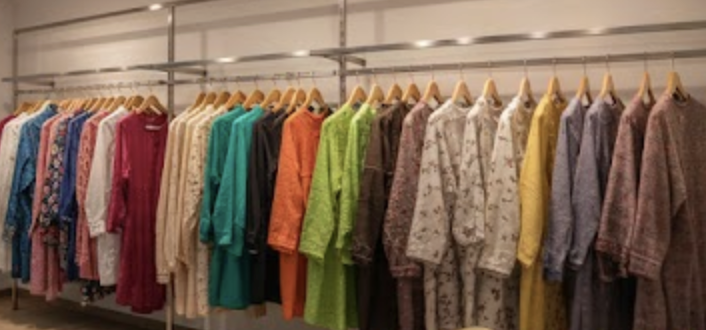
In a world increasingly grappling with environmental concerns, the fashion industry often finds itself in the spotlight for its significant ecological footprint. From water consumption to chemical pollution, the journey of a garment from design to disposal is far from benign. However, there's a growing movement offering a sustainable solution that benefits both our planet and our wallets: the world of branded surplus clothing. Buying surplus isn't just a smart business decision; it’s a powerful act that actively reduces global textile waste.
The Problem: A Mountain of Waste
Every year, millions of tons of textiles end up in landfills, contributing to a monumental waste crisis. This includes unsold inventory, minor defects, overproduced items, and even consumer discards. The fast fashion cycle, in particular, encourages rapid consumption and disposal, exacerbating the problem. Landfills overflow with clothing that can take hundreds of years to decompose, releasing harmful greenhouse gases and leachates into the environment. The resources invested in creating these garments – water, energy, dyes, and human labor – are all wasted when they are simply thrown away.
The Solution: Embracing Surplus Fashion
This is where branded surplus comes in as a true game-changer. Surplus clothing refers to brand-new, often high-quality garments that for various reasons didn't make it to traditional retail channels. This could be due to cancelled orders, slight manufacturing overruns, end-of-season stock, or items with minor imperfections that don't affect wearability. Instead of these items being destroyed – a common practice to protect brand image and prevent market saturation – they are given a second life through the wholesale surplus market.
By purchasing and reselling these items, businesses and consumers directly divert textiles from landfills. This act of repurposing existing clothing drastically reduces the demand for new production, which in turn saves immense amounts of natural resources. Imagine the water conserved by not growing new cotton, the energy saved by not spinning new fibers, and the chemicals avoided by not dyeing new fabrics – all because a perfectly good garment found a new home instead of a dump.
A Win-Win for Retailers and the Planet
For retailers, sourcing branded surplus offers an incredible opportunity to provide customers with high-quality, fashionable clothing at significantly lower prices. This allows small businesses to compete with larger chains, offering diverse and appealing inventory without the hefty overheads of traditional sourcing. For those looking for the best readymade garments in India, the surplus market presents a treasure trove of options, from everyday wear to more elaborate designs, all at accessible price points.
Furthermore, by embracing surplus, retailers become part of the circular economy, promoting sustainable consumption practices. This appeals to an increasingly eco-conscious consumer base that values both affordability and environmental responsibility. Many exporters in Jaipur and other textile hubs are now specializing in branded surplus, understanding its growing importance and positive impact on the global supply chain. They play a crucial role in preventing waste by efficiently distributing these garments to markets where they are valued.
Conclusion:
The choice to buy branded surplus is more than just a smart economic decision; it's a practical way to participate in a more sustainable fashion cycle. It's about recognizing the inherent value in every piece of clothing and ensuring it fulfills its purpose rather than ending up as waste. By opting for surplus, we collectively help reduce textile waste and make high-quality fashion more accessible.
As an experienced garment exporter, Cheer Sagar supports this transition by providing reliable access to quality branded surplus. We are committed to helping businesses source inventory responsibly, contributing our part to a more efficient and less wasteful industry. By working together, we can give fashion a second chance and make a steady, positive impact on the environment.
Related Blog
Why USA Streetwear & Athleisure Brands Choose Indian Export Houses For Custom Clothing
Streetwear and athleisure have become dominant trends in the USA fashion market, with consumers seeking comfort, style, and individuality. From...
Zero Waste Garment Manufacturing: Strategies For A Greener Industry
The fashion industry is witnessing a significant shift towards sustainability, with garment manufacturers leading the way in adopting zero-waste practices....
Guide To Importing Textiles From India For US Startups
Looking for sourcing high-quality textile products for your new business in the US? As a first-time clothing brand owner, there...